
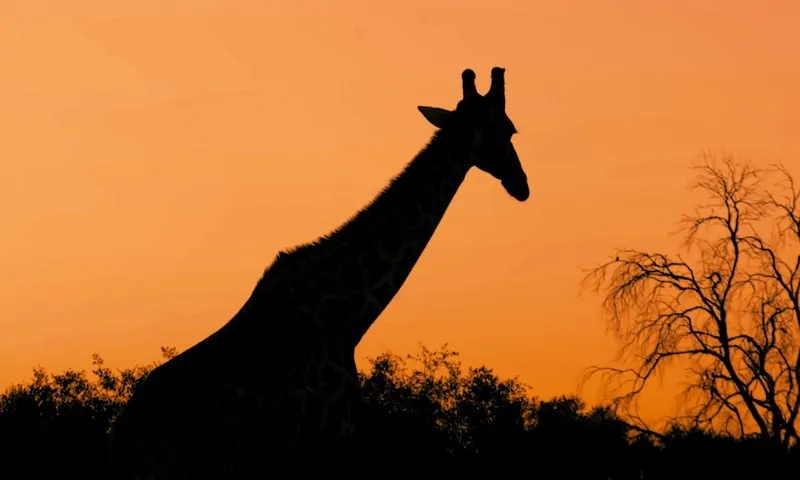
Africa remains one of the few places on earth where wildlife still shapes whole landscapes, river systems, and travel seasons. For travelers who want more than a generic safari checklist, place matters. Lions in one park behave differently from lions in another.
Elephant viewing changes depending on water, terrain, and migration routes. Gorilla trekking is a forest experience, not a savanna one. Picking the right destination can make the difference between spotting animals at a distance and feeling genuinely immersed in a living ecosystem.
A strong wildlife trip starts with matching animal, landscape, and season. Serengeti offers scale and migration. Maasai Mara excels during dramatic predator-prey action tied to the northern leg of that migration. Amboseli delivers some of Africa’s most memorable elephant viewing under Kilimanjaro.
Kruger gives range and flexibility. Bwindi brings one of the continent’s most intimate wildlife encounters, mountain gorilla trekking. Okavango and Etosha add wetland drama and desert-edge concentration.
A Quick Guide To The Best Places
Travelers comparing safaris in Africa with Sundowner Holidays will usually get the most value by narrowing the trip down by species, scenery, and season first.
Serengeti National Park, Tanzania
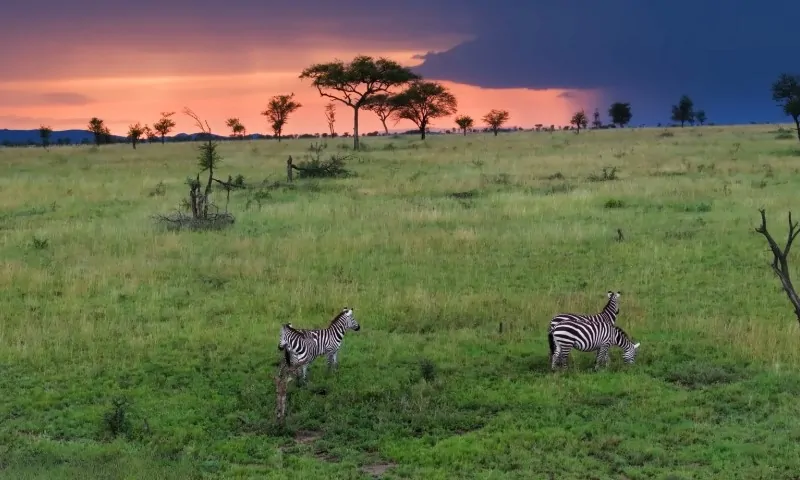
Serengeti belongs on any serious list of Africa’s iconic wildlife destinations because few places rival its scale. UNESCO describes the annual movement of wildebeest, zebras, and gazelles across Serengeti’s vast plains as one of the most impressive natural events in the world.
Tanzania National Parks also notes rich predator-prey interactions and more than 530 bird species recorded in the park.
For many travelers, wildebeest are the headline. Yet Serengeti works even when migration timing shifts. Lions, leopards, cheetahs, elephants, giraffes, hyenas, crocodiles, and large plains game populations keep the park compelling across the calendar.
A trip aimed at general safari viewing can succeed without perfect migration timing, which is important because herd movement depends on rain and grazing conditions.
What To See Here
Serengeti is strongest for travelers who want a broad, classic East African safari: open grasslands, kopjes, predators resting in shade, and large herbivore numbers spread across a huge ecosystem.
Dry-season game viewing is often easier because vegetation thins and animals gather more predictably near water. TANAPA also publishes migration updates, a useful reminder that timing should be checked close to departure rather than guessed months in advance.
Best Fit For Travelers
Pick Serengeti if your priority is scale, migration, and a high chance of seeing several flagship species in one trip.
Photographers often prefer it for landscape drama, while first-time safari travelers often appreciate how quickly the park communicates what East African wildlife country feels like.
Maasai Mara And The Northern Migration, Kenya
View this post on Instagram
Maasai Mara is closely tied to Serengeti because both form one connected ecosystem. When herds push north, the Mara becomes one of the most sought-after safari destinations in Africa, especially during river-crossing season.
Several current safari references place the most dramatic crossing period around August, with broader migration viewing often stretching across July to October depending on rainfall and herd movement.
For visitors, that often translates into busy days with frequent sightings, especially of lions, elephants, buffalo, giraffes, hyenas, and plains game. Leopards and rhinos are possible too, though never guaranteed.
Why People Choose The Mara
Travelers often choose Maasai Mara for classic safari pace and strong odds of visible action in a shorter itinerary. A 3 to 5 day stay can deliver a lot, particularly in migration months.
Private conservancies around the reserve can also offer a less crowded experience than the main reserve in peak periods.
Best Time To Go
General dry-season travel works well, but river-crossing expectations should stay realistic. Wildlife does not move on a stage schedule.
A trip in peak months improves odds, not certainty. That distinction matters, especially for travelers building a costly once-in-a-lifetime itinerary around one moment.
Amboseli National Park, Kenya
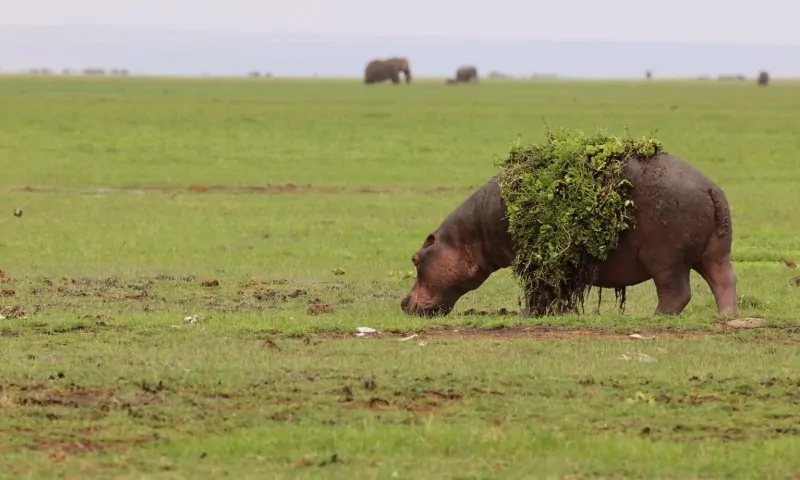
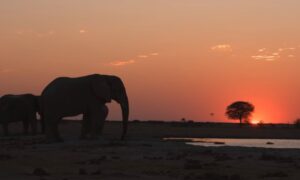
Amboseli is widely associated with elephants for good reason. Kenya Wildlife Service says the park offers large numbers of African elephants and close viewing of up to fifty herds on one safari. Few places match the visual effect of elephants walking across open plains with Kilimanjaro in the background.
Amboseli’s appeal goes beyond scenery. Open terrain makes wildlife easier to spot than in denser bush systems, and wetlands hold life even during drier periods.
KWS management material also points to a large elephant population across the broader ecosystem, reinforcing Amboseli’s long reputation as one of Africa’s premier elephant destinations.
What You Are Most Likely To Remember
Amboseli works especially well for travelers who care about animal behavior rather than simply ticking species off a list. Elephant family groups, calves, and bulls are often viewed in good light and at relatively close range.
Guides and researchers have built one of the most recognized bodies of elephant knowledge in Africa around the broader Amboseli system.
Who Should Prioritize Amboseli
Choose Amboseli if elephants are your main goal, if you want a shorter Kenya safari with a strong chance of rewarding sightings, or if photography is a priority. Morning light, marsh edges, and mountain views give the park an unusually strong visual identity.
Kruger National Park, South Africa
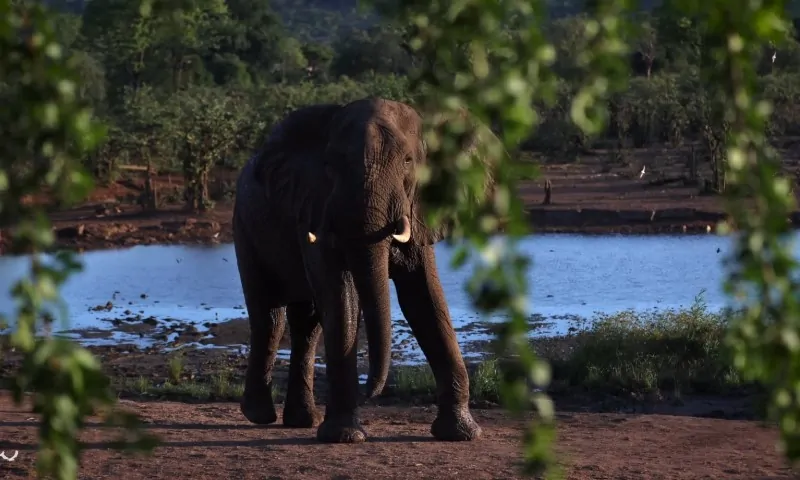
Kruger is one of Africa’s most accessible major safari parks, and that accessibility does not come at the expense of wildlife quality.
SANParks lists about 148 mammal species and 546 bird species in the park, including the classic Big Five along with cheetah, wild dog, hyena, hippo, zebra, and a long list of antelope species.
For many people, especially families and independent travelers, Kruger offers a more manageable entry point into safari travel than fly-in, luxury-heavy systems elsewhere.
Why Kruger Still Matters
Some wildlife destinations are famous for one signature species or one seasonal event. Kruger remains important because it delivers breadth. You can watch elephants at a river, scan for leopards in riverine trees, then spend an afternoon birding, all in one day.
SANParks also highlights the park’s bird diversity, including its well-known “Big 6” target birds for serious birders.
Best For
Kruger fits travelers who want variety, road-trip structure, and the chance to build a safari around budget and time rather than one rigid lodge circuit. It also suits repeat visitors who enjoy comparing habitats and returning to favorite areas over multiple days.
Bwindi Impenetrable National Park, Uganda
Few wildlife experiences in Africa feel as immediate as mountain gorilla trekking in Bwindi.
Uganda Wildlife Authority describes Uganda as home to more than half of the world’s mountain gorillas, and its gorilla-tracking program remains one of the continent’s most closely regulated wildlife experiences. UWA also notes around 27 habituated gorilla families visited by tourists.
Bwindi is famous for gorillas, but the park is richer than many first-time visitors realize. UWA describes a landscape of steep ridges and valleys supporting 120 mammal species and more than 350 bird species, including Albertine Rift endemics.
So even a gorilla-focused trip happens inside a highly biodiverse montane forest, not a single-animal theme park.
What Gorilla Trekking Is Actually Like
A gorilla trek begins with briefing, group assignment, and rules meant to protect both visitors and gorillas. UWA’s management guidelines cover reservations, visitor conduct, and health-related safeguards.
Hikes vary sharply by family location and can be physically demanding, especially on muddy slopes. A permit grants a controlled visit, usually about one hour once a group is reached.
Cost And Planning
Bwindi is a high-value wildlife experience, but not a cheap one. Uganda’s current tariff material separates gorilla tracking from ordinary park entry, reflecting how tightly managed the activity is. Permits should be secured well in advance, especially in drier months when demand is strongest.
Okavango Delta, Botswana
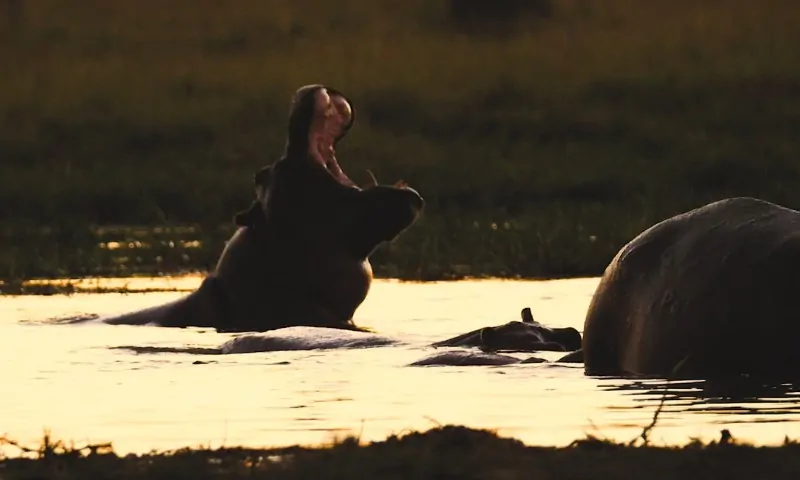
Okavango offers a different kind of wildlife viewing. Instead of wide plains dominated by vehicle tracks, much of the experience revolves around channels, floodplains, islands, and seasonal water.
UNESCO calls the delta home to threatened large mammals such as cheetah, white rhinoceros, black rhinoceros, African wild dog, and lion. Botswana Tourism also lists elephant, buffalo, giraffe, zebra, hippo, crocodile, antelope, big cats, and a huge range of birds.
What separates Okavango from other safari destinations is mood as much as species. A mokoro ride past reeds and birdlife creates a slower, more observant rhythm.
Predators are part of the story, but so are lechwe in floodplains, hippos grunting in channels, and the quiet shift between open water and dry island habitat.
Why Wildlife Watching Feels Different Here
In many parks, roads define the experience. In Okavango, water defines it. Seasonal flooding transforms habitat and draws wildlife into patterns that can look entirely different from dry-country parks.
For travelers who have already done one classic game-drive safari, Okavango often feels like the logical next step because the ecosystem changes how you move, listen, and look.
Best For
Pick Okavango for a mixed safari, part vehicle-based, part water-based, with strong birding and a sense of remoteness. It suits travelers willing to spend more for a quieter, more exclusive style of wildlife travel.
Etosha National Park, Namibia
View this post on Instagram
Etosha offers one of Africa’s clearest examples of how water shapes wildlife viewing. Namibia’s environment ministry says the park holds 114 large and small mammal species and more than 400 recorded bird species.
Namibia Wildlife Resorts highlights elephant, black and white rhino, lion, leopard, cheetah, springbok, zebra, and other iconic species.
Dry-country safari has a different rhythm from East Africa’s migration systems. In Etosha, waterholes become focal points. Instead of chasing moving herds across an enormous ecosystem, visitors often wait and watch for animals to come to drink.
That can make viewing feel calmer and, at times, remarkably intimate. Rhino sightings, especially around certain waterholes and camps, are a major draw.
Why Etosha Deserves More Attention
Etosha tends to be slightly less romanticized in mainstream safari conversations than Serengeti or the Mara, yet it offers excellent visibility, a starkly beautiful landscape, and strong self-drive potential.
For travelers who enjoy scanning open country and reading animal movement around water, few places are more satisfying.
A Special Wildlife Stop, African Penguins At Boulders Beach
Savanna mammals dominate most African wildlife wish lists, yet African penguins deserve a place in any broader conversation about iconic species. SANParks says Boulders in Table Mountain National Park hosts a unique endangered land-based colony of African penguins and is one of only a few such colonies in the world.
Boulders is not a replacement for safari country, but it makes an excellent add-on for travelers ending in Cape Town. It also offers a useful reminder that Africa’s iconic wildlife story includes seabirds and coastal conservation, not only large mammals.
Summary
Africa’s most iconic wildlife is not concentrated in one perfect park. It is spread across grasslands, forests, deltas, deserts, and coasts, each with its own rhythm. Pick the place that matches the animal, season, and style of travel you care about most, and the trip will usually feel far richer than a generic safari built around brand-name destinations alone.