
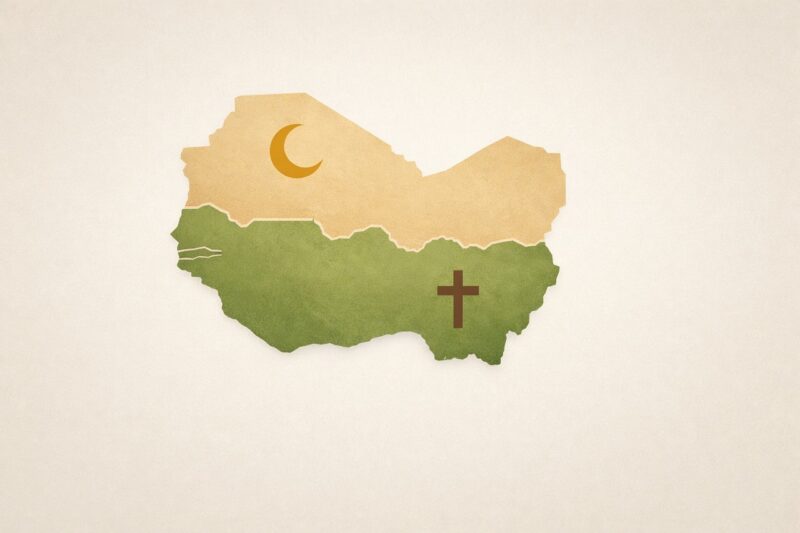
Islam and Christianity have played major roles in shaping religious life, social organization, and political authority across West Africa. Both faiths originated outside the region and arrived through sustained contact with wider networks of trade, learning, and power.
Over time, local societies engaged actively with these religions, adapting beliefs and practices to fit existing cultural frameworks.
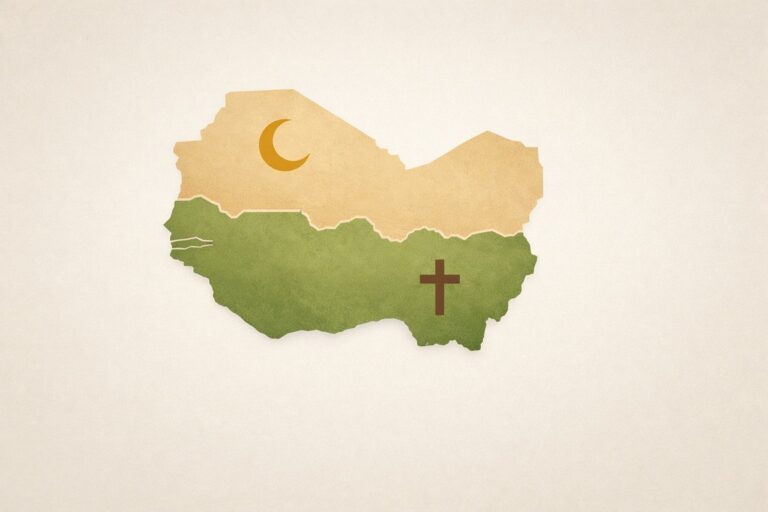
Patterns of religious spread differed significantly between Islam and Christianity. Islam moved southward over centuries through commerce, diplomacy, and scholarship, gaining influence gradually within the elite and urban communities.
Christianity entered West Africa in earlier centuries but expanded most widely during European maritime contact and colonial rule, often accompanied by missionary institutions.
Distinct methods of transmission shaped how each religion took root, interacted with local traditions, and became embedded within West African societies.
Spread of Islam in West Africa
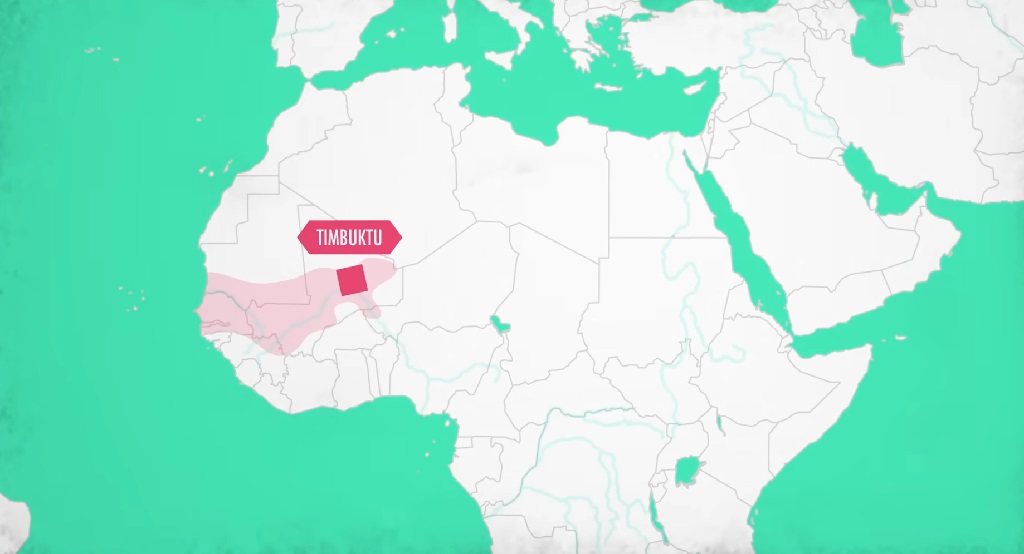
Islamic presence in West Africa developed over several centuries through sustained contact with North Africa. Initial contact followed the expansion of Islam across North Africa during the seventh century, occurring after the death of the Prophet Muhammad.
Commercial exchange connected Saharan and Sahelian societies with Islamic centers to the north, creating long-term channels for religious transmission. Adoption progressed slowly and relied heavily on social relationships rather than coercion.
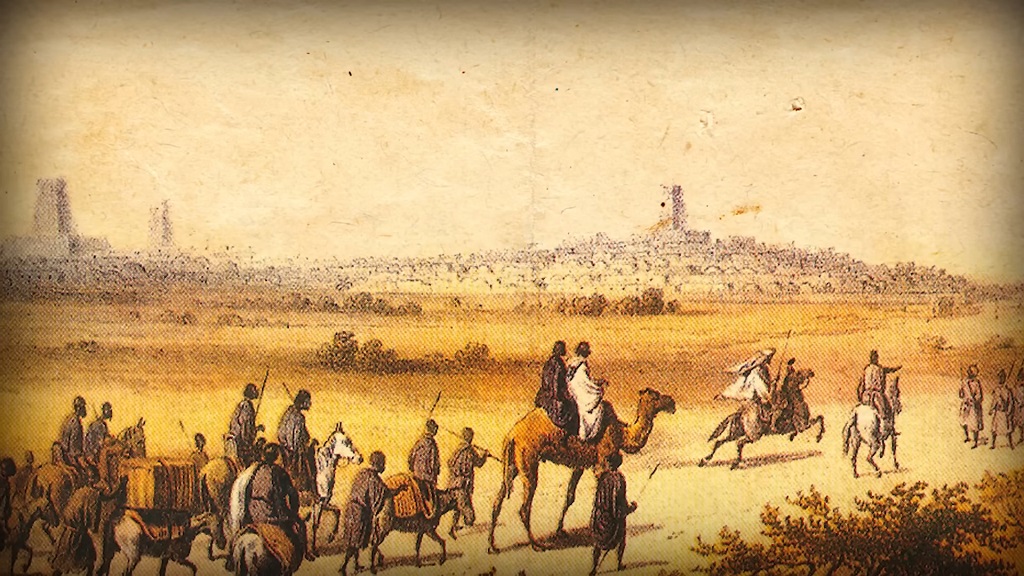
Movement southward relied on Trans-Saharan trade networks that linked markets and learning centers. Cities such as Timbuktu and Gao served as meeting points for merchants, scholars, and political leaders.
Early conversion patterns reflected social hierarchy, with rulers and urban elites leading adoption due to administrative and diplomatic advantages associated with Islamic affiliation.
Mechanisms of Islamization
Several interacting processes explain how Islam took root and expanded across West African societies. Religious change occurred through daily interaction, economic cooperation, and political choice rather than mass conversion campaigns.
Trade and Merchant Influence
Commercial exchange played a central role in spreading Islamic beliefs and practices. Muslim traders operated across vast distances and maintained regular contact with local populations.
Religious transmission occurred through trust-based relationships tied to trade and social exchange. Commercial towns developed reputations as centers of Islamic practice and learning.
Specific elements associated with trade strengthened adoption among elites and merchants:
- Exchange of gold, salt, and textiles alongside religious customs
- Introduction of Arabic writing for contracts and correspondence
- Use of Islamic law to regulate commerce and resolve disputes
Literacy and written record-keeping offered practical benefits that reinforced conversion among political and economic leaders.
Phases of Spread
Islamization unfolded in identifiable stages that reflected changing social and political conditions. Early phases involved limited adoption, followed by gradual integration and later reform movements.
Containment described an initial stage where Islam remained restricted to merchants and ruling elites. Religious practice occurred alongside indigenous beliefs without replacing them.
Mixing followed as rulers practiced Islam publicly while continuing traditional rituals privately, creating syncretic systems accepted by local communities.
Reform emerged later as movements sought stricter adherence to Islamic law, often challenging established authorities.
Key reform developments included:
- Fulani-led jihads during the eighteenth and nineteenth centuries
- Formation of Islamic states such as the Sokoto Caliphate
- Expansion of Islamic courts and religious leadership
Reform efforts reshaped political authority and religious practice across wide areas.
Political Endorsement
Royal patronage accelerated Islamization by legitimizing religious authority. Support by rulers encouraged wider participation and institutional growth.
Mansa Musa of Mali played a major role during the fourteenth century through pilgrimage, mosque construction, and the sponsorship of scholars.
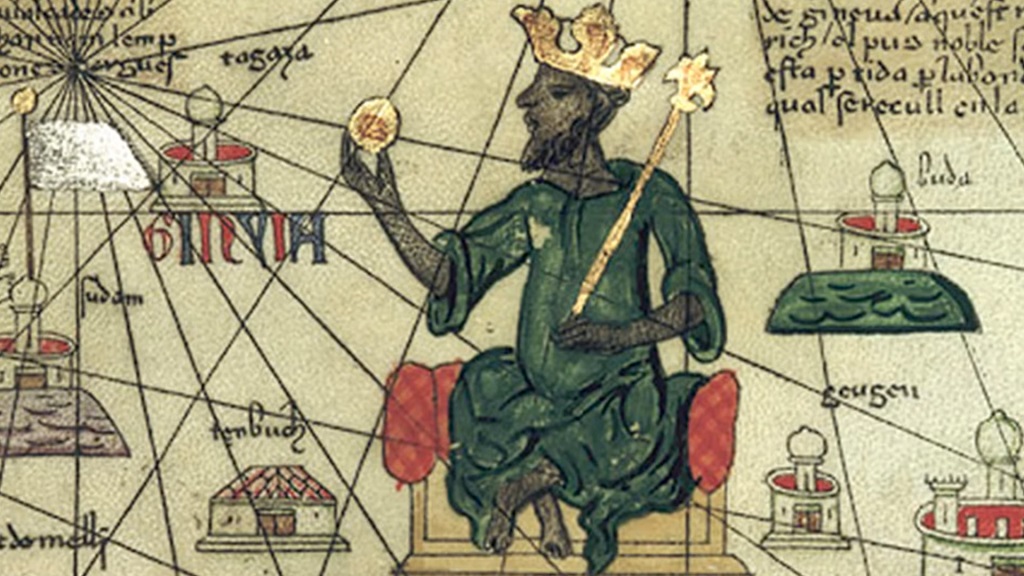
Public displays of piety strengthened Islamic credibility across the empire. State formation reinforced religious integration through administrative systems:
- Adoption of Islamic titles and court customs
- Use of scholars as advisors and judges
- Integration of Islamic law into governance
Empires such as Mali and Songhai embedded Islam into political life without fully displacing indigenous traditions.
Education and Cultural Influence
Education served as a lasting foundation for Islamic continuity. Qur’anic schools expanded literacy and religious instruction across urban and rural areas.
Arabic functioned as a scholarly and legal language, linking West Africa with wider Islamic intellectual networks. Timbuktu emerged as a major center of learning, attracting students and scholars across the Sahel.
Judicial systems increasingly reflected Islamic jurisprudence. Legal principles guided conflict resolution, inheritance, and contracts. Religious scholarship gained social authority, reinforcing Islam as a central element of public life.
Spread of Christianity in West Africa
Christian influence in Africa predated Islam and had deep roots in the northern part of the continent. Entry occurred during the first century CE through Roman trade routes and Mediterranean connections.
Urban centers such as Alexandria and Carthage supported early Christian communities and theological scholarship. Figures like St. Augustine shaped Christian thought within African contexts.
State adoption marked a major milestone when Ethiopia embraced Christianity during the fourth century under King Ezana.
That early foundation did not extend widely into West Africa at the time, leading to later reintroduction through European contact.
Reintroduction to Sub-Saharan and West Africa
Christian expansion into West Africa occurred in distinct phases tied to maritime exploration and colonial rule. Coastal contact preceded inland missionary activity and shaped early patterns of conversion.
Portuguese and Early Catholic Influence
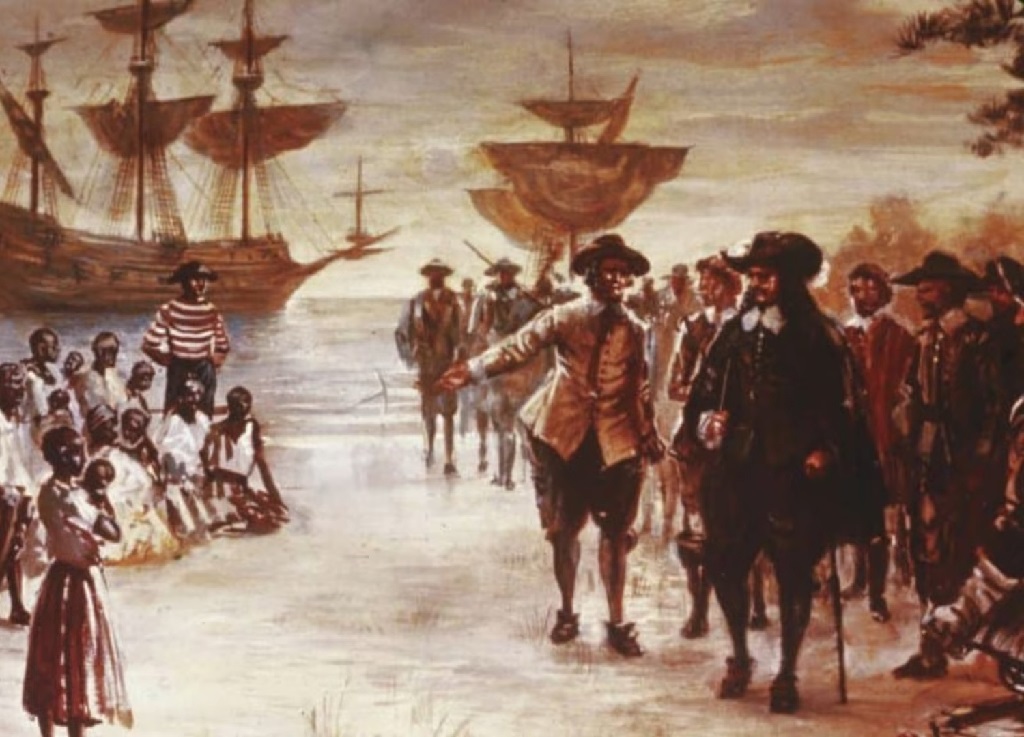
Portuguese sailors and missionaries introduced Christianity along the West African coast during the fifteenth century. Religious instruction accompanied trade and diplomacy.
Several coastal kingdoms engaged actively with missionaries and adapted Christian practices to local governance.
Notable developments during this phase included:
- Conversion of rulers within the Kingdom of Kongo
- Integration of Catholic rituals with local customs
- Establishment of early churches and schools
Christianity functioned as both a spiritual system and a diplomatic tool during this period.
Colonial Missionary Expansion
Nineteenth- and twentieth-century European colonization transformed Christian presence across West Africa.
Missionary organizations expanded rapidly and worked closely with colonial administrations. Religious institutions became linked with social services and formal education.
Missionary activity focused on institutional development:
- Construction of churches, schools, and hospitals
- Promotion of literacy through European languages
- Training of local clergy and teachers
Access to education and healthcare encouraged conversion, especially among younger generations.
Indigenous Engagement and Adaptation
African communities responded to Christianity in varied ways. Adoption sometimes reflected practical goals tied to schooling and international mobility. Resistance occurred where religious practice threatened social authority or cultural continuity.
Negotiation between missionaries and communities shaped localized forms of worship and leadership.
Modern Adaptations
Independent churches emerged as African Christians sought greater control over religious expression. These movements combined Christian theology with indigenous leadership structures and ritual practices. Worship styles emphasized healing, prophecy, and communal participation.
Contemporary Christianity across Africa includes multiple traditions shaped by local history:
- Pentecostal and Evangelical movements
- Catholic and Orthodox institutions
- Independent churches rooted in local authority
Religious practice continues to adapt within changing social conditions.
Comparative Factors in Religious Spread
Comparison of Islam and Christianity in West Africa shows clear differences in how each faith entered and expanded within societies.
Modes of transmission shaped both the pace of conversion and the depth of social integration. Islam spread over long periods through sustained interpersonal contact, while Christianity expanded more quickly during eras of European dominance.
Patterns of transmission differed in several important ways, which can be seen through specific mechanisms tied to each faith:
- Islam relied on trade networks, scholarly exchange, and diplomatic relationships
- Christianity depended largely on organized missions supported by colonial authorities
- Islamic expansion encouraged gradual religious layering within societies
- Christian expansion often introduced institutional change alongside political restructuring
Gradual diffusion allowed Islamic practice to coexist with earlier beliefs for extended periods. Rapid missionary expansion introduced Christian institutions that reshaped education, governance, and social norms within shorter time frames.
Role of Local Elites
Elite involvement played a decisive role in legitimizing religious change. Political leaders, merchants, and educated figures influenced public perception and participation. Conversion among powerful groups often signaled social approval and encouraged broader acceptance within communities.
Rulers used religion to strengthen authority and international connections. Merchant elites valued religious systems that supported literacy and legal order. Educated classes promoted religious instruction through schools and courts.
Adoption at higher social levels frequently shaped conversion patterns across wider populations.
Elite influence operated through visible actions that reinforced religious presence:
- Sponsorship of religious institutions and clergy
- Public participation in rituals and worship
- Integration of religious law into governance
Such actions normalized religious practice and embedded belief systems into everyday social life.
Cultural Syncretism
Cultural continuity shaped how both religions were practiced across West Africa. Local societies adapted incoming beliefs to existing moral systems, rituals, and social structures. Religious change occurred through negotiation rather than replacement.
Islamic practice incorporated local customs related to leadership, spirituality, and community organization. Christian worship adopted local music, language, and communal expressions.
Religious identity reflected continuity alongside transformation rather than complete cultural rupture.
Syncretic practices appeared in several forms across communities:
- Retention of indigenous rituals alongside formal religious observance
- Use of local languages in prayer and instruction
- Integration of ancestral respect within new belief systems
Such adaptation ensured long-term sustainability by aligning faith with established social values.
Summary
Islam and Christianity spread across West Africa through distinct historical processes shaped by trade, politics, and social interaction.
Islam expanded gradually through commercial exchange, scholarship, and diplomatic ties, allowing belief systems to integrate steadily within existing communities.
Christianity entered later and advanced rapidly through missionary efforts linked to European rule, reshaping religious practice through education and institutional structures.
The local agency played a central role in shaping both religions. Rulers, merchants, and scholars guided adoption and reinforced legitimacy, while communities adapted teachings to established customs and social values.
Religious change reflected negotiation rather than replacement, resulting in practices rooted in local tradition.