

Smartphones have become the main screen for entertainment across much of West Africa. Music discovery, film watching, comedy skits, gaming, sports banter, creator fandom, and live event promotion now often begin on a phone before moving anywhere else.
Nigeria, Ghana, Senegal, Côte d’Ivoire, and nearby markets are not moving through the old entertainment ladder of radio first, cinema next, cable later, then streaming. Many consumers moved straight into mobile-first media, shaped by prepaid data, social platforms, creator pages, WhatsApp sharing, short video, and mobile payments.
Recent data explains why. DataReportal’s 2026 reports counted 109 million internet users in Nigeria, 26.3 million in Ghana, and 11.5 million in Senegal at the end of 2025. Ghana and Senegal also had mobile connections above total population size, a sign of multi-SIM habits and heavy reliance on mobile access.
The Phone Has Become The Default Entertainment Hub
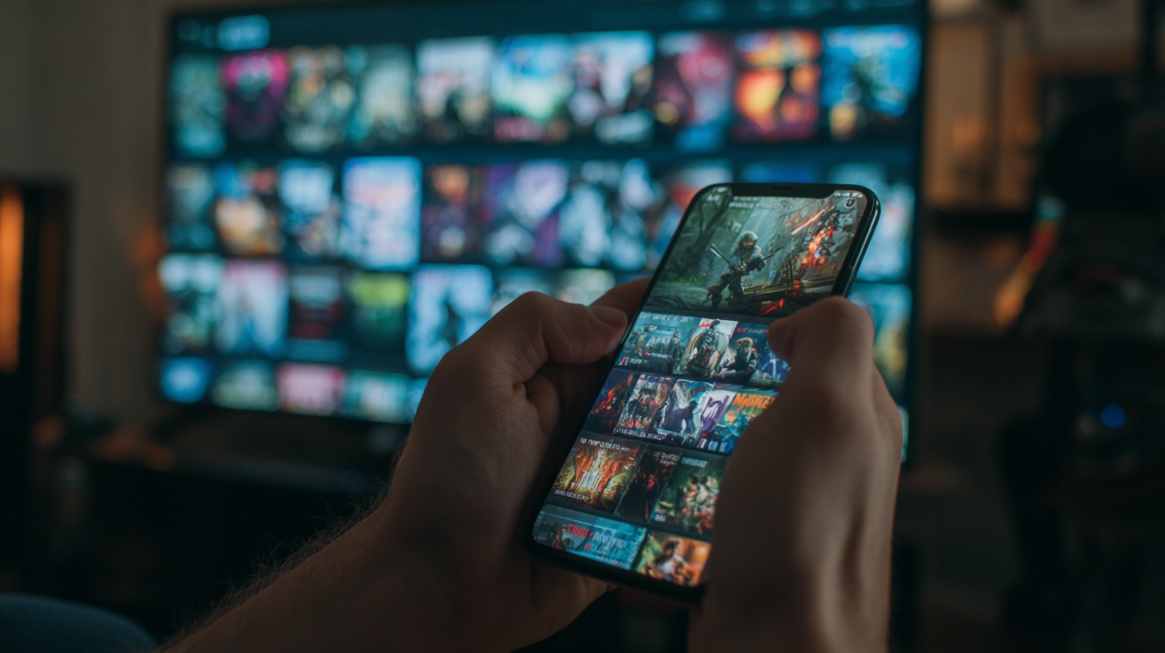
For many West African users, a smartphone is a cinema, radio, music library, comedy club, newsstand, game console, ticket window, and fan forum. One device handles discovery, viewing, payment, sharing, and argument.
A new song may break through TikTok before radio programmers react. A Nollywood film may find its audience on YouTube after limited cinema exposure.
A Ghanaian comedian can build a fan base through Instagram Reels and YouTube Shorts without waiting for television slots. A Senegalese music fan can follow mbalax clips, football debates, and French-language commentary through the same mobile feed.
Nigeria shows the scale of the change. DataReportal reported 47.8 million adult TikTok users in Nigeria in late 2025, with TikTok ad reach equal to 44% of the local internet user base. YouTube had 30.5 million users in Nigeria, while Facebook reached 38 million.
Ghana’s numbers are smaller but still revealing. YouTube had 8.59 million users in Ghana in late 2025, equal to 32.7% of the country’s internet user base, while Facebook reached 8.4 million users.
Mobile Data Is Shaping What Gets Made
Entertainment made for phones has different rules. A song intro needs to catch quickly. A video joke must land before the viewer scrolls away.
Film trailers, podcast clips, dance challenges, behind-the-scenes footage, and football reactions all compete inside the same feed.
Creators now think in formats:
| Format | Why It Works On Smartphones | Entertainment Impact |
|---|---|---|
| Short video | Fast, shareable, low data compared with long streams | Boosts music, comedy, dance, fashion, and commentary |
| Vertical clips | Fits phone screens without extra effort | Changes how scenes, skits, and ads are framed |
| Livestreams | Direct fan interaction | Helps artists, gamers, and hosts build loyal communities |
| Voice notes and WhatsApp clips | Easy to forward in groups | Speeds up jokes, gossip, music snippets, and local news |
| Mobile games | Lower barrier than console or PC gaming | Brings casual entertainment to wider youth audiences |
Phone culture has also made entertainment more conversational. People no longer only watch a video. They remix it, duet it, quote it, meme it, stitch it, criticize it, and push it into group chats.
Music Discovery Now Runs Through Feeds

Afrobeats gives the clearest example of smartphone-driven entertainment. Lagos remains a major creative engine, but the path from studio to listener has changed.
A hook can travel through TikTok dances, Instagram clips, WhatsApp statuses, YouTube lyric videos, Spotify playlists, and DJ edits before traditional media fully catches up.
Reuters reported that Nigerian artists received over 58 billion naira, about $38 million, in Spotify royalties in 2024, more than double the previous year’s figure. Spotify also said around 250 million user-created playlists included at least one Nigerian artist.
Across Sub-Saharan Africa, recorded music revenue rose 15.2% in 2025 to $120 million, according to IFPI figures reported by Music In Africa. The same report linked growth to licensed streaming, global interest in African artists, and record company investment.
West African music still lives in clubs, concerts, radio, church events, street parties, and family gatherings. Yet smartphone discovery now decides which chorus becomes unavoidable, which dance spreads, and which artist gets attention beyond a local scene.
Nollywood And Video Creators Are Moving Closer To The Audience
Nollywood has always been adaptive. The industry moved from VHS to VCDs, DVDs, satellite television, streaming platforms, and now a phone-led mix of YouTube, social clips, and subscription services.
UNESCO described Nigeria’s film industry as one of Africa’s most prolific, producing around 2,500 films a year. It also noted that global streaming platforms encouraged better-funded and more diverse projects, especially around Lagos.
Yet phone culture has pushed another shift. Many viewers watch trailers, full films, recaps, skits, interviews, and reaction videos on mobile screens. Some filmmakers now build releases around YouTube because it reaches viewers who may not pay for cinema tickets or premium subscriptions.
The Guardian reported in 2025 that Nigerian filmmakers were increasingly turning to YouTube as some global streamers scaled back African operations. One cited example, Omoni Oboli’s “Love in Every Word,” drew more than 5 million views in 3 days.
For audiences, mobile video lowers friction. For creators, it gives direct access. For the industry, it raises difficult questions about monetization, copyright, budgets, and long-term quality.
Comedy, Influencers, And Everyday Performance Are Now Mainstream Entertainment

West Africa’s smartphone culture has turned ordinary spaces into production sets. Kitchens, streets, salons, university hostels, taxis, church compounds, markets, and offices often become backdrops for viral skits.
Nigerian skit makers such as Broda Shaggi, Taooma, Sabinus, Kiekie, and many younger creators helped make short-form comedy a serious entertainment category.
Ghana has a strong creator scene around music commentary, relationship humor, football, fashion, and lifestyle. Francophone West Africa has its own mobile-first humor ecosystem, often moving across TikTok, Facebook, and WhatsApp.
The creator model suits smartphone culture because it rewards speed, consistency, recognisable characters, and audience feedback. A creator can test a joke today, read comments tonight, and adjust tomorrow’s sketch.
Revenue remains uneven. A Guardian report from March 2026 described Nigeria’s creator economy as booming but financially difficult for many creators, citing weak monetization, high internet costs, erratic power, and limited ad revenue.
Gaming Is Becoming Casual, Social, And Mobile
Gaming in West Africa no longer means only consoles, game cafés, or expensive PCs. Mobile games have brought play into buses, lunch breaks, dorm rooms, betting shops, homes, and WhatsApp groups.
The same phone-first pattern can be seen in platforms like Spinplus, where game discovery, account access, and short play sessions are designed around mobile users.
Carry1st reported that Africa had 349 million gamers in 2024, up by 32 million from 2023. Mobile gamers accounted for 304 million players, while mobile games generated about $1.6 billion of the continent’s $1.8 billion gaming market.
The pattern matters for entertainment companies. Young users who may not buy a console can still play football games, puzzle apps, battle games, trivia, card games, fantasy products, and esports-style tournaments on phones.
Gaming also overlaps with fintech. Airtime billing, mobile wallets, instant payouts, in-app purchases, and prepaid data bundles shape whether players return. For West African platforms, smooth payment design can matter as much as graphics.
Telecom Costs Still Decide Who Participates
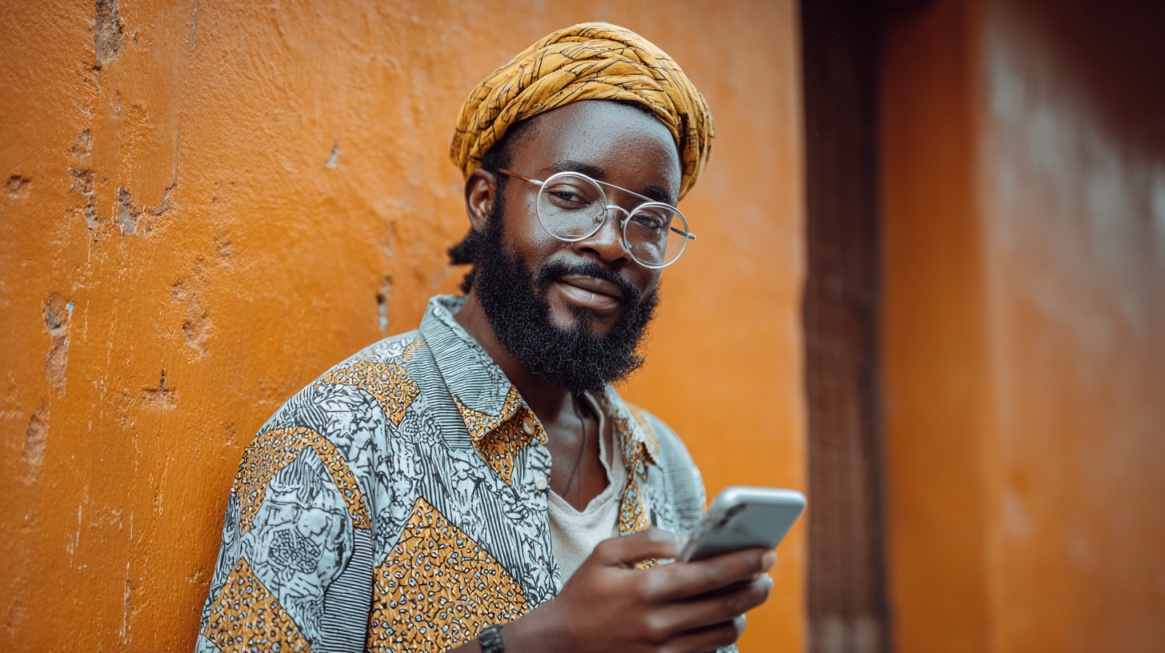
Smartphone culture is powerful, yet access remains unequal. GSMA Intelligence reported that Africa’s coverage gap fell from 41% in 2015 to 9% in 2024, but the usage gap reached 64% in 2024.
In plain terms, many people live near mobile broadband coverage but still do not use mobile internet. Affordability and smartphone access remain major barriers.
- Who can stream a full film
- Who depends on short clips or downloads
- Who pays for music subscriptions
- Who plays online games
- Who can upload creator content often
- Who can join livestreams or online fan communities
A creator in Lagos with steady power, newer phones, and regular data has a different media life from a rural teenager sharing a low-end Android phone. Smartphone culture is growing, but the experience is uneven.
Brands And Broadcasters Are Following The Audience
Advertising money is also moving toward phones. PwC’s Africa Entertainment and Media Outlook 2025 to 2029 said Nigeria remains Africa’s fastest-growing entertainment and media market, helped by internet advertising, video games and esports, over-the-top streaming, and digital audio.
PwC also pointed to mobile internet and video streaming as major growth drivers, aided by cheaper data plans and smartphone penetration.
Broadcasters now cut television moments into social clips. Musicians package hooks for short video. Sports shows invite live comments. Radio stations stream on Facebook and YouTube. Event organizers sell concerts through Instagram pages, influencer posts, and WhatsApp broadcasts.
Entertainment marketing has become less linear. A campaign may begin with a teaser clip, move into creator partnerships, spread through memes, and end in ticket sales, streams, or merchandise.
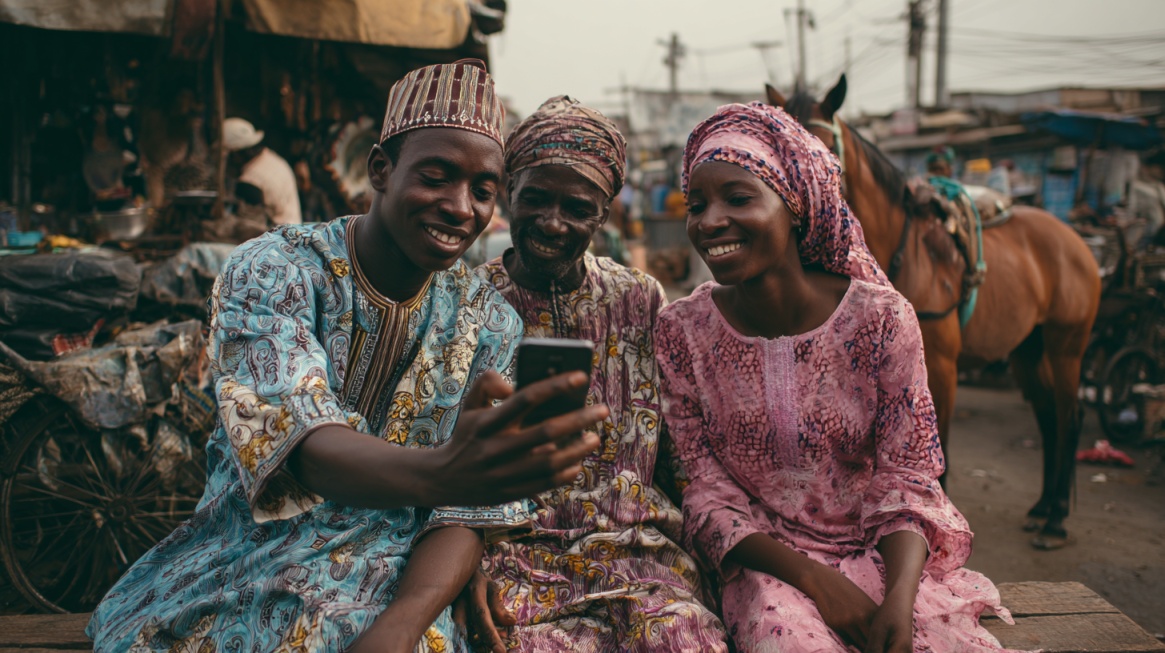
What Smartphone Culture Means For West African Entertainment
The phone has changed entertainment in 5 big ways.
- First, discovery has become faster. New songs, skits, films, and personalities can move from local attention to regional visibility in days.
- Second, audiences have more influence. Comments, shares, duets, stitches, and watch time now shape creative decisions.
- Third, formats are shorter and more visual. Even long-form creators need strong clips to bring viewers in.
- Fourth, monetization is more fragmented. Artists, filmmakers, and creators may earn from streaming, brand deals, events, tips, subscriptions, YouTube ads, licensing, and platform partnerships.
- Fifth, access remains unequal. Data cost, device quality, power supply, payment options, and language still shape who benefits.
Summary
Smartphone culture is changing entertainment in West Africa by moving power closer to the audience. Music, film, comedy, gaming, sports commentary, and creator culture now travel through mobile screens first.
The opportunity is large, but uneven. Better devices, cheaper data, stronger copyright systems, fairer platform payments, and local investment will decide whether mobile attention becomes lasting creative income.