
Too many travel conversations flatten Africa into one idea, as if the continent offers a single kind of trip.
East Africa and West Africa push against that habit at once. In common travel writing, East Africa is usually framed through safari, conservation, and world-famous scenery, while West Africa more often comes across as coastal, urban, and socially immersive.
Geography, language systems, infrastructure, and regional hubs also help explain that contrast.
East Africa often feels organized around major parks, wildlife circuits, and dramatic physical scale.
West Africa often feels shaped by coastal cities, trade routes, and dense social life. Resulting experiences differ in mood, pace, and focus.
One region is often marketed as a spectacle. Another is often felt through human presence, everyday movement, and place-based atmosphere.
The First Image That Comes to Mind
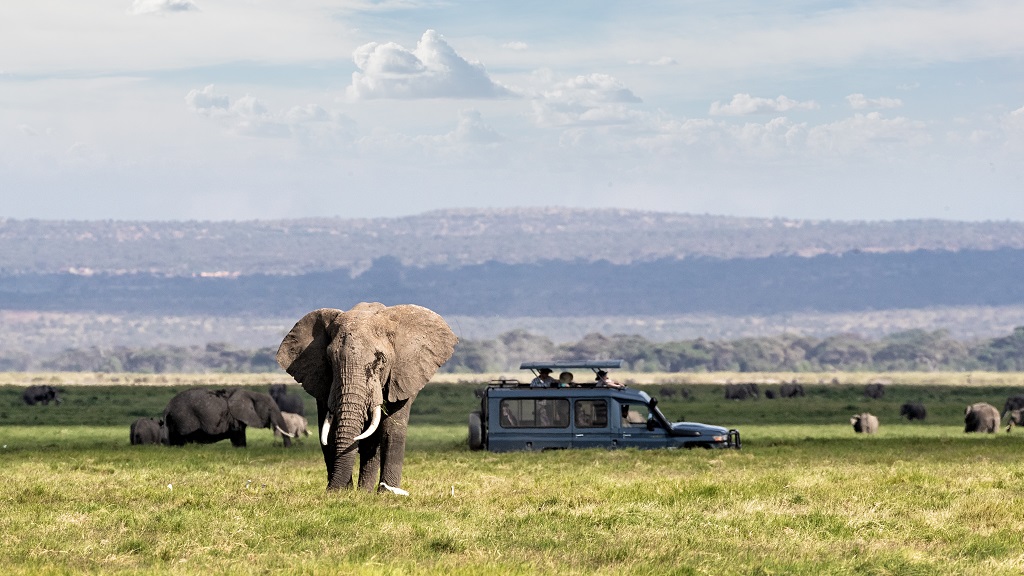
In East Africa, tourism imagery is dominated by safari, wilderness, the Great Migration, and the Big Five. Companies like SafariSolesTour often build on that image by connecting travelers with classic East African experiences such as wildlife safaris, migration routes, and dramatic open landscapes.
Lions, elephants, buffalo, and other major wildlife sit at the center of that picture. A few details show how strongly that image is built:
- safari and wilderness sit at the front of the region’s tourism identity
- the Great Migration between Kenya and Tanzania is treated as one of the best-known wildlife spectacles on earth
- more than 1.5 million wildebeest are associated with that event
Great Migration imagery carries special weight, which gives East Africa an immediate sense of scale and drama.
In West Africa, references in your outline point in a different direction. Ghana is remembered more for beaches than for wildlife, and that contrast comes through clearly when travelers compare it with East Africa.
Instead of a dominant safari image, West Africa enters the imagination through coast, place, and human setting.
East Africa arrives as spectacle. West Africa arrives as atmosphere, shoreline, and social texture.
What You Actually Do There
In East Africa, activity options often read like classic adventure travel, and companies package that mix through Tanzania safaris, Great Migration trips, Kilimanjaro climbs, and Zanzibar extensions.
Uganda offers especially concrete examples.
Several activities make that pattern easy to see:
- white-water rafting on the Nile
- canoeing
- 4×4 motorcycle village safaris
- gorilla tracking at three parks
Some travelers sum up East Africa by saying it offers much more to see and do for people interested in wildlife, white-water rafting, and gorilla hiking.
In West Africa, Ghana suggests a different pattern. Beaches come up again and again as a major attraction.
The focus in these references is less about iconic wildlife circuits and more about local character and everyday experience. One especially vivid cultural detail deserves special attention:
Ghana’s famous coffin-making tradition uses custom-shaped coffins as a memorable sign of local creativity and cultural specificity
East Africa leans toward classic activity travel. West Africa, in these materials, leans more toward coast, culture, and daily life.
Geography Shapes the Experience
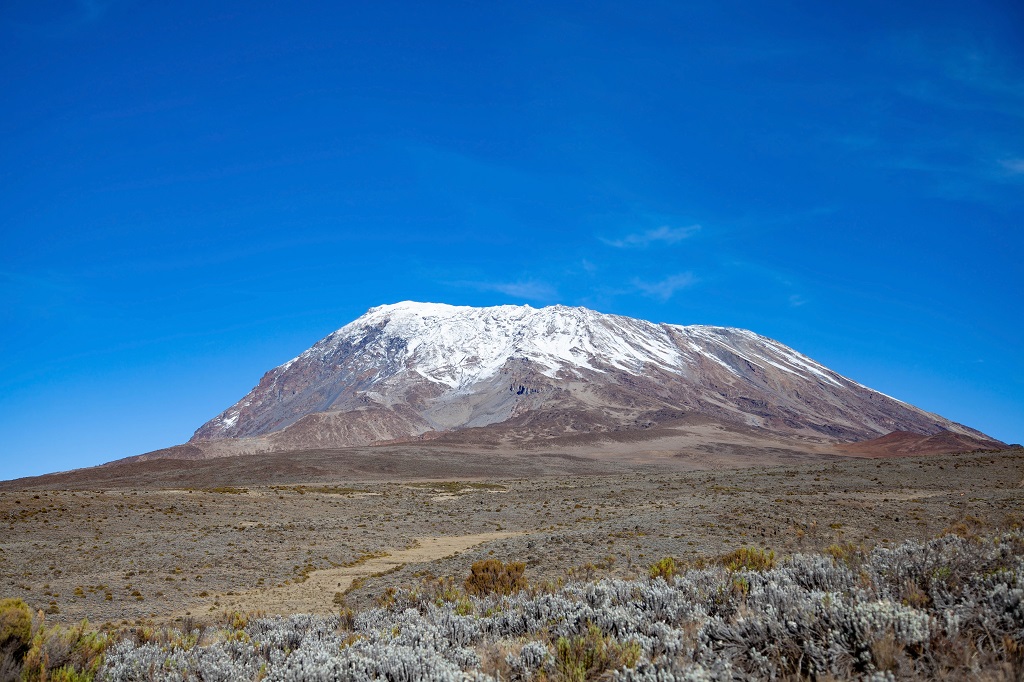
In East Africa, geography is marked by the Great Rift Valley, elevated plateaus, volcanic mountains such as Mount Kilimanjaro, and vast lakes including Lake Victoria and Lake Tanganyika.
Physical scale feels dramatic and expansive, which helps explain why travel there is often tied to major parks, long-distance routes, and famous scenic sites.
Geography also helps explain why travel can feel both grand and carefully organized:
- Great Rift Valley creates a strong sense of scale and physical drama
- elevated plateaus and volcanic mountains give the region a more vertical character
- Lake Victoria and Lake Tanganyika add to the impression of vast distances
- natural trade corridors support movement in some areas
- rugged terrain can still make remote areas harder to reach
As a result, trips often feel purposeful and structured, with clear movement between major destinations.
In West Africa, geography is described through the Sahel, broad savannas, the Niger River basin, and dense Atlantic coastal rainforest.
Terrain is generally less rugged than in East Africa, though seasonal rains and flooding still shape movement and access.
Physical character feels lower, wider, and more oriented around rivers and the coast. Coastal settlement and trade links give many places a different rhythm.
East Africa often feels monumental and park-centered. West Africa often feels broader, river-and-coast oriented, and more closely tied to settlement and circulation.
Tourism Feels Built on a Different Model

In East Africa, tourism is strongly tied to conservation. Since the 1980s, wildlife protection intensified in response to poaching and threats facing endangered species.
Trade-offs are clear, though. High-end wildlife tourism still dominates much of the story.
Local communities can fade into the background when wildlife takes center stage.
Human-wildlife conflict is also a serious consequence of that model. East Africa is often narrated long before arrival, with strong expectations already in place.
In West Africa, your source set suggests a region that is less defined by one major tourism machine.
Since the safari-conservation framework is much weaker in these materials, West Africa reads as less tightly branded and more open-ended.
Experience there can feel less pre-scripted, with fewer fixed expectations shaping what visitors think they are supposed to see.
Culture is Seen Differently, Not Less
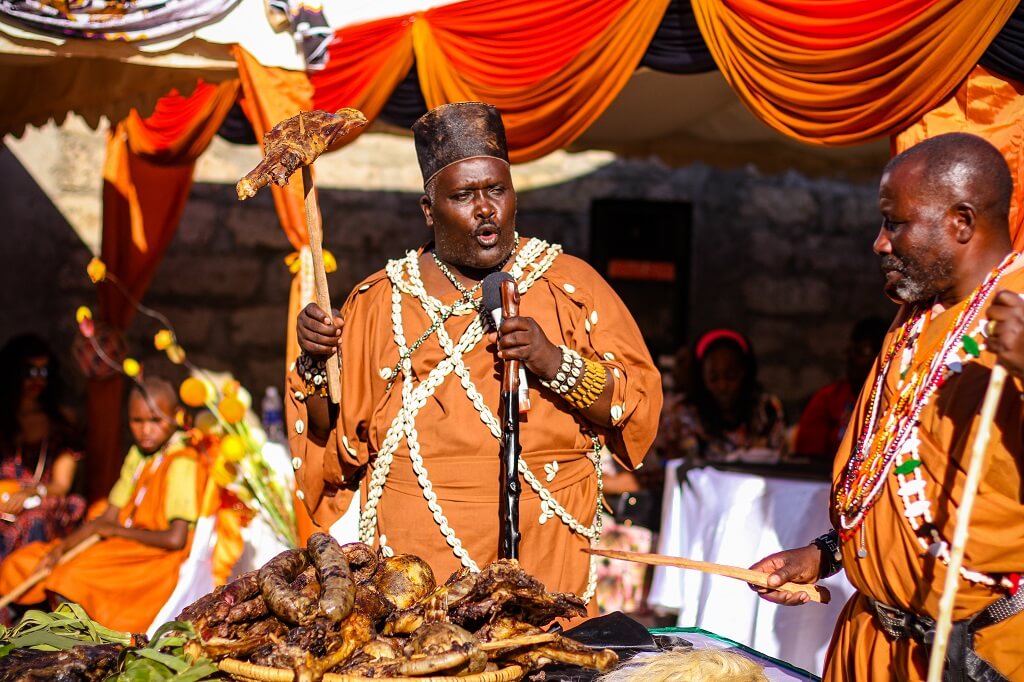
Usual travel clichés often split nature and culture into separate boxes. East Africa complicates that idea.
One major critique of wildlife-first tourism asks a simple question: where are the people and where is the culture.
Communities can disappear behind animal imagery, even in places with enormous social and cultural complexity.
Kenya offers one of the sharpest examples. A few numbers and contrasts make that compression clear:
- a search for indigenous tribes in Kenya brought up 47 groups
- once tourism was added to the search, representation narrowed sharply
- Maasai became the dominant cultural image in tourism-facing results
- Kikuyu are identified as Kenya’s largest ethnic group, yet they do not receive that same tourism visibility
Result is a simplified picture that reduces a much larger social field into a few marketable symbols.
West Africa reads differently in your references. Since wildlife branding is weaker, culture feels less hidden and more woven into the trip itself.
The difference here is not that one region has culture and the other has nature. The difference is that tourism teaches visitors to notice those things in different ways.
Language and Social Navigation
In East Africa, language variety is extensive. More than 160 ethnic groups are noted across the region.
Uganda alone includes more than 40 indigenous languages across three language families.
At the same time, English and Swahili often act as connective languages. A few facts show why social navigation can feel more continuous across borders:
- East Africa includes more than 160 ethnic groups
- Uganda alone has more than 40 indigenous languages
- those languages belong to three language families
- English often works as a shared language in travel settings
- Swahili functions as a major regional connector
- Swahili is described as the only indigenous African language recognized by the African Union
For travelers, that can make parts of East Africa feel more legible across borders, since a shared linguistic spine often exists alongside local variation.
In West Africa, the language picture is more fragmented across colonial and local systems. Country patterns make that especially clear:
- English is used in countries such as Nigeria and Ghana
- French appears across Senegal, Côte d’Ivoire, Mali, Niger, Burkina Faso, Togo, Benin, and Guinea
- Portuguese is used in Guinea-Bissau and Cabo Verde
- major regional languages include Hausa, Yoruba, Fula, Wolof, and Bambara
- Nigeria alone has more than 500 indigenous languages
For a traveler, that creates a distinct social effect. East Africa can feel more regionally continuous because English and Swahili often provide overlap across multiple countries.
West Africa can feel more linguistically varied country by country, and even city by city, which adds to the sense that each destination has its own social rhythm.
Summary
East Africa and West Africa are not two versions of the same trip.
East Africa, in these materials, is presented through safari imagery, major wildlife encounters, conservation-centered tourism, and dramatic geography linked to the Rift Valley and the Serengeti world.
West Africa comes across as more coastal, more urban-social, and more grounded in everyday human presence.
Contrast is not just a matter of intensity. Contrast is a matter of kind. East Africa often sells the iconic African trip.