
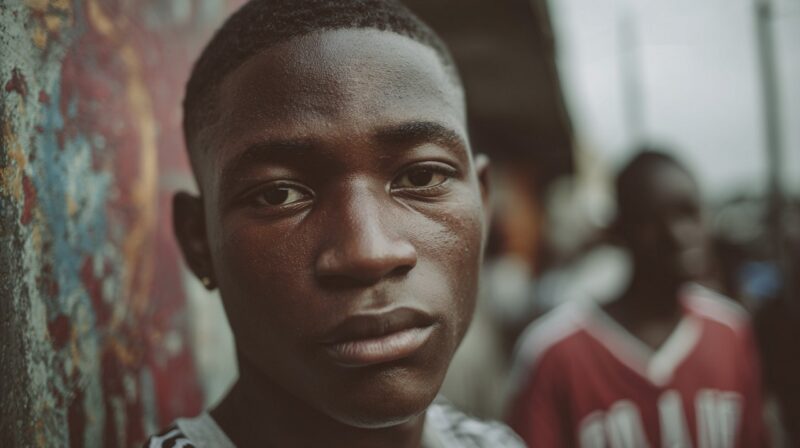
Urban street culture in Nigeria refers to a living system of expression shaped by music, fashion, language, dance, and visual art rooted in daily youth life.
Street culture operates as a cultural identity formed through shared experiences rather than temporary trends.
Youth communities use street expression to communicate ambition, frustration, humor, and resilience, especially in fast-growing cities like Lagos.
Cultural practices visible on streets influence how young Nigerians see themselves and how they are seen globally.
Streetwear, Tradition, and Youth Identity
Urban fashion among Nigerian youth operates as a social language shaped through daily interaction, music culture, and shared space.
Clothing choices communicate status, attitude, creativity, and cultural awareness.
Streetwear and traditional elements interact constantly, creating visible expressions of youth identity tied to city life and collective experience.
Streetwear and Youth Creativity
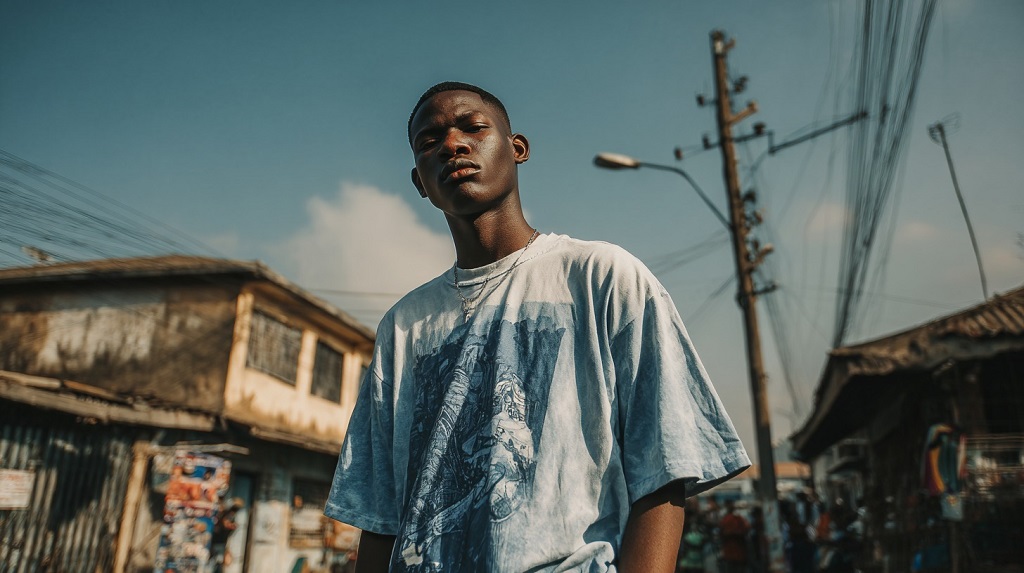
Streetwear culture in Lagos grows through self styling practices formed by observation, experimentation, and peer exchange.
Outfit choices reflect access, environment, and imagination rather than formal fashion training. Informal markets, thrift stalls, local tailors, and social media feeds influence what young people wear daily.
Visual identity gains validation through community response instead of institutional approval.
Common features visible across street fashion include the following elements, which signal belonging and awareness of current youth aesthetics:
- Oversized graphic shirts styled loosely for comfort and presence
- Baggy denim paired with sneakers or slides suited for daily mobility
- Thrift sourced pieces repurposed through customization and layering
- Locally printed fabrics mixed with global streetwear silhouettes
View this post on Instagram
Street Souk’s inclusion at Lagos Fashion Week marked a moment of recognition for youth led fashion communities.
Placement outside the main runway structure showed acknowledgement of street culture while also revealing limits within existing fashion systems.
Structural Barriers at Lagos Fashion Week
Runway-focused fashion platforms in Nigeria often prioritize luxury branding, seasonal cycles, and high production costs.
Entry into main showcases requires resources that grassroots designers and street collectives rarely possess.
Community-based fashion expression frequently appears in side events, pop-ups, or sponsored showcases.
The separation between institutional fashion and street culture creates several outcomes that shape visibility and access:
- Financial barriers restrict participation for youth designers working independently
- Curatorial decisions favor polished presentation over raw community expression
- Streetwear risks being reframed for commercial consumption instead of cultural accuracy
Authentic representation requires space that allows youth fashion to appear without pressure to conform to elite production expectations.
Recognition becomes meaningful only when the community context remains intact.
Traditional Headwear as Fashion and Cultural Symbol
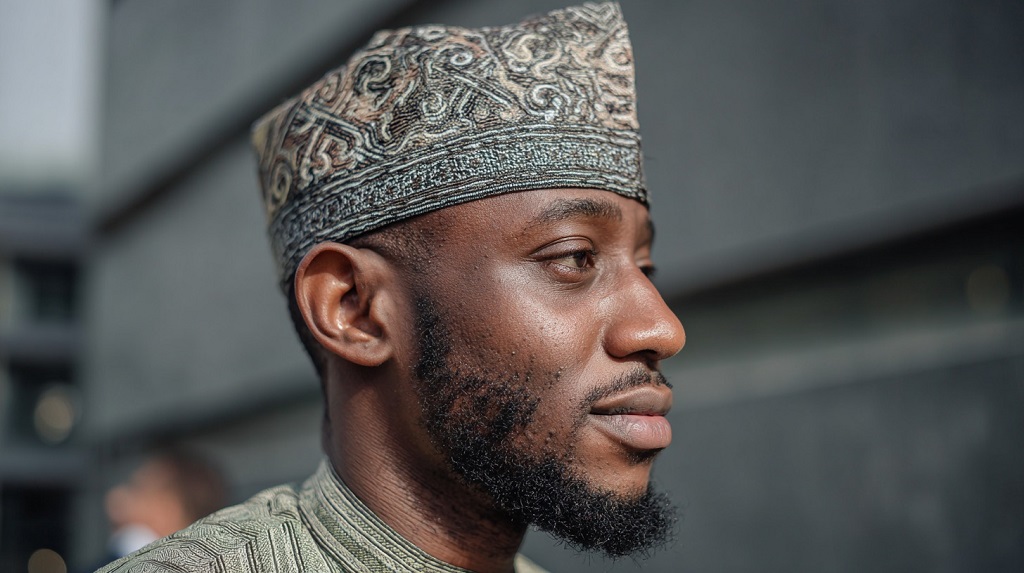
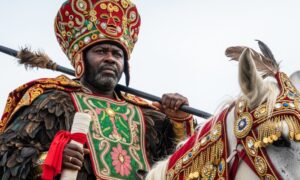
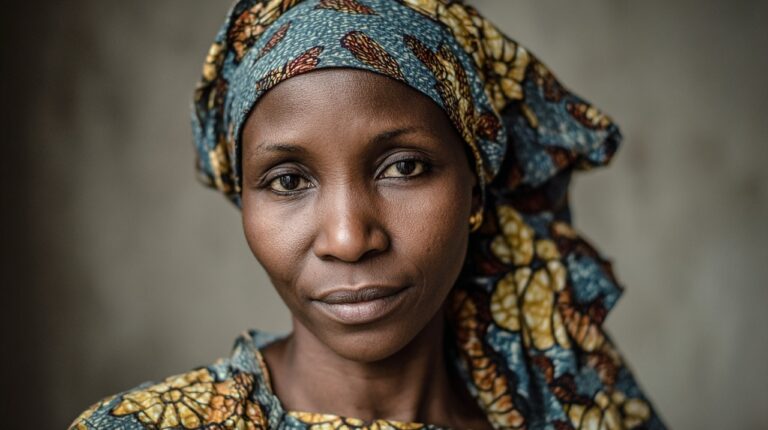
Traditional headwear continues to hold social meaning while adapting to modern street styling.
Youth adoption of cultural headpieces reflects pride, identity signaling, and continuity within contemporary fashion.
Headwear often functions as both an aesthetic choice and a cultural reference, from traditional caps to modern interpretations like 4inbandana that reflect personal style while engaging with broader fashion trends.
Several traditional hats appear consistently in urban style settings due to their symbolic weight and adaptability:
- Kufi caps are associated with respect, spirituality, and everyday cultural presence
- Igbo caps worn during celebration and identity affirmation are tied to lineage
- Yoruba fila hats, including abeti aja styles, paired with modern outfits for contrast
Use of traditional headwear within street fashion communicates awareness of heritage without limiting creative expression. Cultural symbols gain renewed relevance through youth reinterpretation in urban settings.
Music as the Pulse of Urban Youth Identity
Sound functions as one of the strongest tools for youth expression in Nigerian cities. Music shapes attitude, movement, language, and fashion while reflecting daily realities.
Urban youth connect personal experience with collective identity through rhythm, lyrics, and performance.
Afrobeats and Street Pop as Cultural Forces
Music in Nigeria operates as social narration and emotional release rather than entertainment alone.
Afrobeats and street pop act as dominant sound systems, shaping youth communication.
Songs address ambition, struggle, humor, celebration, and resilience tied to city life.
Street-rooted sound culture influences youth identity formation through several visible practices:
- Lyrics referencing everyday survival and neighborhood experiences
- Rhythms built for dance spaces, streets, and digital platforms
- Vocal delivery shaped by local speech patterns and slang
Global circulation of Afrobeats carries these expressions outward, allowing youth narratives to reach international audiences without losing local character.
Case Study: Asake
Asake, born Ahmed Ololade in Lagos, represents contemporary street-rooted artistry within modern Afrobeats.
Musical style draws influence from street hop, fújì rhythms, Yoruba musical tradition, and current Afrobeats structures.
Language shifts fluidly between Yoruba, Nigerian Pidgin, and English, reflecting how urban youth navigate multiple identities daily.
Impact of Asake’s sound appears across several youth culture spaces:
- Fashion trends shaped by artist styling and visual presentation
- Dance routines created around rhythmic intensity of tracks
- Slang usage repeated across social platforms and street conversation
Street focused storytelling paired with energetic production reshapes expectations around mainstream Nigerian music.
Street Music and Viral Culture
Street records often gain attention through digital circulation rather than traditional media routes.
Social platforms function as distribution spaces where dancers, creators, and listeners participate actively. Songs become soundtracks for challenges, skits, and group performance.
Feedback loops between artists and listeners strengthen community involvement and cultural ownership.
Linguistic Expression of Urban Youth
Language functions as a central tool for identity and connection within Nigerian youth culture.
Speech patterns reveal belonging, creativity, and awareness of social context. Informal language adapts quickly in response to music, media, and street interaction.
Nigerian Pidgin and Street Slang
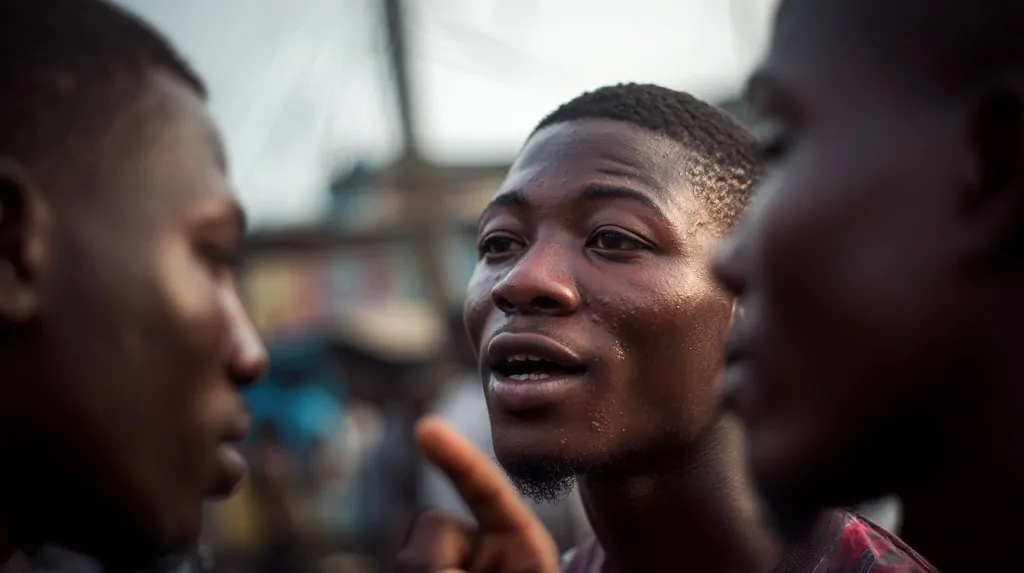
Nigerian Pidgin operates as a shared communication system across ethnic and regional lines. Youth use slang to establish familiarity, humor, and social positioning.
Terms circulate rapidly through conversation, lyrics, captions, and online commentary.
Frequently used expressions carry layered meanings shaped by context:
- “Gbe body” signaling movement, energy, or encouragement
- “No wahala” expressing ease or reassurance
- “Omo” functioning as address, emphasis, or reaction
Language use reinforces community membership while allowing constant reinvention.
Language in Music and Digital Culture
Music plays a central role in spreading street language across wider audiences. Digital platforms accelerate circulation by allowing repetition, remixing, and visual association.
Youth do not consume passively but actively reshape language through participation.
Online engagement supports linguistic expansion through practices such as:
- Meme creation using song lyrics or catchphrases
- Comment sections repeating street expressions
- Video captions reinforcing slang usage
Street language travels globally while remaining tied to its social roots.
Dance, Social Media, and Global Circulation
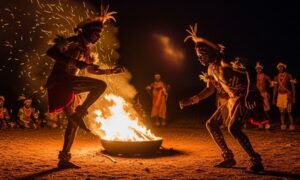
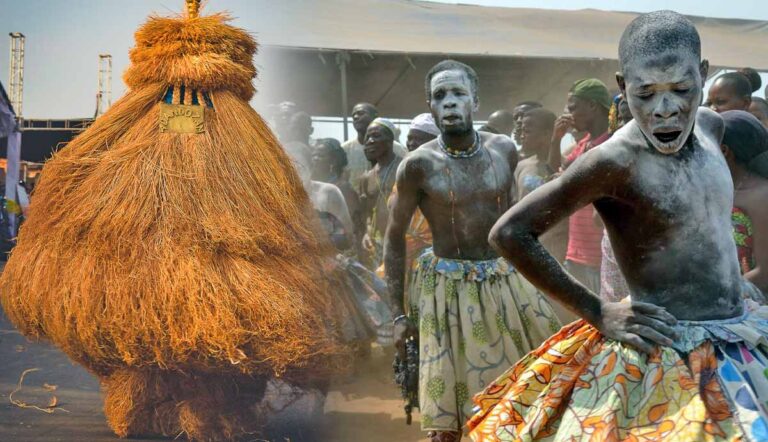
Dance functions as physical expression of rhythm, confidence, and collective energy within Nigerian urban spaces.
Movement styles emerge organically in streets, clubs, and informal gatherings before spreading digitally.
Street dances like Shaku Shaku, Zanku, and Legwork originate within youth communities shaped by sound and space.
View this post on Instagram
Body movement reflects attitude, timing, and group coordination rather than formal choreography. Social platforms allow dancers to share routines instantly, enabling rapid global circulation.
Connection between music and dance strengthens cultural visibility through shared participation.
Nigerian youth expression gains international recognition as movement and sound travel together across screens and stages worldwide.
Summary
Nigerian street culture operates through interconnected systems of music, fashion, language, and dance used to express identity and challenge norms.
Youth communities shape mainstream culture through grassroots creativity rooted in everyday experience.
Global influence of Nigerian street culture shows how local youth expression reshapes popular culture while maintaining cultural specificity and social relevance.