
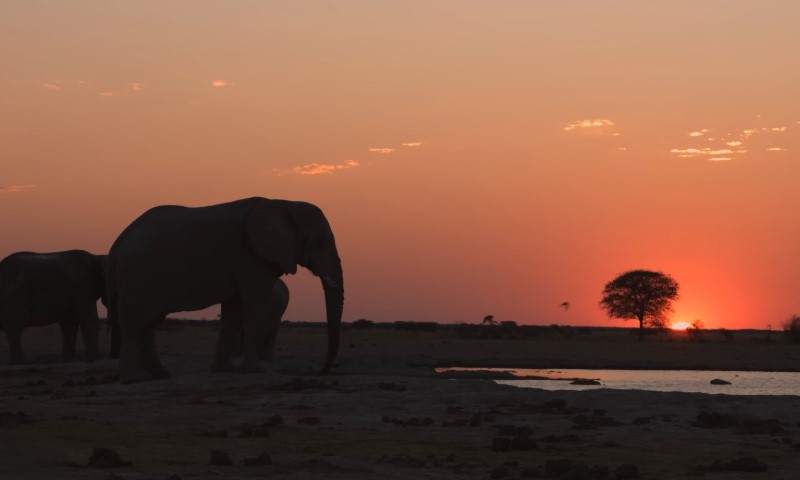
African elephants shape ecosystems across the continent in ways few species can match. Massive bodies, constant movement, and high food intake alter vegetation patterns, water access, and animal interactions across wide areas.
Migration refers to long-distance, seasonal movement in search of water, food, and safety.
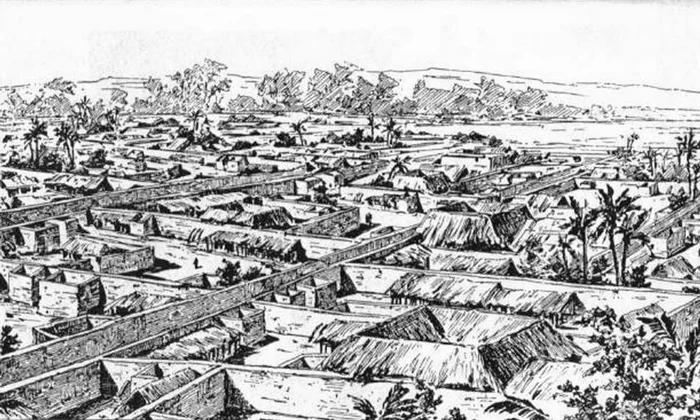
Human expansion has increasingly restricted elephant movement. Farms, roads, and settlements now interrupt routes that once stretched across vast regions.
Evidence shows that elephant migrations are shrinking and becoming fragmented.
Many people assume that elephants simply occupy protected parks, yet data show that movement across connected areas remains essential.
Elephant migrations are critical ecological and economic processes.
Current data reveals shrinking routes, fragmented populations, and widespread misconceptions about how elephants use space.
Understanding these migrations is crucial for conservation, and responsible tourism plays a key role. For those looking to experience these majestic animals in their natural habitat, Wildfoot Travel offers journeys that directly support the protection of these vital ecosystems.
What Drives Elephant Migration
Access to essential resources determines elephant movement patterns. Seasonal rainfall directly affects vegetation growth, which in turn shapes where elephants can feed.
During wet seasons, herds spread out as food becomes more widely available. Dry seasons force movement toward reliable water sources and remaining vegetation.
Water availability remains one of the strongest influences, especially during prolonged dry periods.
Several key patterns explain how resource availability shapes movement:
- Elephants shift between distinct seasonal ranges tied to rainfall cycles
- Dry-season movement often centers around permanent rivers, lakes, and underground water sources
- Areas with declining vegetation quickly lose elephant presence, even if they were heavily used just months earlier
Knowledge transfer plays a central role in migration. Older matriarchs guide herds using memory built over decades.
Herd survival often depends on this accumulated knowledge, especially during extreme conditions.
Social structure reinforces this system. Younger elephants learn routes by following experienced leaders, creating continuity across generations.
Loss of older elephants can disrupt this process and lead to confusion in movement patterns.
Large spatial requirements also shape migration behavior. Elephants require vast areas to meet their daily food and water needs.
High body mass and constant feeding demands push them to move continuously rather than remain in one location.
Movement patterns reflect this need for space. Elephants can travel hundreds of kilometers each year, following predictable yet flexible routes.
Elephants Use Less Habitat Than Available, Why This Matters
Research shows that elephants use only a portion of the suitable habitat across Africa. Large areas with adequate vegetation, water, and climate conditions remain unused.
The primary reason lies in human pressure rather than ecological limits.
Avoidance behavior follows clear patterns tied to human presence. Elephants actively move away from areas that appear suitable on paper but contain signs of human activity.
Several types of human influence consistently reduce habitat use:
- High human population density creates constant disturbance and risk
- Expansion of agriculture replaces natural vegetation and blocks movement
- Settlements introduce noise, fencing, and unpredictable encounters
- Roads and infrastructure increase mortality risk and fragment routes
Even minimal human presence can alter elephant behavior. Data reveals a critical insight.
The presence of people alone can deter elephants, even in areas with sufficient food and water.
Consequences of this avoidance reshape how elephants occupy space. Instead of spreading across available habitat, herds concentrate in limited zones that feel safer.
Human-elephant conflict rises as a direct result. Movement becomes funneled through narrow corridors that intersect with farms and villages.
Economic and Global Significance
Elephants play a major role in tourism economies across Africa. There are numerous aspects of this occurrence. One of the major ones is certainly wildlife presence.
The reason is that local communities rely on consistent wildlife presence for income stability.
Wildlife tourism generates billions of dollars annually and supports employment across multiple sectors, allowing visitors to experience elephants in their natural habitats while contributing to conservation-driven economies.
Poaching reduces this economic value. Fewer elephants lead to fewer visitors, which results in financial losses for communities and governments.
Declines in wildlife visibility directly affect tourism revenue.
Ecological contributions extend to global systems. Vegetation management by elephants influences carbon storage.
Through feeding and movement, elephants shape plant composition, which affects how ecosystems store and release carbon.
Protecting migration routes supports both ecological and economic systems.
Sustained elephant movement maintains ecosystem function while supporting long-term tourism income.
Ecological Importance of Elephant Migration
Elephants act as ecosystem engineers across vast regions. Feeding behavior and constant movement influence plant distribution, soil conditions, and water access.
Seed dispersal occurs over long distances as elephants consume vegetation and deposit seeds through dung. Forest and savanna regeneration depend heavily on this process.
Digging behavior creates access to underground water in dry riverbeds. Other animals rely on these water sources during periods of extreme heat and drought.
Without elephant activity, many of these water points would remain inaccessible.
Tree removal plays a major role in maintaining ecosystem structure. By knocking down trees, elephants prevent dense woody growth and preserve open savanna systems.
The balance between trees and grasses depends heavily on this activity.
Movement across regions supports biodiversity at multiple levels. Nutrients, seeds, and organic material are redistributed continuously. Species interactions shift as elephants enter and leave different areas, preventing stagnation in ecological processes.
What Elephant Population Numbers Really Reveal
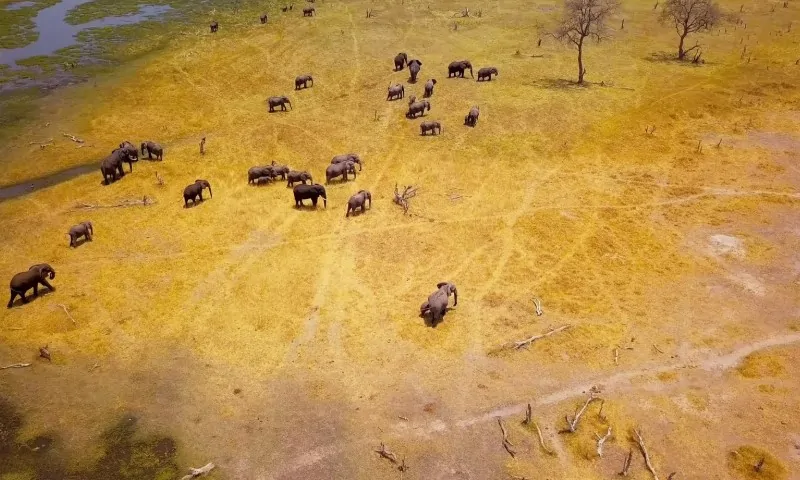
Population counts alone fail to capture the full picture of elephant status.
Africa’s elephant population has declined significantly over the past century, yet numbers do not fully reflect structural changes within populations.
Fragmentation and uneven distribution now define the situation.
Regional variation creates misleading impressions. Some locations report stable or increasing populations, while others experience sharp declines.
Aggregated data can hide these imbalances.
Migration disruption contributes directly to this fragmentation. Barriers prevent movement between regions, leading to isolated populations.
Genetic exchange decreases, which weakens long-term survival prospects.
Threats to Elephant Migration
Poaching remains a major threat to elephant populations and movement patterns.
Tens of thousands of elephants were killed annually during peak periods.
Loss of older individuals removes critical knowledge needed for migration.
Impact of poaching extends beyond population decline:
- Matriarch loss disrupts herd leadership and navigation
- Younger elephants lose access to learned migration routes
- Social structure becomes unstable, affecting survival rates
Habitat fragmentation continues to expand across elephant ranges. Farms, fences, and infrastructure block traditional corridors that have been used for generations.
Movement becomes restricted or completely halted in some areas.
Human-elephant conflict increases as available space shrinks. Elephants are forced into closer contact with human settlements while searching for food and water.
Crop damage and property destruction lead to retaliatory actions.
Climate variability adds another layer of pressure. Changes in rainfall patterns alter vegetation cycles and water distribution.
Traditional routes may no longer provide reliable resources, forcing elephants to adjust their movement in unpredictable ways.
Why Protecting Migration Is More Important Than People Realize
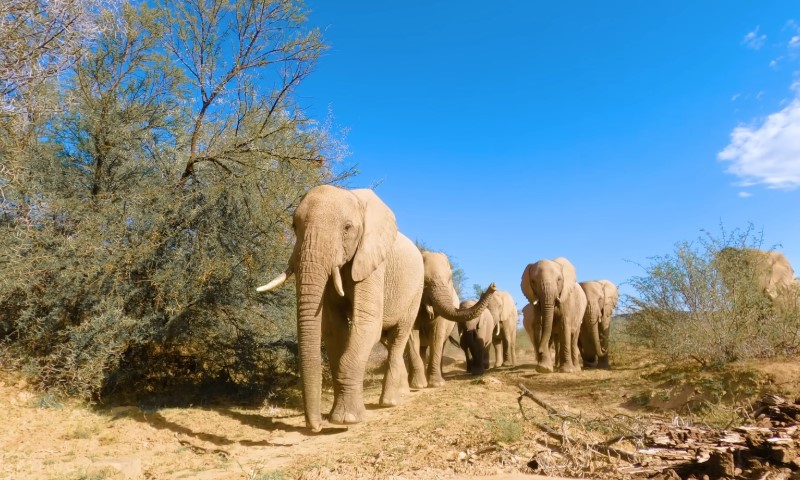
Data across multiple sources points to a clear conclusion. Elephants are not only declining in number.
The ability to move freely is also being lost at a significant scale.
Migration supports several critical systems at once. Ecosystem balance depends on movement that redistributes nutrients and maintains vegetation structure.
Population resilience depends on connectivity between groups. Economic systems rely on a stable elephant presence.
Protection efforts often focus on isolated protected areas.
Connectivity between habitats remains equally important. Corridors allow elephants to move safely and maintain natural patterns across regions.
Failure to protect migration leads to long-term consequences. Ecosystems degrade, populations weaken, and economic systems lose stability.
Maintaining movement is essential for sustaining both natural and human systems tied to elephants.
Summary
Elephant migration forms a critical foundation of African ecosystems. Movement patterns maintain ecological balance and support a wide range of species.
Data shows that migrations are shrinking due to human pressure rather than natural limits.
Protecting elephants requires protection of movement. Biodiversity, economic systems, and ecological resilience all depend on maintaining connected habitats.
Recognition of migration as a central conservation priority remains essential for long-term success.