
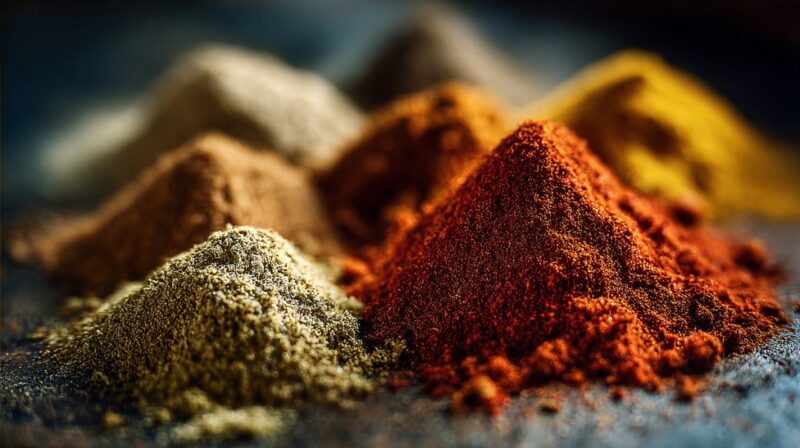
Walk through a market in Accra, Lagos, Freetown, Dakar, or Cotonou, and your senses wake up fast. Warm peppery notes hang in the air. Smoky dried pods sit in shallow bowls. Ginger heat cuts through the humidity. Sweet aromatics drift from spice sellers who know exactly how long each blend should simmer in a pot.
West African cooking leans hard on spices that do far more than make food taste good. Many of them carry essential oils and plant compounds that researchers connect to antioxidant activity, antimicrobial effects, inflammation control, and even changes in metabolism.
The real work is separating tradition from lab data, and lab data from human evidence, then translating all of it into everyday cooking that feels natural.
We prepared a practical guide to well-known West African spices. You will see how they taste, where they show up in real dishes, what science supports most clearly, and how to use them in ways that respect both culture and common sense.
Why Spices Can Affect Health In The First Place
Spices come from seeds, bark, pods, roots, and fruits packed with bioactive compounds. Researchers tend to circle around a few recurring mechanisms when studying them.
- Antioxidant effects: Plant compounds that help neutralize free radicals, often measured with lab assays like DPPH or FRAP.
- Anti-inflammatory effects: Chemicals that influence inflammation pathways, studied first in cells and animals, and less often in humans.
- Antimicrobial activity: Essential oils and extracts that slow bacterial or fungal growth under controlled conditions.
- Metabolic effects: A smaller group, where some spices show changes in energy expenditure, appetite signaling, or visceral fat in human trials.
A necessary reality check matters here. Food use is not the same as supplements. Many strong claims come from concentrated extracts tested in labs.
The everyday value of spices usually shows up through consistent dietary use, less reliance on excess salt and sugar, and cooking patterns built around whole foods.
Flavor And Evidence At A Glance
| Spice (Common West African Names) | What It Tastes Like | Most Common Culinary Uses | What Research Most Strongly Supports | Evidence Strength |
| Grains of Paradise (Aframomum melegueta, alligator pepper) | Peppery, ginger-like heat | Pepper soup, spice blends, chewing seeds | Thermogenesis and energy expenditure in human studies | Moderate |
| Ethiopian Pepper / Uda (Xylopia aethiopica) | Smoky, peppery, slightly bitter | Pepper soup, stews, fish, postpartum soups | Antimicrobial activity of essential oils, anti-inflammatory findings | Early to moderate |
| Prekese / Aidan Fruit (Tetrapleura tetraptera) | Sweet-spicy, aromatic pod | Light soups, stews, teas | Antioxidant and phytochemical profile | Early to moderate |
| Uziza / West African Black Pepper (Piper guineense) | Peppery, herbal bite | Soups, leafy stews, pepper soup | Antimicrobial potential, phytochemical content | Early |
| African Nutmeg (Monodora myristica) | Warm, nutty, aromatic | Jollof-style dishes, stews, baking | Anti-inflammatory potential in lab studies | Early |
| Cloves (Syzygium aromaticum) | Sweet, sharp, numbing warmth | Rice dishes, marinades, teas | Antioxidant and antimicrobial properties | Moderate |
| Ginger (Zingiber officinale) | Bright heat, citrusy warmth | Stews, sauces, teas, marinades | Nausea relief supported by clinical trials | Strongest |
1. Grains Of Paradise (Alligator Pepper) And Metabolic Health
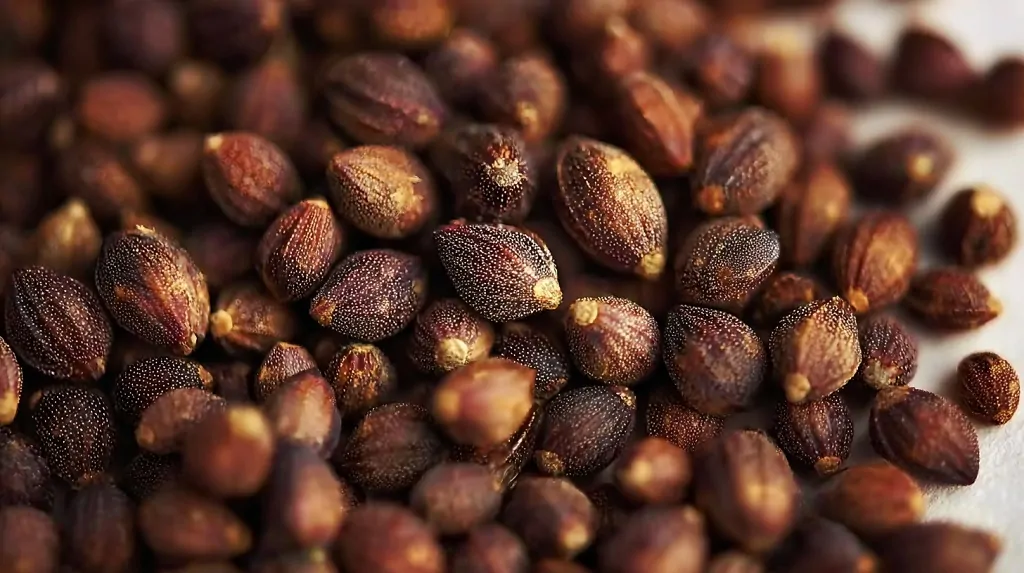
Grains of paradise, botanically Aframomum melegueta, belongs to the ginger family. Across West Africa, people chew the seeds, use them ceremonially, and add them to soups and stews for a clean, sharp heat.
Flavor Profile
Peppery, slightly citrusy, with ginger-like warmth that lingers without bitterness.
The Best-Supported Health Angle
Grains of paradise stands apart because human research exists, not just lab work.
A study published in the British Journal of Nutrition reported that ingesting grains of paradise extract increased whole-body energy expenditure in men, linked to activation of brown adipose tissue, a type of fat involved in thermogenesis.
A later randomized, double-blind, placebo-controlled trial in overweight adults, standardized for 6-paradol content, reported reductions in visceral fat alongside increased energy expenditure.
What Compound Is Involved
Research often points to 6-paradol, a pungent compound associated with thermogenic pathways.
What That Means In Real Life
Human studies typically use extracts, not a pinch tossed into stew. Even so, the findings support the idea that grains of paradise carries biological activity beyond flavor.
Practical Ways To Use It
- Crack a few seeds into pepper soup with ginger, uda, onions, and stock.
- Grind lightly and add to rice dishes near the end for aroma.
- Steep crushed seeds with ginger and cloves for a mild tea, not overly strong.
2. Uda (Xylopia Aethiopica), The Smoky Backbone Of Pepper Soup
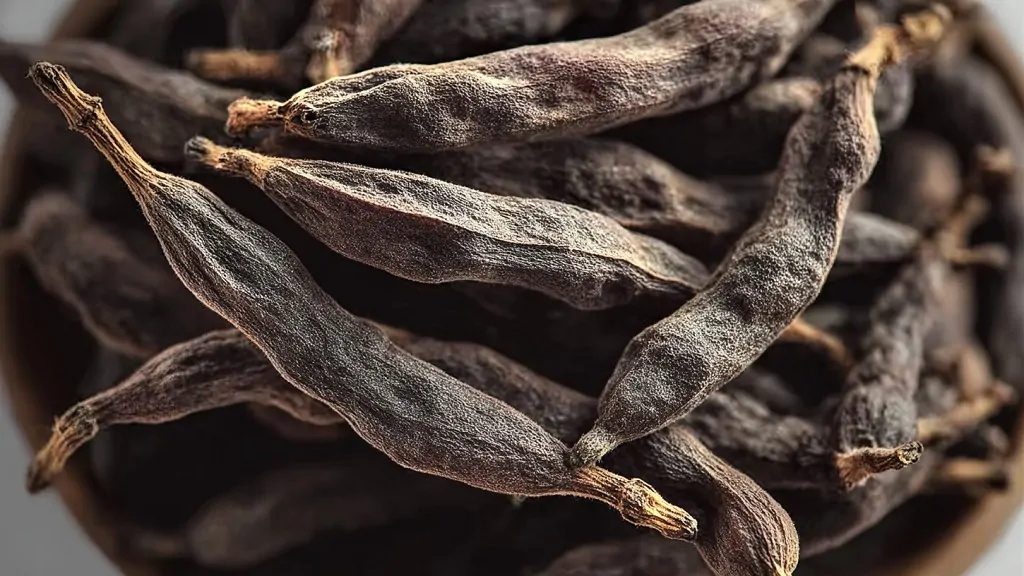
Xylopia aethiopica goes by several names, including Ethiopian pepper and Guinea pepper. In many households, it is simply uda. Its smoky aroma anchors pepper soup and fish dishes across the region.
Flavor Profile
Deep smoky notes, peppery heat, and a faint bitterness that rounds out long-simmered broths.
What Research Supports Most Clearly
Studies often focus on essential oils and extracted compounds from Xylopia aethiopica.
Lab findings show measurable antimicrobial activity against certain organisms under controlled conditions.
Researchers also explore anti-inflammatory properties, though most results remain preclinical.
Cultural Context Matters
Spices that slow spoilage or inhibit microbial growth would have carried clear value in hot climates and open markets.
That does not mean uda treats infections, yet it explains why antimicrobial spices became culinary staples.
Practical Cooking Uses
- Lightly toast before adding to pepper soup for deeper aroma.
- Add early to fish or goat stew so the flavor infuses the broth.
- Blend into dry rubs with ginger and cloves.
3. Prekese (Tetrapleura Tetraptera), Sweet Spice With Functional Roots
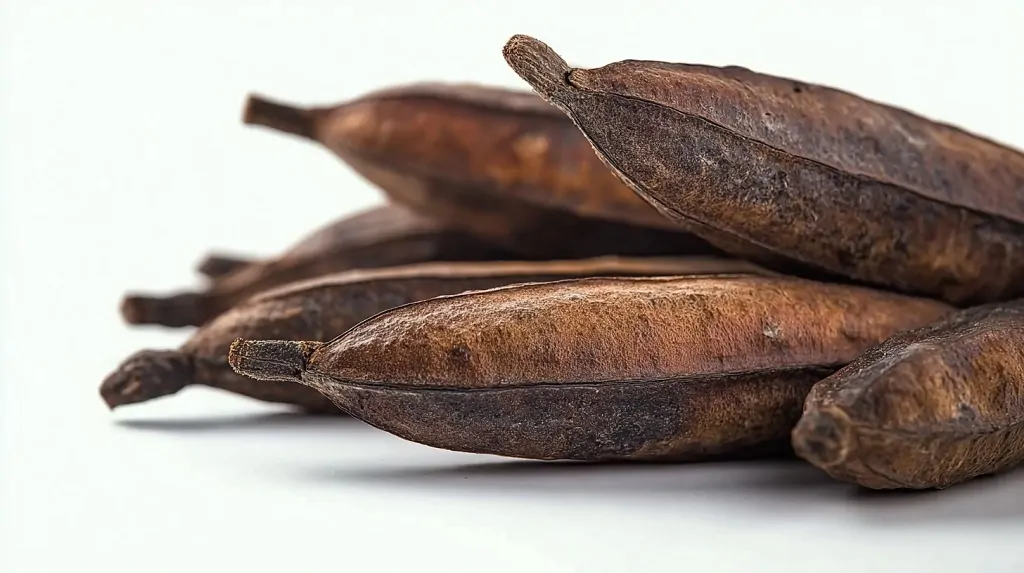
Prekese, also called Aidan fruit, appears as a long ridged pod used widely in Ghanaian cooking and beyond. It shows up in light soups, stews, and sometimes teas.
Taste Profile
Warm, sweet-spicy, aromatic, rounded rather than sharp.
What Research Focuses On
A 2024 review highlights Tetrapleura tetraptera for its nutritional attributes and a range of biological activities, including antioxidant and antimicrobial properties.
Other studies examine phytochemical compounds across pulp, seeds, and whole pods, identifying flavonoids, phenols, tannins, and related compounds associated with antioxidant capacity in lab assays.
Practical Ways To Use Prekese
- Drop 1 to 2 pods into light soup, then remove before serving.
- Add to beans or lentils for aroma without heat.
- Simmer in broth with onion, ginger, and small dried fish.
4. Uziza (Piper Guineense), Pepper Heat With A Herbal Edge
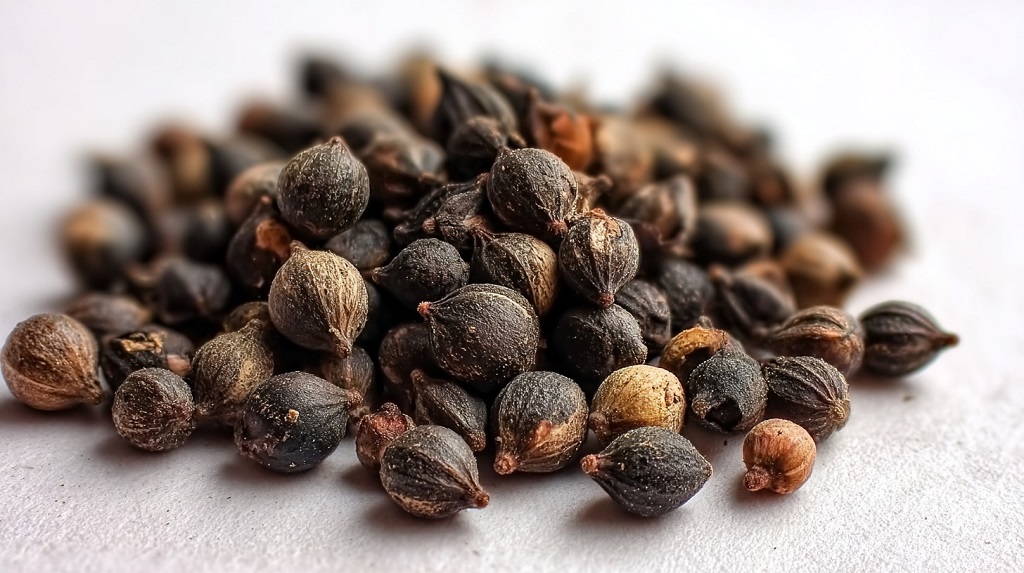
Uziza, known as West African black pepper, uses both seeds and leaves depending on the dish.
Flavor Profile
Sharp pepper bite from the seeds, herbal notes from the leaves.
Research Overview
Review papers on Piper guineense highlight phytochemical content and traditional applications.
Pharmacognosy resources describe antimicrobial mechanisms involving essential oils and microbial membrane disruption. Evidence largely comes from lab work and reviews rather than human trials.
How It Shows Up In Cooking
- Add leaves late to leafy soups for aroma.
- Use seeds early in pepper soup, then finish with leaves.
- Grind with uda and grains of paradise for a pepper-forward blend.
5. African Nutmeg (Monodora Myristica), Aroma And Early Pharmacology
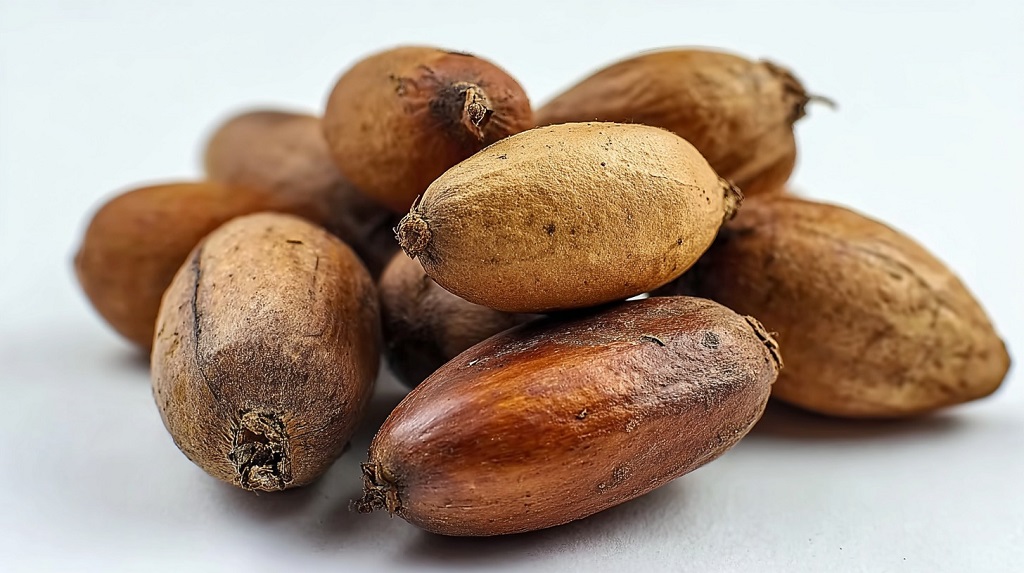
African nutmeg differs from common nutmeg. Monodora myristica carries its own role in West African stews and rice dishes.
Flavor Profile
Warm, nutty, aromatic, gently sweet.
What Research Suggests
Lab studies on Monodora myristica seed fractions show anti-inflammatory activity markers.
A 2025 paper discusses active components and potential roles in food formulation, antimicrobial activity, and antioxidant effects, while emphasizing the need for further development.
Practical Cooking Tips
- Use sparingly in jollof-style stews, as the flavor dominates quickly.
- Grind into meat marinades with ginger and cloves.
- Add a pinch to rice during cooking for background aroma.
6. Cloves, Small Spice With Big Chemistry
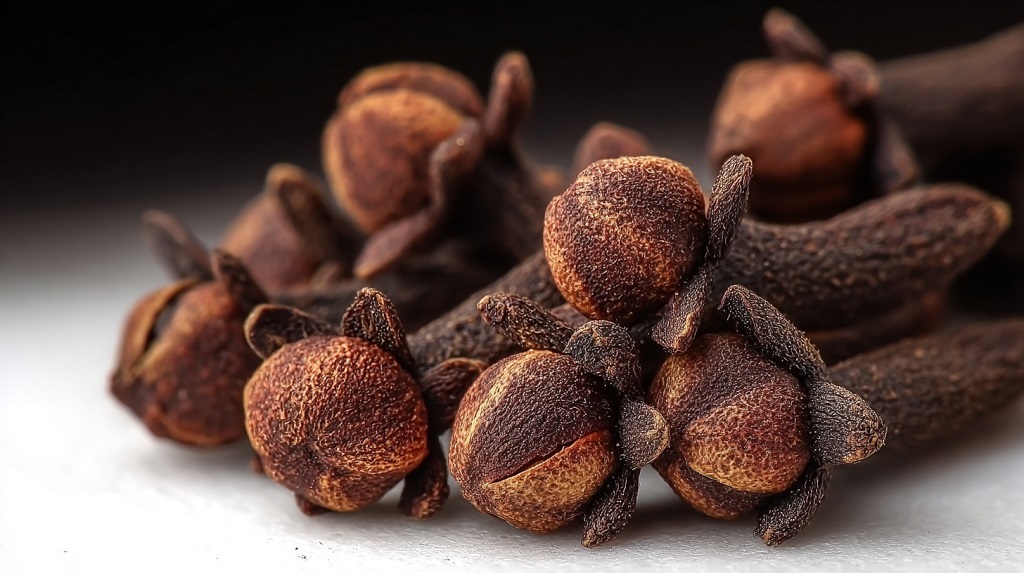
Cloves appear worldwide, yet they hold a firm place in West African rice dishes, meat stews, spice mixes, and teas.
Why Researchers Pay Attention
Cloves contain eugenol, a compound linked to strong antioxidant and antimicrobial activity.
A major review in the Asian Pacific Journal of Tropical Biomedicine outlines clove’s biological activity, supported by additional recent reviews covering a wide research landscape.
Practical Benefits In Cooking
- Strong aroma allows gradual salt reduction without blandness.
- Adds richness without extra fat.
- Balances heat when paired with ginger and pepper.
Using Cloves Without Overpowering Food
- Whole cloves in rice, about 2 to 4 per pot, removed before eating.
- Ground cloves in stews, always less than you think you need.
- Tea with clove, ginger, and citrus peel.
7. Ginger, The Evidence-Backed Staple For Nausea
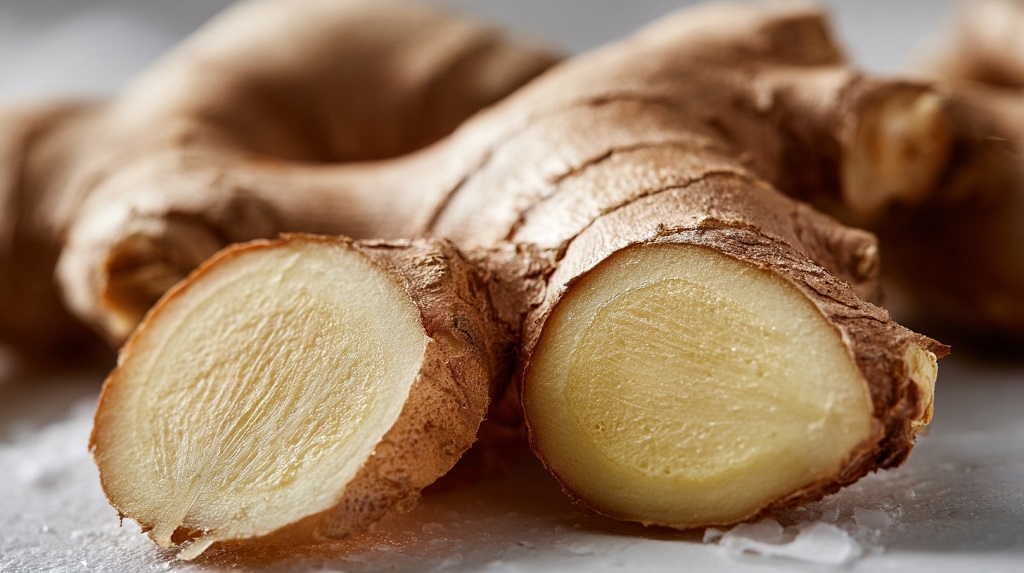
Ginger shows up everywhere in West African kitchens, from stews and drinks to marinades and infusions.
The Best-Supported Benefit
Nausea relief carries the strongest evidence. A large systematic review in Nutrients summarizes randomized controlled trials supporting ginger’s role in nausea management.
A 2024 Frontiers review discusses antioxidant and anti-inflammatory research, while mainstream medical reporting continues to emphasize gastrointestinal comfort as ginger’s clearest benefit.
How Ginger Gets Used At Home
- Added to pepper soup to lift the broth.
- Brewed into homemade drinks.
- Blended into spice pastes with garlic, onions, and chili.
Food-First Ways To Use Ginger
- Fresh ginger tea after heavy meals.
- Grated ginger added near the end of stews.
- Ginger-forward marinades that reduce added sugar.
West African Spice Blends And Why The Mix Matters
Health impact often comes from blends and patterns, not isolated spices.
Suya spice, also called yaji, illustrates the point. It usually contains ground peanuts, ginger, cayenne, cloves, garlic, and sometimes uda, depending on the household.
From a health lens, suya seasoning combines:
- Capsaicin-style heat from chili.
- Ginger compounds from ginger.
- Eugenol-rich aroma from cloves.
- Satiety and fat from peanuts, where portion control matters.
Using West African Spices For Real-World Health Habits
Turning West African spices into everyday health habits starts with using them consistently in real meals, the same way they have always shaped soups, stews, and drinks across the region.
Build A Weekly Spice Structure
Pick repeat patterns instead of random use.
- Soup base day with uda, ginger, and grains of paradise.
- Stew base day with cloves, African nutmeg, and uziza.
- Tea day with ginger, clove, and citrus peel.
Reduce Salt Without Losing Flavor
Strong spices increase complexity, helping gradual salt reduction without food tasting flat.
Favor Whole-Spice Freshness
Whole spices hold potency longer. Grind small amounts as needed.
Storage Tips
- Airtight jars
- Away from heat and sunlight
- Whole pods and seeds outlast powders
Be Careful With Supplement-Style Dosing
Many claims rely on extracts. Capsules and oils vary in quality, dosage, and interaction risk. Food use stays the safer default.
Safety And Who Should Be Cautious
Spices used in normal cooking suit most people. Risks rise with concentrated oils, extracts, or heavy daily dosing.
Extra caution applies for anyone:
- Taking blood thinners
- Managing diabetes medications
- Pregnant or breastfeeding
- Dealing with reflux or stomach sensitivity
A simple rule helps. Use spices the way your grandmother cooks with them, not the way supplement labels suggest.
Closing Thoughts
West African spices carry deep cultural knowledge and measurable biological activity. Their real strength shows up through everyday cooking, shared meals, and long-simmered pots rather than quick fixes. Flavor, tradition, and science meet most naturally when spices stay part of food, not pills.