
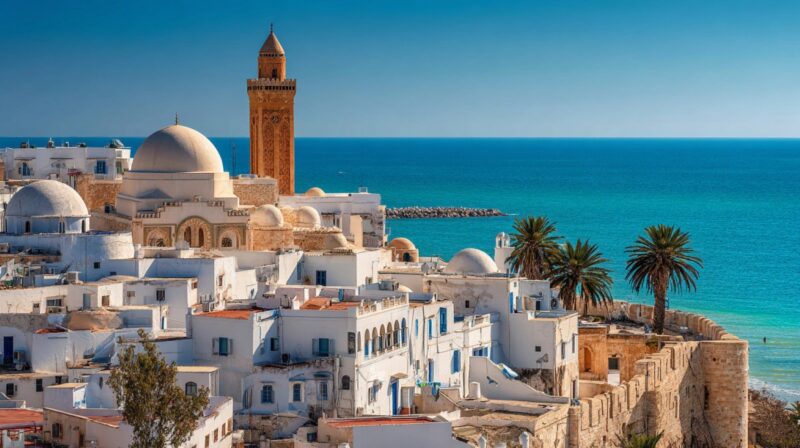
Tunisia offers Mediterranean beaches, vast Sahara dunes, and ancient sites such as Carthage and El Jem.
Roman amphitheaters, seaside resorts, whitewashed villages, and desert oases create a wide range of travel experiences within a relatively compact country.
Timing plays a major role in shaping a trip. Weather shifts significantly across seasons, especially between the cooler coast and the intensely hot interior.
Crowd levels rise sharply in summer, while winter brings quieter streets and lower hotel rates. Flight prices and tour costs also fluctuate throughout the year.
Today, we want to help you with finding the best time to visit Tunisia in 2026 based on climate patterns, crowd trends, and price changes.
Careful planning can help match your travel priorities with the right season.
Best Time to Visit Tunisia in 2026
Seasonal differences in weather, crowd size, and pricing shape the overall travel experience across Tunisia.
Climate shifts influence comfort levels, activity options, and overall costs throughout the year.
Spring (March–May)
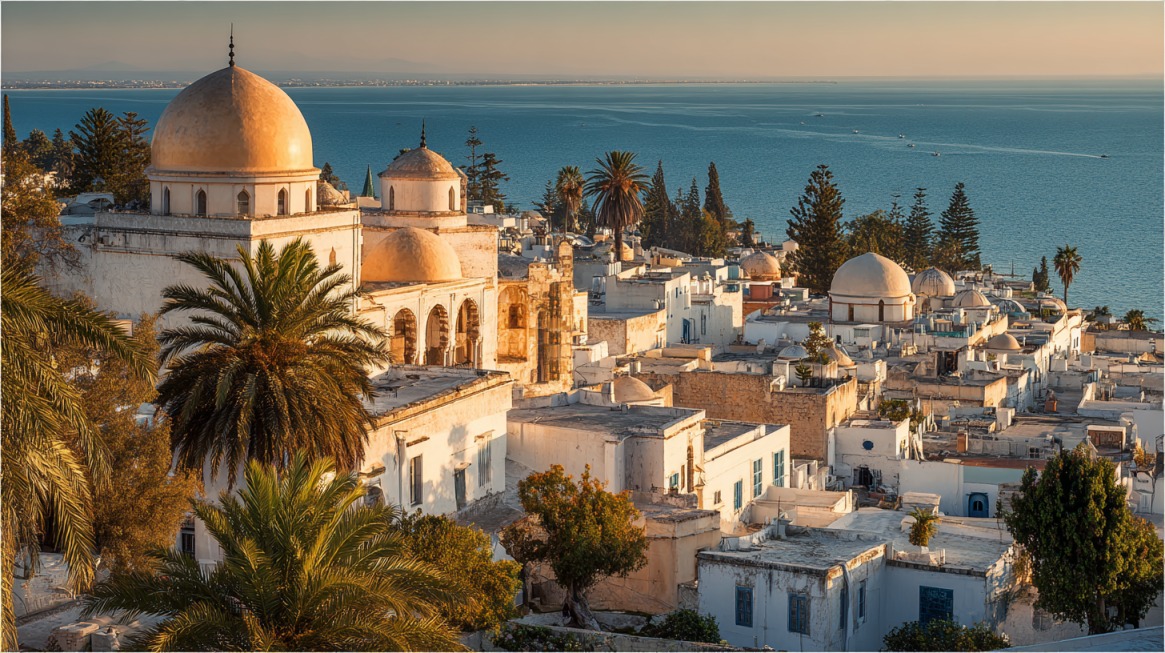
Spring brings mild temperatures and greener scenery after winter rains.
Daytime conditions are ideal for walking through ancient ruins, visiting archaeological sites, and touring cities without intense heat.
Average coastal temperatures typically range between 18 to 25°C during these months, making outdoor activities comfortable for extended periods.
- Moderate tourist numbers compared to peak summer
- Better hotel availability in major cities and coastal resorts
- More competitive airfare compared to July and August
- Comfortable daytime temperatures for desert edge towns before extreme heat sets in
April through June is often considered one of the best overall periods due to pleasant weather and balanced pricing.
Sea temperatures begin warming in late May, especially around Djerba and Hammamet, making early beach visits possible without peak-season crowds.
Summer (June–August)
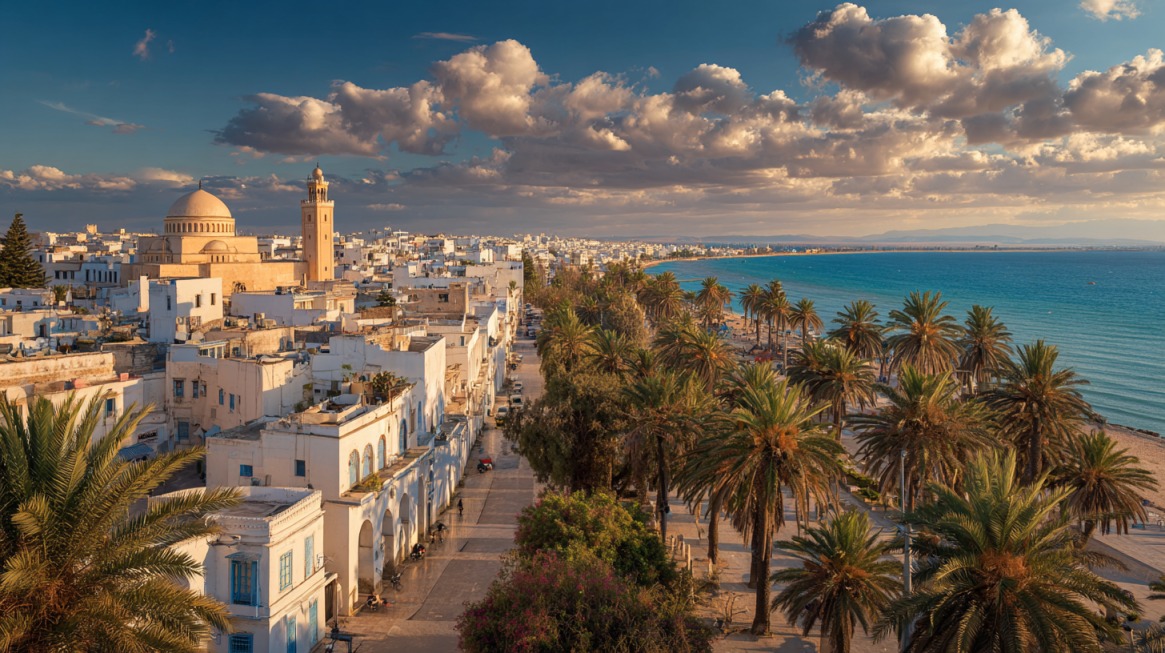
Summer delivers hot, sunny days along the Mediterranean coast.
Coastal temperatures frequently average 29 to 31°C, with consistent sunshine and very limited rainfall.
Sea temperatures are at their warmest, creating ideal swimming conditions.
- Hammamet
- Sousse
- Djerba
Inland and desert regions become extremely hot. Temperatures in central and southern Tunisia can reach 40 to 45°C during peak afternoons.
Sightseeing in desert areas such as Douz or Tozeur is best scheduled early in the morning or near sunset to reduce heat exposure.
- Highest hotel rates of the year
- Increased airfare prices due to school vacations
- Strong demand for guided tours and resort packages
- Limited last-minute accommodation availability
Beach vacations and resort stays are best suited to this period for travelers comfortable with higher temperatures and busier attractions.
Autumn (September–November)
@thechrissyhazelIf you’re starting to plan a trip to Tunisia for next year, I would say September and October are great months to visit!!♬ original sound – Chrissy Hazel
Autumn begins with warm weather that gradually cools as the season progresses. September often feels similar to early summer but with fewer visitors.
Sea temperatures remain pleasant through October, especially along the eastern coast.
- Coastal averages around 25 to 30°C in September
- Gradual cooling to 20 to 24°C by October
- Mild evenings that remain suitable for outdoor dining
Crowds decline steadily after August. Pricing becomes more favorable compared to peak summer. October frequently offers strong value on hotels and organized tours while maintaining excellent sightseeing conditions.
Seasonal agricultural activity adds interest during autumn. Olive and date harvest periods occur in many regions, offering opportunities to experience rural traditions and local markets.
September and October often serve as a sweet spot for balanced weather, manageable crowds, and solid value.
Winter (December–February)
View this post on Instagram
Winter brings mild conditions along the coast and cooler temperatures inland.
Coastal cities such as Tunis generally experience daytime temperatures between 10 and 15°C. Rainfall increases slightly compared to summer but remains moderate.
Desert regions become far more comfortable during the day.
Daytime conditions in southern Tunisia often range between 15 and 20°C, making Sahara excursions more practical than in peak summer. Nights can drop sharply, especially in open desert areas.
- Lowest tourist numbers of the year
- Reduced hotel rates across most regions
- More affordable airfare options
- Quieter museums and historic sites
Swimming becomes less common due to cooler sea temperatures, yet cultural tourism thrives. Budget travelers and visitors focused on history and museums often find winter highly attractive.
Crowd Trends and Price Patterns
Visitor numbers and pricing move in clear seasonal cycles.
Spring, particularly April through June, and autumn, especially September and October, deliver strong overall value.
- Moderate crowd levels
- Balanced hotel pricing
- Good availability in major tourist areas
- Comfortable weather for outdoor activities
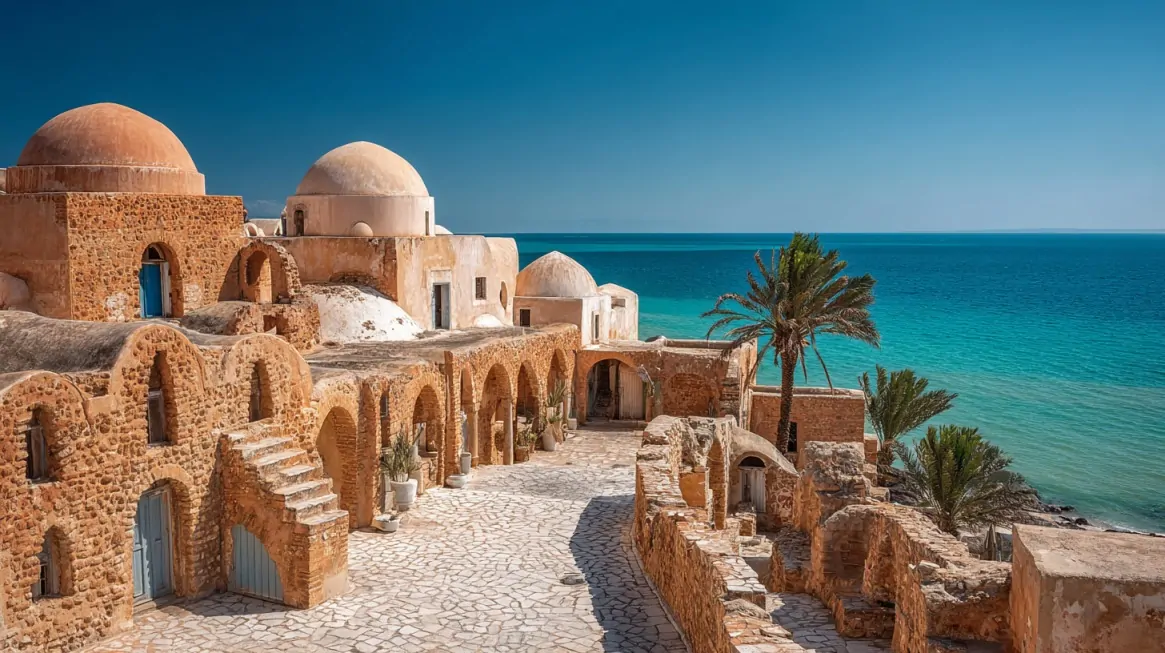
Summer, especially July and August, marks the peak season. Demand increases sharply due to school holidays and beach vacations.
Hotels in coastal resorts often operate near capacity, and airfare reaches annual highs.
Winter, generally November through February, represents the quietest travel window. Lower demand results in discounted accommodations and more flexibility in bookings. Cultural attractions remain open but attract smaller visitor numbers.
Shoulder seasons typically provide a favorable combination of price, availability, and climate compared to peak summer months.
During these quieter months, it is often easier and more affordable to rent a car in Tunisia due to lower demand.
Did you know: Tunisia is one of the top African countries for graphic designers, full of work opportunities for people that come!
Regional Considerations
Coastal cities such as Tunis, Sousse, and Hammamet benefit greatly from Mediterranean breezes.
Conditions remain suitable for sightseeing and beach visits during spring, summer, and early fall.
Sea temperatures become especially inviting between late May and October.
Desert and inland destinations require more careful timing.
Summer heat in Douz, Tozeur, the and surrounding Sahara regions can become intense and physically demanding.
- March through May
- September through November
- December through February for daytime excursions
Djerba performs best between May and early autumn. Warm sea temperatures and consistent sunshine make this island especially popular during extended summer months.
Regional climate differences make careful scheduling essential. Coastal relaxation, desert trips, and city visits each align best with specific seasons.
Tunisia’s Climate Overview
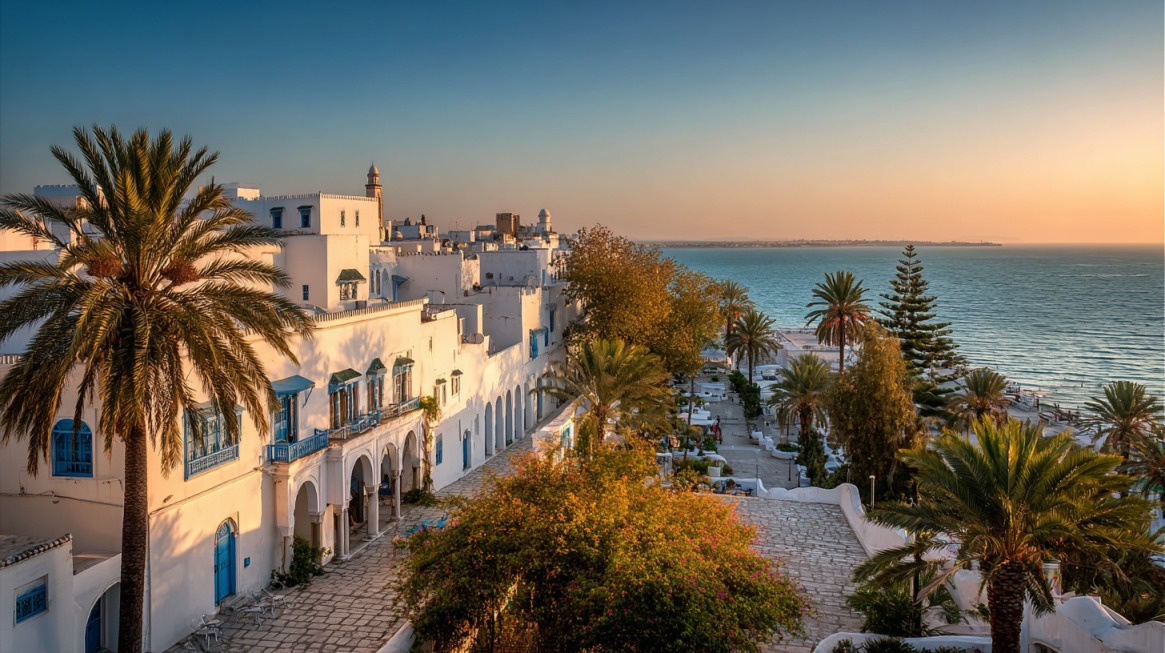
Tunisia contains distinct climate zones that influence travel conditions across the country.
Northern and coastal areas follow a Mediterranean climate pattern with mild winters and hot summers.
Tunis, Sousse, and Hammamet benefit from sea breezes that help moderate extreme heat.
- Winter coastal temperatures around 10 to 15°C
- Summer coastal averages between 29 and 31°C
- Limited rainfall during summer months
Central and southern regions shift toward arid and desert climates.
Sahara-adjacent towns such as Douz and Tozeur experience intense summer heat, frequently reaching 40 to 45°C.
Winter daytime temperatures remain moderate, though evenings can become cold.
Climate directly shapes activity planning. Beach travel aligns best with warm coastal months. Desert excursions are safer and more comfortable during cooler seasons.
Urban sightseeing in places like Tunis and Carthage becomes easier during spring and fall due to moderate daytime temperatures.
Travel Tips for Visiting Tunisia in 2026
High season between June and August requires early reservations.
Resorts along the coast can fill quickly, especially in July and August.
- Lower nightly hotel rates
- Greater room availability
- Easier access to guided tours
- More relaxed sightseeing conditions
Layered clothing remains practical year-round. Coastal winds can create cooler evenings outside peak summer. Desert temperatures shift sharply after sunset, particularly in winter.
Ramadan may affect restaurant hours and daily routines in certain areas. Advance planning helps avoid inconvenience during this period.
Winter can serve as a cost-effective alternative to more expensive European winter sun destinations. Reduced prices combined with mild coastal temperatures create strong value for culturally focused travel.
Summary
Spring and autumn offer the best overall balance of comfortable weather, manageable crowds, and reasonable pricing.
April through June and September through October are frequently favored for well-rounded travel experiences.
Best time to visit Tunisia in 2026 ultimately depends on your priorities, including beach conditions, cultural touring, cost savings, or crowd levels.
Shoulder seasons often provide the strongest overall combination for most travelers.