
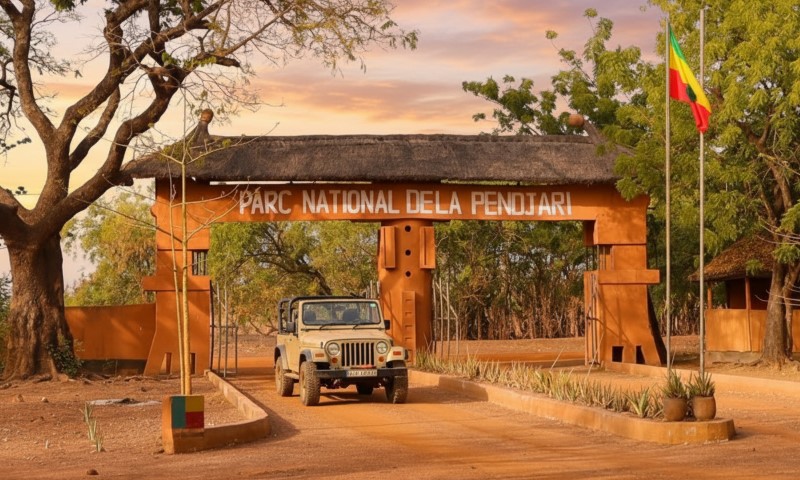
Pendjari National Park ranks among West Africa’s most important wildlife sanctuaries.
It forms part of the W-Arly-Pendjari transboundary conservation complex, a UNESCO World Heritage Site recognized for biodiversity conservation across:
- Benin
- Burkina Faso
- Niger
Protection under this designation supports coordinated wildlife management across national borders and strengthens habitat preservation for wide-ranging species.
Coverage within the wider WAP complex protects one of the largest remaining intact ecosystems in West Africa.
Endangered megafauna, including lions and elephants, maintain viable populations here at a scale rarely found elsewhere in the region.
Conservation efforts across connected reserves sustain migration routes and genetic continuity.
Pendjari is frequently described as the crown jewel of West Africa’s traditional safari destinations.
Exploring such an expansive ecosystem is often made possible by experienced safari partners like Naturetrek that offer guided wildlife experiences and help promote responsible wildlife tourism across Africa.
Let us see what those interested in visiting it in 2026 can expect.
What Makes Pendjari Distinct
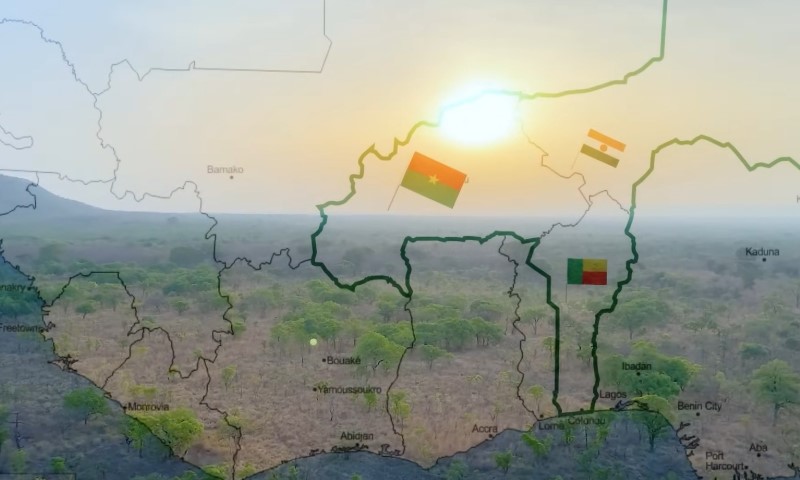
Location in northwestern Benin positions the park along the border with Burkina Faso’s Arli National Park.
Integration within the W-Arly-Pendjari complex connects protected territory across three countries and maintains ecological stability on a regional scale.
Cross-border coordination allows wildlife to move across large ranges without artificial barriers.
Scale plays a major role in ecological resilience. Key figures demonstrate the scope of protection:
- The core park area covers approximately 2,755 square kilometers
- Associated protected zones extend coverage to roughly 4,800 square kilometers in broader conservation reporting
Extensive territory supports wide-ranging mammals such as elephants and lions while limiting habitat fragmentation. Large tracts of uninterrupted savannah and woodland reduce human pressure in central zones.
The name originates from the Pendjari River, a year-round water source that sustains animal populations during prolonged dry periods.
River access strongly influences seasonal wildlife distribution. During peak dry months, movement patterns shift toward permanent water and shaded corridors.
Terrain consists of Sudanian savannah, interspersed with riverine forests and scattered gallery woodlands.
The Atakora foothills introduce moderate elevation changes and rocky outcrops that alter vegetation patterns.
Open grasslands improve visibility during game drives, while wooded strips provide cover for predators and nesting birds.
Ecosystems & Habitat Types
Ecological structure depends on several dominant habitat categories. Primary vegetation zones include:
- Savannah grasslands dominated by acacia and baobab trees
- Riverine forests lining the Pendjari River
- Seasonal floodplains and gallery woodlands
Savannah grasslands support large grazing herds, especially antelope and buffalo.
Baobab trees act as moisture reservoirs and seasonal feeding sites for certain species.
Riverine zones concentrate wildlife activity due to reliable water and thicker vegetation cover.
Seasonal floodplains and waterholes draw herbivores and predators in high numbers during the dry season.
As surface water declines across open plains, animals converge around remaining sources, increasing viewing opportunities.
Habitat variation sustains species composition that remains uncommon in other West African reserves.
Open plains allow grazing herds to expand, while wooded corridors create refuge for elusive carnivores and smaller mammals.
Rare Sightings & Conservation Significance
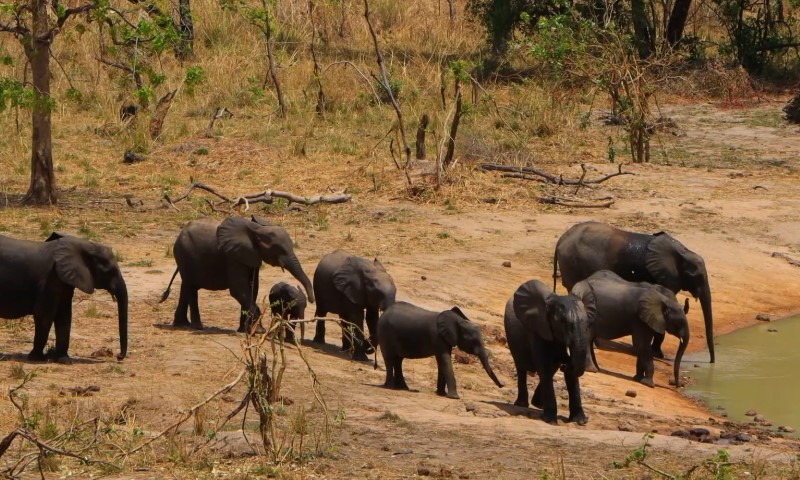
Elephants represent one of West Africa’s largest remaining populations. Herds move across the savannah and river corridors in response to seasonal water availability. During dry months, gatherings near permanent water can include multiple family groups.
Lion conservation forms a central ecological priority within the park and the wider WAP region. Concentration levels underscore the area’s importance:
Roughly 90% of West Africa’s remaining lion population is located within the WAP complex and associated reserves
Population stability in this network directly influences long term survival of the West African lion. Continuous territory across borders supports genetic exchange and reduces isolation.
Other large mammals contribute to predator prey balance. Regular sightings often include:
- Hippos along sections of the Pendjari River
- Buffalo herds on open plains
- Roan antelope and kob in mixed grazing groups
- Warthogs and additional medium sized herbivores
Predator presence extends further, though encounters remain infrequent. Cheetahs, leopards, and hyenas inhabit protected sectors but require patience and favorable timing for observation.
Anti-poaching enforcement and habitat management aim to stabilize and gradually increase these carnivore populations.
Avian populations add another layer of ecological value. More than 300 bird species have been recorded. Birdwatchers may encounter:
- Raptors circling above open savannah
- Waterbirds clustered along riverbanks and wetlands
- Seasonal migrants using the park as a stopover site
Status as a lion conservation unit within the WAP framework reinforces global ecological importance.
The concentration of approximately 90% of West Africa’s lions within this connected territory requires sustained oversight and funding.
Core priorities include:
- Reducing poaching through strengthened ranger patrols
- Protecting habitat through controlled access and monitoring
- Supporting local communities to align conservation and economic interests
Scientific monitoring, consistent enforcement, and community engagement form the foundation for long term wildlife survival.
When & Why – Best Times for Wildlife Viewing & Conditions
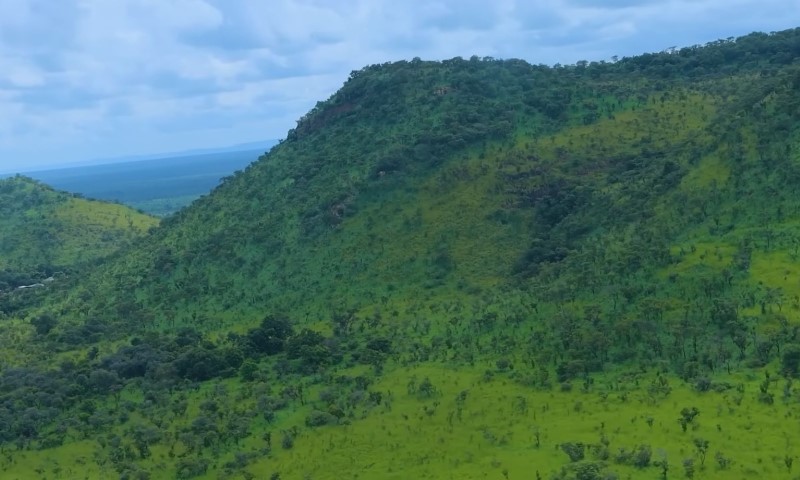
Dry season spans November through April and offers optimal wildlife viewing conditions. Vegetation thins across open plains, increasing visibility during drives. Animal concentrations rise near rivers and permanent waterholes as temporary pools disappear.
Daily activity patterns influence scheduling decisions. Strongest movement typically occurs during:
- Early morning hours after sunrise
- Late afternoon before dusk
Cooler temperatures stimulate predator movement and grazing activity among herbivores. Midday heat often reduces visible activity, particularly among large mammals.
Wet season extends from May through October and transforms vegetation cover into dense green growth. Travel logistics become more complex due to muddy tracks and periodic flooding in low lying areas. Wildlife disperses more widely as water becomes accessible across broader territory, reducing clustering near major river sections.
Logistics & Travel Routes
Road travel remains the primary access method for most visitors. Distance and driving time vary depending on departure city. Approximate travel durations include:
Eight to ten hours by road from Cotonou, including mostly paved sections followed by four wheel drive tracks toward Tanguiéta and park gates
- Five to six hours by road from Ouagadougou in Burkina Faso
- Five to six hours by road from Niamey in Niger
Border crossings and regional security conditions require advance review. Seasonal road quality can influence travel time, particularly during rainy months.
Vehicle choice significantly affects mobility inside protected areas. Four wheel drive vehicles are strongly recommended for internal park tracks and remote approach roads. Uneven terrain and sandy stretches demand reliable traction and clearance.
Limited services near entry points require careful preparation. Essential supplies should be secured in Tanguiéta before entering the park. Priority items include:
- Fuel
- Drinking water
- Basic food provisions
- Emergency vehicle supplies
Advanced planning reduces logistical complications during high visitation periods between November and April.
How to Experience Pendjari
Independent access remains possible with thorough preparation. Park regulations frequently require licensed guides to ensure navigation accuracy and wildlife safety.
Self-drive exploration demands careful route planning and vehicles capable of handling rough tracks.
Organized three-day safari packages offer structured access and simplified logistics. Typical inclusions often cover:
- Accommodation at lodges or premium safari camps
- Guided game drives led by experienced trackers
- Park entrance fees
- Transfers from regional hubs such as Cotonou
Experienced guides increase sighting success by interpreting animal tracks and seasonal movement patterns.
Elephants, lions, and key bird species form central viewing targets. Extended morning and afternoon sessions improve chances of observing active predators and grazing herds.
Daily rhythm of game drives aligns with wildlife behavior. Morning drives prioritize carnivores active in cooler conditions.
Late-afternoon excursions frequently focus on elephant movements toward watering areas.
Gradual shifts in light during late hours also enhance photography conditions and animal visibility.
Best Camps & Lodges for 2026
Pendjari Lodge remains a leading accommodation option near primary entry points. Comfortable rooms or safari-style tents combine with on-site dining and guided drives. Proximity to major tracks allows efficient departure for early morning safaris.
Natitingou and nearby towns function as staging bases before entering protected territory.
Properties such as Hotel Tata Somba provide practical overnight stays and access to essential services. Road connections facilitate early departures toward park gates.
On site bush camping provides closer contact with wildlife sounds and night skies. Advance reservations are recommended during peak season between November and April.
Facilities may be simple yet allow extended stays within conservation zones.
Premium operators arrange customized safari stays tailored to specific interests. Enhanced options may include:
- Private game drives
- Dedicated guides and vehicles
- High quality meals prepared on site
- Flexible scheduling for photography or focused wildlife observation
Tailor made programs suit photographers, conservation focused visitors, and travelers seeking elevated comfort while maintaining access to prime wildlife areas.
Sample Itineraries for 2026 Visits
View this post on Instagram
Short stays of three days concentrate activity around high density wildlife areas. Typical structure may follow a clear progression.
Day one centers on arrival and a sunset drive near waterholes where elephants and antelope gather in late afternoon light.
Day two dedicates full daylight hours to extended game drives with designated picnic stops inside approved zones. Predator tracking and bird observation receive focused attention.
Day three features an early morning safari timed with peak activity prior to departure.
Longer stays of four to five days expand geographic coverage across multiple sectors.
Additional time allows repeated visits to river corridors and open plains where movement patterns shift daily.
Relaxed evenings at lodges create space for rest between intensive drives while increasing overall sighting potential.
Summary
Pendjari National Park represents an authentic African safari destination that receives far fewer visitors than major East or Southern African reserves.
Large mammal populations, extensive protected territory, and over 300 bird species create compelling wildlife opportunities.
Role within the W-Arly-Pendjari conservation complex makes the park critical for survival of West Africa’s lions and elephants.
Concentration of roughly 90% of the region’s lions within this network underscores global ecological significance.