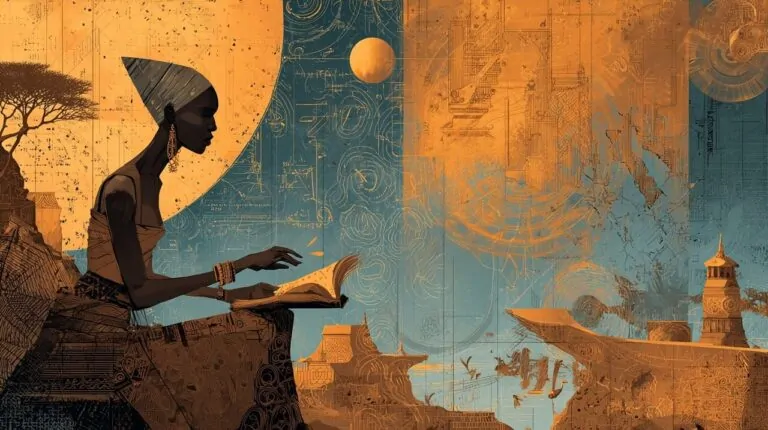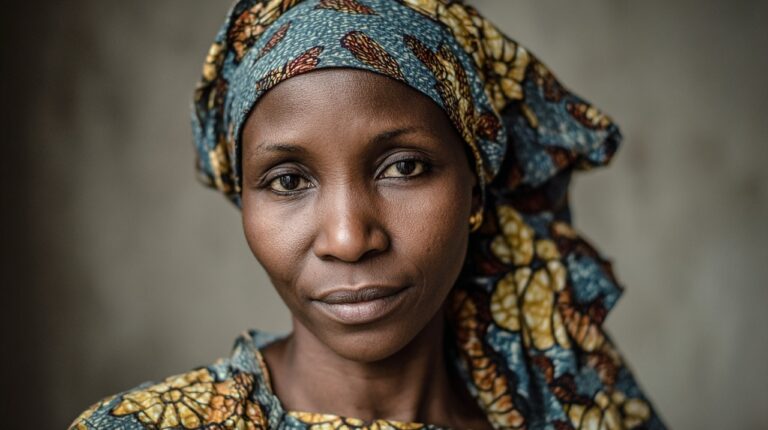

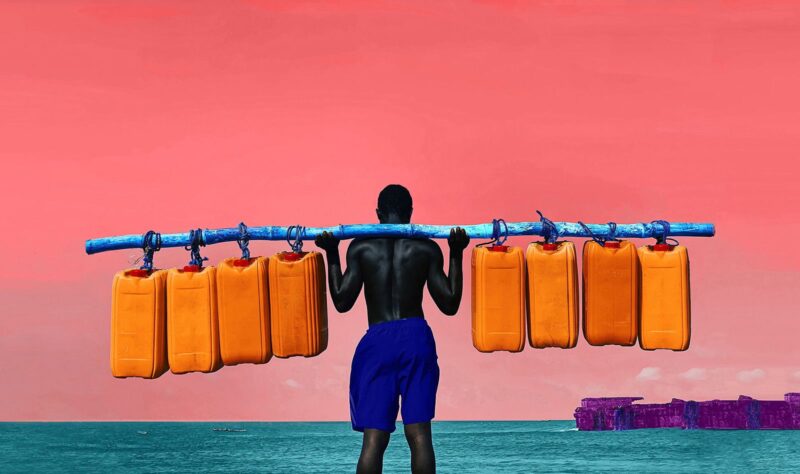
Contemporary West African visual culture is being reshaped by artists who author their own images and assert control over representation. Bold color, stylized composition, and personal storytelling replace inherited visual codes tied to colonial documentation and external authority.
Prince Gyasi emerges as a central figure within this movement through photographic work that centers joy, imagination, and emotional truth.
Projects such as Color of Childhood use saturated color and intimate portraiture to counter narratives shaped by:
- Crisis
- Scarcity
- Distance
Visual artists working across West Africa increasingly position image-making as an act of self-definition and cultural authorship. Creative practices rooted in community experience challenge global expectations and propose new ways of seeing African life.
Prince Gyasi, his Biography and Artistic Vision

Prince Gyasi was born in 1995 in Accra, Ghana, and developed his practice as a self-taught visual artist shaped by his immediate environment and lived experience. Photography operates as his primary medium, with an iPhone serving as his main camera.
Use of mobile technology functions as a deliberate artistic position that questions institutional standards of legitimacy and expands access to image-making across economic lines.
Early career momentum led to international visibility. Presentation of his work entered global contemporary art circuits through key platforms that introduced his visual language to audiences outside Ghana. Exhibition history includes:
- Representation by Nil Gallery in Paris
- Participation in art fairs such as 1-54
- Inclusion in Sydney Contemporary
Stylistic and thematic choices define Gyasi’s artistic identity with clarity and intention. Color functions as a central narrative force within his images. Saturated tones act as emotional signals rather than decorative elements.
View this post on Instagram
Personal synesthesia informs his approach, allowing color to be experienced as sensation and memory rather than surface detail.
Subjects often emerge within familiar social circles in Accra, grounding experimental visuals in lived community experience. Visual construction frequently places figures against altered skies, painted walls, and digitally enhanced settings.
Such compositional decisions serve several purposes at once:
- Amplification of Black skin tones
- Rejection of Western beauty standards tied to neutrality
- Assertion of visual confidence and presence
Storytelling remains rooted in community realities. Family relationships, economic struggle, endurance, and hope appear repeatedly across his practice.
Series such as Agony of an Orphan and The Wait 2 prioritize emotional interiority over spectacle, anchoring visual intensity within social truth.
Color of Childhood and Narrative Reclamation
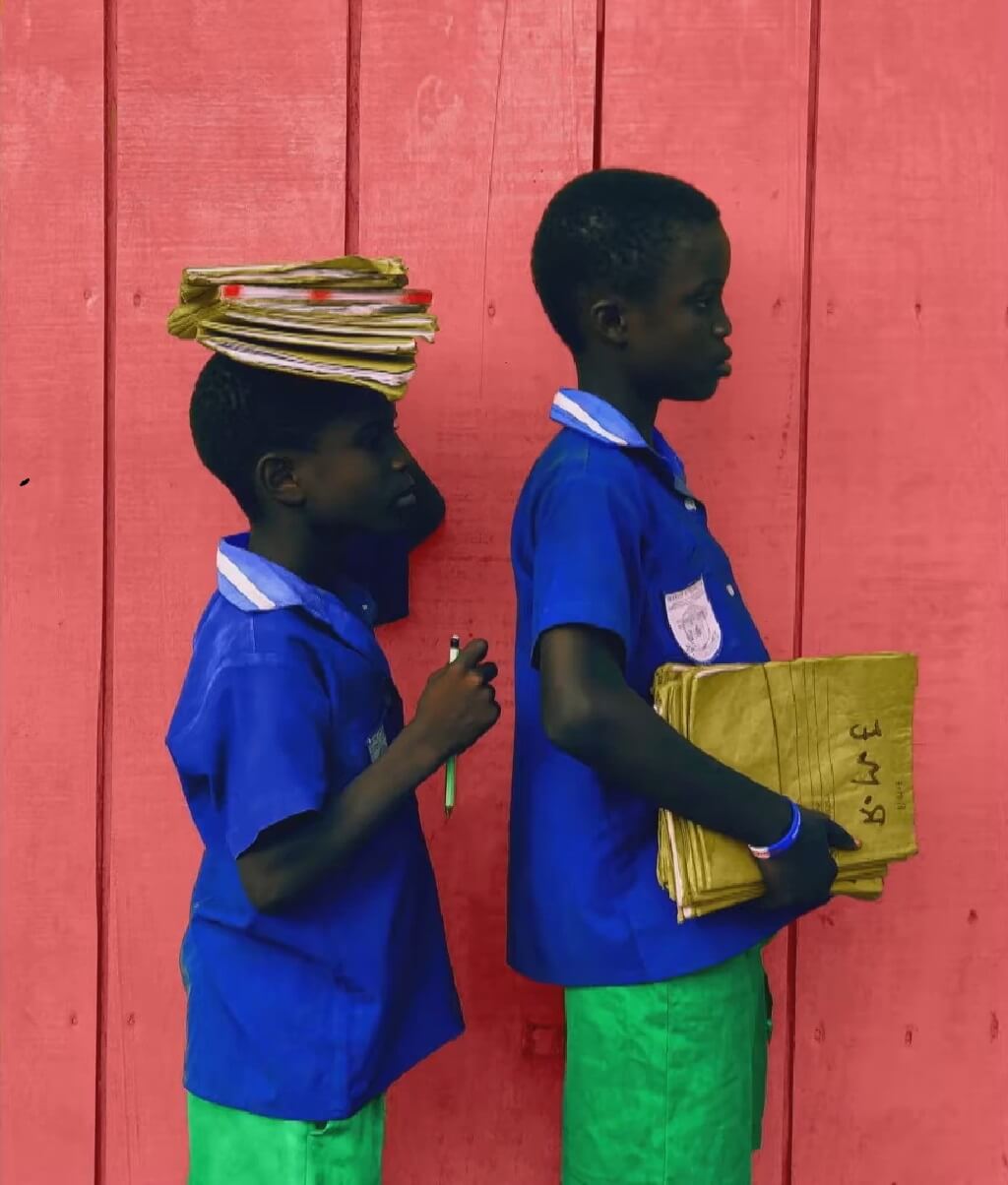
Color of Childhood centers joy, imagination, and emotional honesty as responses to dominant portrayals of African life shaped by crisis and lack. Visual scenes emphasize playfulness, curiosity, and tenderness while still acknowledging hardship without reducing subjects to symbols of suffering.
Artistic practice and social engagement function as interconnected forces. Gyasi co-founded Boxed Kids, a nonprofit organization that supports educational access within underserved communities in Accra.
The relationship between art and activism operates through shared values rather than separation. Work associated with Boxed Kids reflects commitments that include:
- Support for youth education
- Community investment tied to creative practice
- Long term social responsibility
Narrative reframing takes shape through visual care. Saturated color and digital manipulation act as tools of cultural healing that resist documentary traditions built on distance and objectivity. Image making becomes a therapeutic act that affirms dignity, complexity, and emotional truth.
Aesthetic disruption defines the series through the coexistence of surreal digital edits and grounded local settings. Refusal of expectations tied to African photography as strictly realist or ethnographic asserts artistic authorship and visual freedom on its own terms.
Global Recognition and Influence
View this post on Instagram
International collaborations expanded Gyasi’s visibility across fashion, media, and art institutions. Partnerships introduced his work to wider audiences while maintaining visual integrity. Collaborative projects include work with:
- Apple
- GQ
- Pirelli
Contribution to the Pirelli Calendar, curated by Pharrell Williams, marked a significant moment in his international profile and reinforced his position within contemporary visual culture.
Critical recognition followed. Artsy named Gyasi as one of five global artists to watch, citing innovation in medium, bold imagery, and cultural impact. Influence extends strongly toward younger artists who view mobile photography as a valid professional tool.
African Visual Artists Reclaiming Narrative
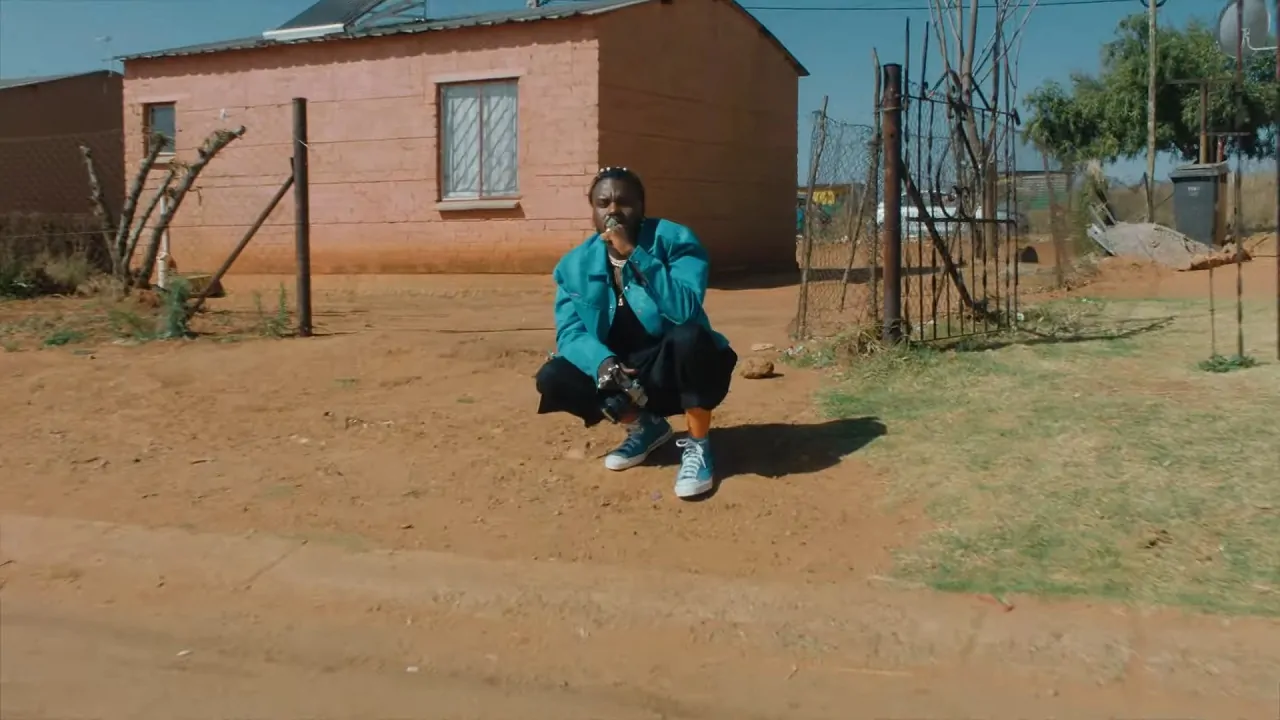
African visual artists increasingly operate with intentionality, producing images rooted in self-definition rather than inherited colonial frameworks. Photography, video, mixed media, and digital experimentation serve as vehicles for cultural reclamation and future-focused storytelling.
Visual sovereignty shapes this movement. Artists assert authority over representation while prioritizing dignity, nuance, and imagination. Prince Gyasi operates as a visible example of this shift, aligning personal vision with collective cultural agency.
Creative expansion continues across multiple formats, including mixed media, virtual reality, and conceptual art. African visual culture demonstrates adaptability and formal range while maintaining strong ties to local experience, memory, and communal presence.
Summary
Prince Gyasi’s photographic practice reshapes how West African identity is seen and felt within contemporary visual culture.
Work rooted in Accra reaches global audiences through color, emotional clarity, and intentional authorship, rejecting narratives defined by limitation or distance.
Creative output centered on Color of Childhood affirms joy, imagination, and care as valid subjects of African storytelling.
Visual language built through mobile photography, saturated color, and community presence challenges long-standing hierarchies tied to tools, institutions, and representation.