
Talking about wealth in African music requires restraint and honesty. Lists filled with exact net worth figures often rely on recycled claims, fabricated rankings, or misunderstood headlines. A more responsible way to approach the subject in 2025 looks at earning power, business ownership, and scale that can be reasonably observed over time.
African music now operates inside a global system. Touring routes stretch across continents. Streaming revenue flows internationally. Brand partnerships and business ventures sit alongside albums and singles. Wealth, in that sense, is not a single number. It is a pattern.
The artists discussed below appear consistently in that pattern. Each one combines music income with business activity or structural leverage that goes beyond a hit record.
1. Akon
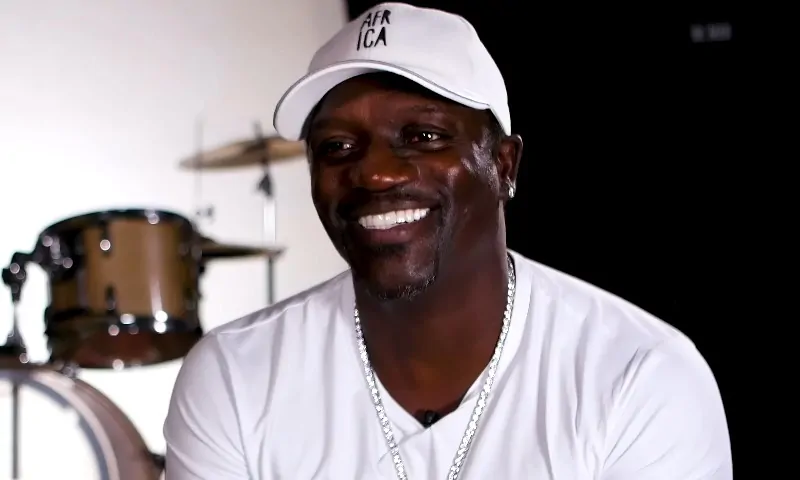
Akon remains one of the most unusual figures in African-linked music wealth. His career spans early 2000s global pop success, label leadership, and highly publicized ventures outside music.
From a purely musical perspective, his catalog continues to generate income across markets. More importantly, he moved early into executive roles, using label structures to earn from other artists rather than relying only on his own releases. That shift alone places him in a different financial category than performers who never built ownership stakes.
His non-music ventures draw even more attention. Akon Lighting Africa positioned itself as a large-scale infrastructure initiative, often citing an average cost of roughly $75,000 per village in public communications.
Whether one focuses on praise or criticism, the project reflects access to partners, capital conversations, and branding opportunities that most musicians never reach.
“Akon City” followed a similar pattern. Reported by Le Monde as a multi-billion-dollar development concept, it faced delays and government pressure in 2024. Even so, projects of that scale tend to exist only around individuals with significant financial networks or the ability to attract them.
Akon’s wealth profile in 2025 rests on diversification, visibility, and dealmaking reach rather than simple music sales.
2. Youssou N’Dour
Youssou N’Dour represents a different path to wealth, built on longevity and media ownership.
His music career alone spans decades of touring, recording, and international recognition. That catalog continues to earn across generations, especially in live performance and licensing contexts. What elevates his financial standing further is his ownership of major media assets.
Multiple mainstream outlets have reported that N’Dour owns Futurs Medias, a group that includes radio station RFM, television channel TFM, and the newspaper L’Observateur.
Media ownership changes the financial equation entirely. Advertising revenue, political relevance, and cultural influence all intersect in ways that music income alone cannot match.
Media businesses also face pressure. Public Media Alliance summarized restructuring challenges for Futurs Medias in 2025 amid broader financial stress in private media. That reality does not erase the underlying value of ownership. It reinforces the idea that N’Dour’s wealth is rooted in long-term assets rather than short-term trends.
3. Black Coffee (South Africa)
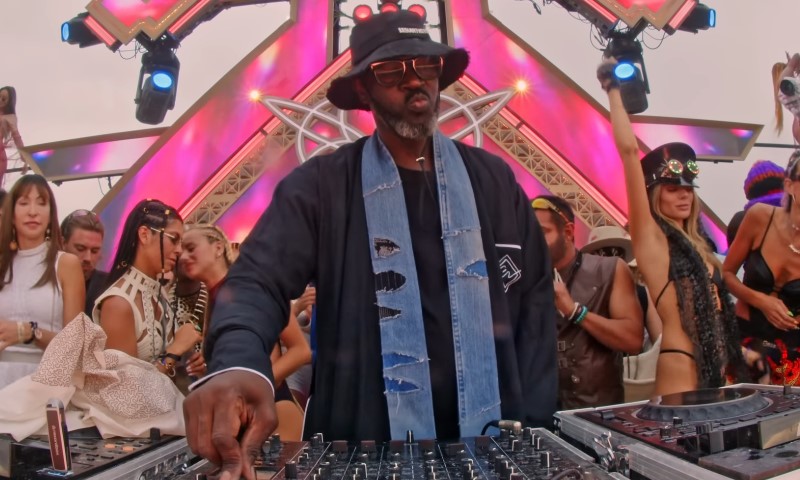
Black Coffee’s position on any list of wealthy African musicians reflects the economics of elite global touring.
As a DJ and producer, his income structure differs from traditional pop stars. The core driver is international demand. Headline festival slots, high-fee appearances, and residencies form a consistent revenue stream.
Awards and global recognition reinforce his bargaining power, allowing fees to remain high year after year.
The broader market context supports his standing. Reuters reported strong growth in streaming royalties and exports for South African artists, indicating sustained global interest. That environment benefits artists like Black Coffee, who already operate at the top tier of international bookings.
His wealth profile in 2025 is defined by consistency rather than spectacle. Touring fees, brand partnerships, and selective investments create a stable, high-income structure that does not depend on constant chart presence.
4. Davido (Nigeria)
Davido’s financial position illustrates how modern Afrobeats translates popularity into money.
Touring sits at the center of his earnings. Large venues, diaspora-heavy markets, and repeat international routing create substantial live revenue. Endorsements add another layer, particularly when brands operate across Africa, Europe, and North America.
Industry reporting provides useful context. Reuters noted that Nigerian artists collectively earned about 58 billion naira in Spotify royalties in 2024, alongside strong export growth. That growth benefits artists with global recognition and extensive catalogs.
Business outlets have cited internal forecasts suggesting Davido’s operation has surpassed $20 million in peak-year earnings when touring, royalties, merchandise, and endorsements align. Forecasts are not audited statements, but they indicate scale.
In 2025, Davido’s wealth rests on infrastructure. Teams, partnerships, and brand alignment support income that goes beyond individual releases.
5. Wizkid
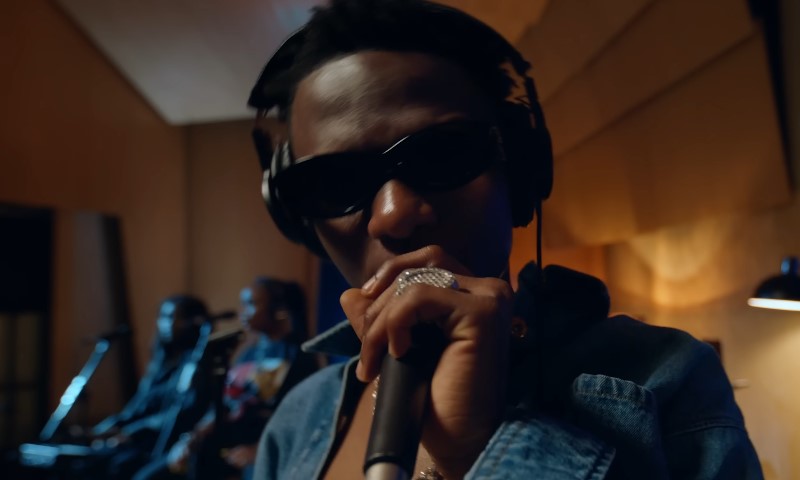
Wizkid’s case centers on endurance. His catalog continues to perform across platforms and regions, generating recurring income rather than one-time spikes.
International touring remains strong, particularly in markets with large African diaspora populations. Brand partnerships reinforce that stability, often renewing over multiple years.
The broader shift toward borderless streaming works in his favor. Platforms increasingly reward artists whose music travels easily across language and cultural boundaries. Wizkid’s wealth profile reflects accumulated leverage built over time rather than aggressive diversification.
6. Burna Boy
Burna Boy’s earnings logic closely tracks his live performance dominance.
Arena-level shows, festival headlining slots, and premium ticket pricing drive much of his income. Streaming and catalog performance support visibility, but touring remains the primary engine.
Reuters referenced Burna Boy among globally recognized Nigerian artists benefiting from the surge in royalties and international demand reported in 2024.
Brand partnerships and publishing add secondary income streams. His position in 2025 reflects how live performance scale amplifies every other revenue channel.
7. Tyla
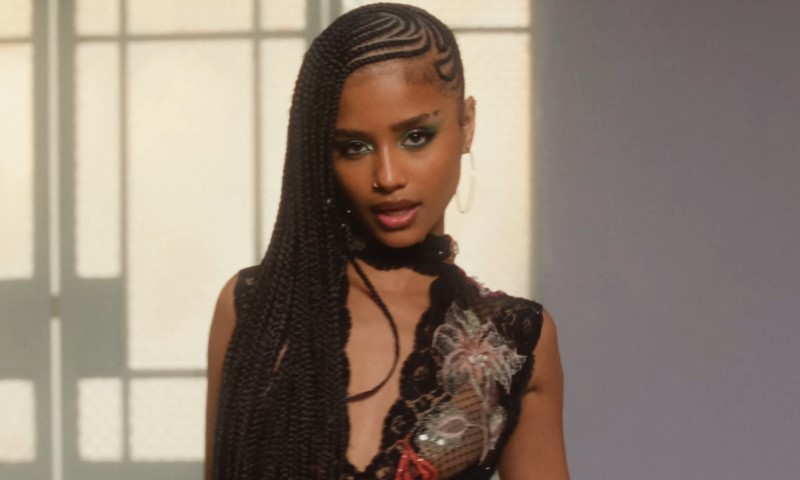
Tyla represents a different point on the wealth curve.
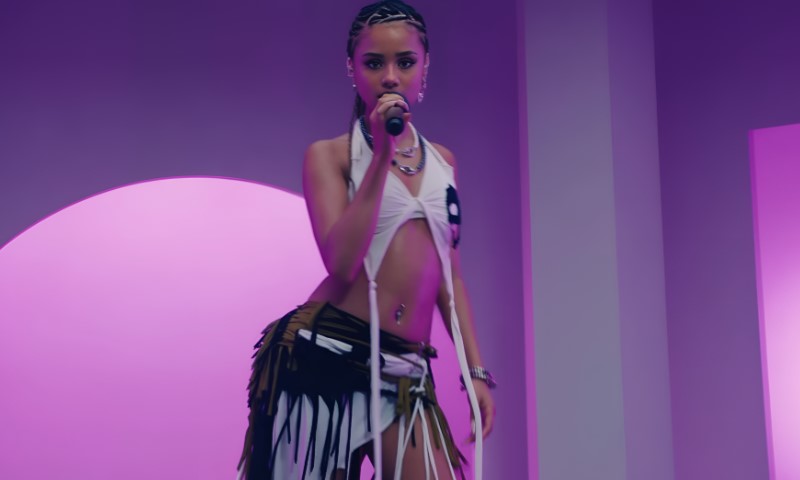
Her global breakout places her at an early but steep phase of financial growth. Advances, renegotiated contracts, and rapid brand interest often follow that kind of success. Reuters cited Tyla in discussions of South Africa’s growing international music presence, reinforcing her relevance beyond local markets.
Artists at this stage rarely display the same asset depth as legacy figures. Their wealth potential lies in the trajectory. In 2025, Tyla’s financial profile reflects momentum rather than maturity, but that momentum places her among the most financially promising African artists.
8. Don Jazzy
Don Jazzy’s wealth narrative centers on control. As a producer and label executive, he operates from a position that captures upside from multiple artists.
Executive and ownership models often outperform pure performance income over time because they spread risk and reward across a roster rather than a single career.
Exact figures are rarely verifiable, and repeating them adds little value. What matters is structural position. In 2025, Don Jazzy’s influence and earnings derive from being the platform rather than only the product.
9. Sarkodie
View this post on Instagram
Sarkodie’s financial strength comes from sustained authority within his region.
Long-term brand recognition supports premium touring, endorsement deals, and publishing income. Regional dominance may not always attract global headlines, but it often produces reliable cash flow and strong negotiating power.
His position reflects durability. Wealth here accumulates steadily rather than explosively.
10. Angelique Kidjo
Angelique Kidjo represents a wealth profile built on decades rather than cycles.
Her catalog continues to earn. Touring remains consistent. International recognition supports licensing and collaborative projects. Artists with that level of longevity often experience fewer dramatic peaks but enjoy stable income over long periods.
In 2025, Kidjo’s financial standing reflects the value of time, reputation, and sustained demand.
Why Precise Net Worth Figures Miss the Point
The strongest takeaway from examining the richest African musicians in 2025 is not a ranking. It is a pattern.
Wealth at this level comes from ownership, scale, and repeatable demand. Industry-wide data shows why the environment now supports larger outcomes for African artists than ever before. It does not justify fabricated lists or exact figures presented without evidence.
A responsible discussion focuses on structure. Who owns assets? Who controls catalogs? Who fills arenas year after year? Who builds businesses that outlast album cycles?
That is where real wealth lives in African music today.