

“Safest” in West Africa is not a single label you can stamp across a whole map and call it done. Conditions shift by region, season, and local politics. A week at a coastal resort with pre-arranged transfers carries a very different risk profile than an overland trip near northern border zones.
A useful answer to Safest Countries In West Africa For Tourists has to be practical rather than romantic. The goal is not to promise zero risk. The goal is to point travelers toward places where risks tend to be limited, localized, and easier to plan around.
The most reliable way to do that combines three inputs.
- What major government travel advisories say right now, both at country level and region level
- What large, data-driven safety indices show about conflict and terrorism patterns, especially the Sahel spillover
- What baseline crime and violence indicators suggest, while admitting the limits of cross-country reporting
When those layers line up, a clear pattern emerges. Coastal and island destinations consistently appear more manageable for tourists than inland routes tied to Sahel conflict corridors.
In those coastal countries, the main concerns tend to be petty crime, specific neighborhoods, or well-defined border regions rather than nationwide instability.
Quick Shortlist For Typical Tourist Itineraries
Based on current U.S. Travel Advisory levels and how risks are described by region, several countries come up again and again as reasonable starting points for non-adventurous travel styles.
- Senegal: Level 1 overall, with a clearly flagged higher risk region in the south
- Cabo Verde: Level 1 overall, with increased caution mainly in the capital due to crime
- Ghana: Level 2 overall, with specific northern border regions flagged more strongly
- Benin: Level 2 overall, with explicit “do not travel” guidance for northern and northeastern borders
- The Gambia: Level 2 overall, driven by petty crime, unrest context, and limited health infrastructure
That list does not mean risk-free travel. It means the dominant risks usually sit in places you can avoid or manage rather than defining the entire country.
Why West Africa’s Safety Map Looks Uneven Right Now
The most important regional factor is the Sahel belt. Jihadist insurgencies and cross-border conflict dynamics have intensified over recent years, and the data is stark.
According to the latest Global Terrorism Index, the Sahel accounted for 51% of global terrorism deaths in 2024.
Conflict deaths in the region exceeded 25,000 for the first time, with 3,885 deaths attributed to terrorism in the Sahel alone that year.
For tourists, that matters less as an abstract statistic and more as a map overlay. Risk rises sharply in certain inland corridors and border zones, even when coastal capitals feel calm and functional.
The second factor is how travel advisories work. The U.S. Department of State uses a Level 1 to Level 4 framework, plus risk indicators like Crime, Terrorism, Unrest, and Health. Advisories are updated on a schedule and whenever conditions change significantly.
In plain language, advisories are structured risk communication, not vibes. They are meant to signal how problems could affect travelers and how much assistance a government can realistically provide.
A Simple Way To Compare Countries Before Booking
A three-layer filter helps keep planning grounded.
Layer 1: Country Level Advisory
Level 1 or Level 2 does not equal safe. It usually means risks are present but not dominant across the entire country.
Layer 2: Region Level Carve Outs
Many “safe enough” countries contain areas that clearly are not. The difference between a relaxed trip and a stressful one often comes down to respecting those carve-outs.
Layer 3: Your Travel Style
- Resort-based travel lowers exposure to street crime but raises dependence on transport and health systems
- City heavy itineraries raise petty theft and nightlife risk
- Road trips and overland travel elevate border stability and road safety above almost everything else
What The Advisories Actually Emphasize
One high-impact takeaway from that table is boring but powerful. Country names do not protect you. Route choices do.
Country By Country Guidance
The sections below break down each country individually, focusing on what current advisories mean in practice, where risks are concentrated, and how travelers can plan routes that stay within well-established, lower-risk areas.
1. Senegal
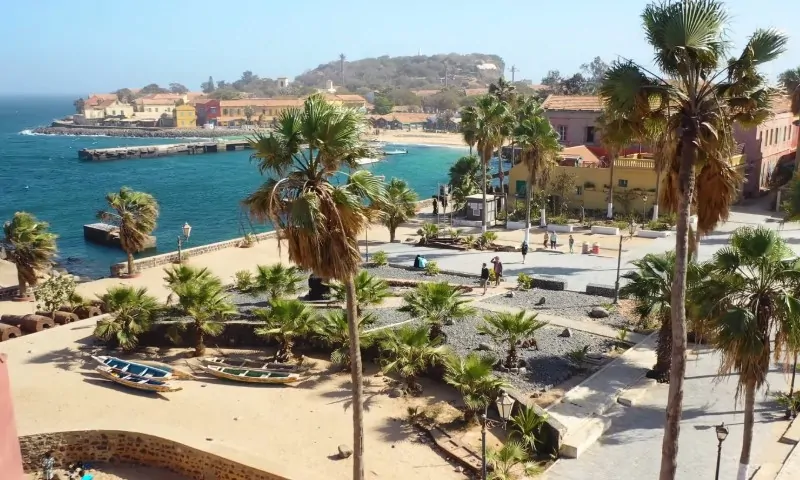
Senegal is often the clearest example of “generally fine if you stay in the right lanes.” The U.S. Travel Advisory sits at Level 1 overall and states plainly that Senegal is generally a safe destination.
The caution is specific rather than vague. The Casamance region in the south carries Level 2 guidance due to crime and landmines, including unexploded ordnance from past conflict.
What Tourists Commonly Face
- Petty theft in crowded areas and markets
- Opportunistic street crime when travelers appear distracted
- Higher risk during nighttime movement outside the central areas of Dakar
How To Plan A Safer Trip
- Keep itineraries focused on Dakar, coastal areas, and established routes
- Treat Casamance as a planned visit with daylight travel and local guidance
- Avoid casual nighttime wandering outside busy districts
Data Point Worth Knowing
World Bank data lists Senegal’s most recent “intentional homicides per 100,000 people” as 0 in 2015. Reporting gaps and under-reporting mean caution is required when comparing countries, but it remains a useful baseline signal alongside advisory language.
2. Cabo Verde
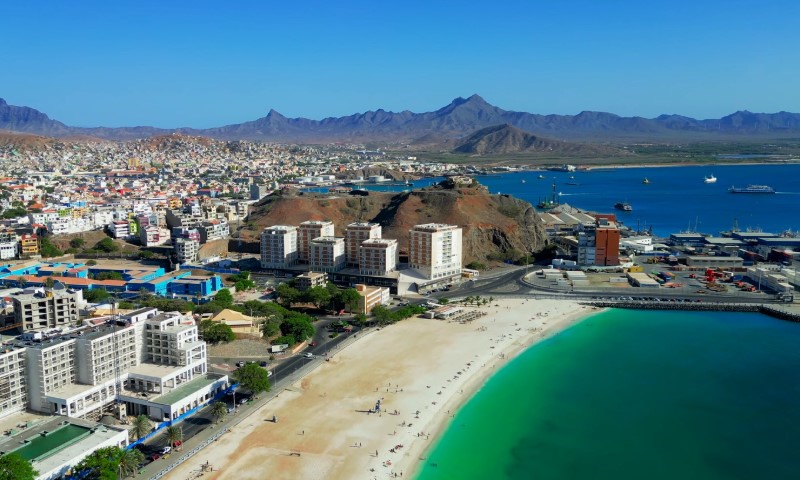
Cabo Verde often feels like the lowest friction entry point into West Africa. The U.S. advisory is Level 1 overall and highlights crime as the primary concern rather than political instability.
Geography matters here. Praia is flagged for increased caution due to higher crime risk, while islands like Sal and Boa Vista are popular for controlled tourism.
UK travel guidance echoes that framing, describing crime as generally low while noting pickpocketing, bag snatching, and incidents in Praia and tourist-heavy islands.
What Tourists Commonly Face
- Pickpocketing around nightlife and beaches
- Occasional muggings tied to late-night isolation
- Situational risk rather than organized targeting
How To Plan A Safer Trip
- Choose accommodation with controlled access and lighting
- Treat late-night walking in Praia as optional rather than routine
- Use official taxis or pre-arranged transport after dark
Data Point Worth Knowing
World Bank figures list Cabo Verde’s “intentional homicides per 100,000 people” at 7 in 2020. The number illustrates a recurring theme. National violence rates and tourist experience do not always move together, especially on islands with concentrated tourism corridors.
3. Ghana
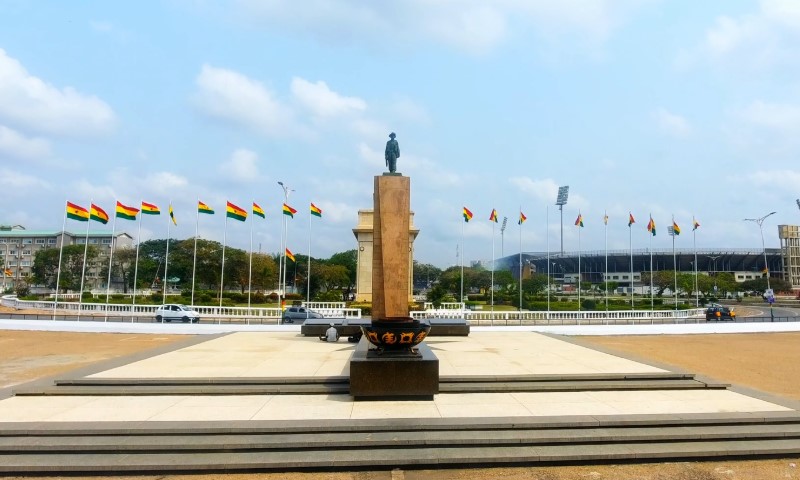
Ghana attracts cultural travelers, business visitors, and first-time West Africa tourists. The U.S. advisory sits at Level 2, citing crime, risks affecting women travelers, and increased caution in certain regions near Burkina Faso and Côte d’Ivoire.
The language is direct. Violent crimes such as carjacking, mugging, assault, and rape do occur, often at night and in isolated locations.
What Tourists Commonly Face
- Phone snatching and petty theft in urban centers
- Transport-related vulnerability after dark
- Elevated risk when traveling alone in quiet areas
How To Plan A Safer Trip
- Plan nighttime movement carefully and keep it limited
- Use trusted drivers or reputable ride services
- Treat northern travel as a deliberate choice informed by advisory detail
Data Point Worth Knowing
World Bank data lists Ghana’s “intentional homicides per 100,000 people” as 2 in 2022.
4. Benin
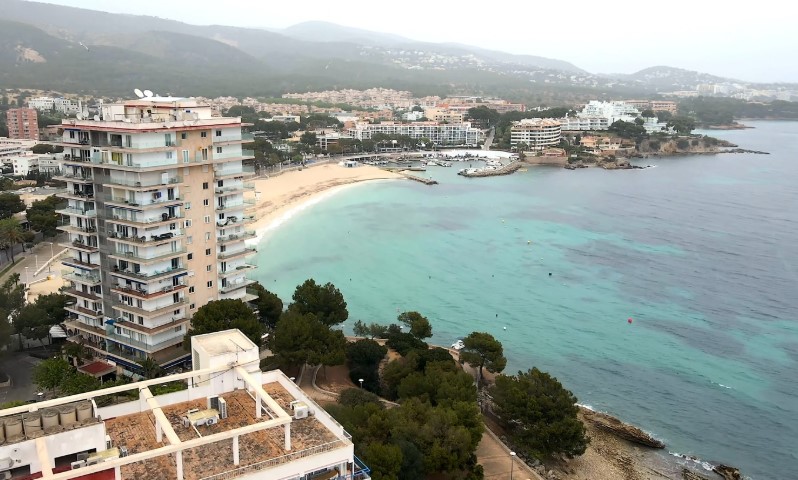
Benin offers strong cultural value through history, heritage sites, and coastal cities, but route discipline matters more here.
The U.S. advisory is Level 2 and lists unrest, crime, terrorism, and kidnapping, with explicit “do not travel” guidance for areas bordering Burkina Faso, Niger, and parts of Nigeria.
UK guidance is more blunt, stating terrorists are very likely to attempt attacks and that places frequented by foreign nationals can be targets.
The difference lies in geography. Southern coastal areas often remain manageable for tourism, while northern zones operate under a different security logic.
What Tourists Commonly Face
- Petty crime in cities and markets
- Higher consequence risk near northern parks and remote routes
How To Plan A Safer Trip
- Treat “do not travel” border guidance as non-negotiable
- Base trips in coastal and southern regions
- Avoid road travel at night outside major cities
Data Point Worth Knowing
World Bank figures list Benin’s “intentional homicides per 100,000 people” at 1 in 2017.
5. The Gambia
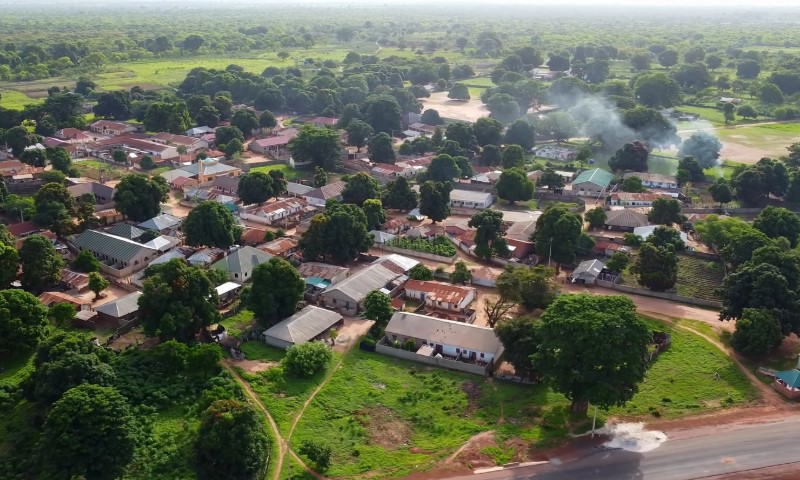
The Gambia is small and tourism-focused, often centered on beach resorts and organized stays. The U.S. advisory is Level 2 and highlights petty street crime, burglaries, and limited health infrastructure.
UK guidance adds seasonal flooding risks, which matter if travel overlaps the rainy season.
What Tourists Commonly Face
- Persistent low-level theft in tourist zones
- Nighttime vulnerability on beaches and quiet streets
- Limited medical capacity in serious health situations
How To Plan A Safer Trip
- Keep valuables discreet and avoid solo nighttime walks
- Treat medical evacuation coverage as essential
- Build transport routines that avoid late-night spontaneity
What the Big Indices Can and Cannot Tell You
Big global safety indices can help frame West Africa’s broader risk picture, but they work best as context and trend indicators rather than tools that predict what a tourist will actually experience on the ground.
Global Peace Index As Context
The Global Peace Index covers 163 countries, 23 indicators, and three domains, including Societal Safety and Security and Ongoing Conflict. It helps explain why certain places feel predictably calm while others fluctuate, but it does not predict individual tourist outcomes.
Global Terrorism Index And Sahel Spillover
The Sahel’s share of 51% of global terrorism deaths in 2024 reshapes travel logic. Inland routes, remote parks, and border crossings near Sahel affected zones demand a higher threshold of planning.
A simple application works well. Tourism centered on coastal cities and islands tends to be easier to manage than itineraries dependent on long overland movement near Sahel corridors.
Practical Safety Playbook for West Africa Travel
View this post on Instagram
Before you set foot on the ground, a few practical habits and planning choices can quietly reduce risk and shape how smoothly a West Africa trip actually unfolds.
Street Crime And Scams
Most tourist problems are non-political and unglamorous. Pickpocketing, bag snatching, opportunistic robbery, and social engineering scams dominate advisory warnings.
Risk-reducing habits that actually help:
- Cross-body bags with zippers in crowded spaces
- Early-day ATM use followed by low-profile movement
- Declining invitations to move into quiet side streets
Transportation Risk Often Matters More Than Crime
Road conditions, nighttime driving, and informal transport create serious risk even where violent crime is limited. Advisories repeatedly warn against night travel in certain contexts.
Helpful adjustments:
- Prefer daytime intercity travel
- Use reputable drivers for longer distances
- Avoid last-minute cross-border plans near flagged regions
Health System Reality Counts
Advisories for The Gambia and other countries highlight limited medical infrastructure and pharmacy regulation.
Minimum planning standards include:
- Insurance that covers evacuation
- A basic medical kit for dehydration, stomach illness, and wound care
- A plan for reaching higher capability care if needed
Final Perspective
West Africa rewards travelers who plan with humility rather than bravado. Coastal and island destinations like Senegal and Cabo Verde often offer the most predictable experiences for tourists, while countries like Ghana and Benin remain viable with disciplined route choices and respect for advisory guidance.
Safety here is rarely about avoiding a whole country. It is about choosing corridors wisely, respecting border warnings, and aligning travel style with local realities. When that alignment happens, West Africa can feel welcoming, vibrant, and deeply human without unnecessary risk.