

Benin often surprises first-time visitors who arrive with modest expectations and leave with lasting impressions.
Visits in recent years reveal a country offering history that feels immediate, belief systems practiced openly, and a daily life that moves at a comfortable pace.
Travel across cities and coastal towns feels accessible, affordable, and refreshingly calm compared to many better-known destinations.
Time spent in places like Ouidah, Cotonou, Ganvié, and Porto Novo reveals why interest continues to grow ahead of 2026.
Stories tied to the transatlantic slave trade are preserved with honesty, Vodun traditions remain active rather than ceremonial, and creative expression thrives in modern art spaces and food culture.
Let us see what is important to know before you actually visit Benin.
Why Benin Is Worth Visiting in 2026
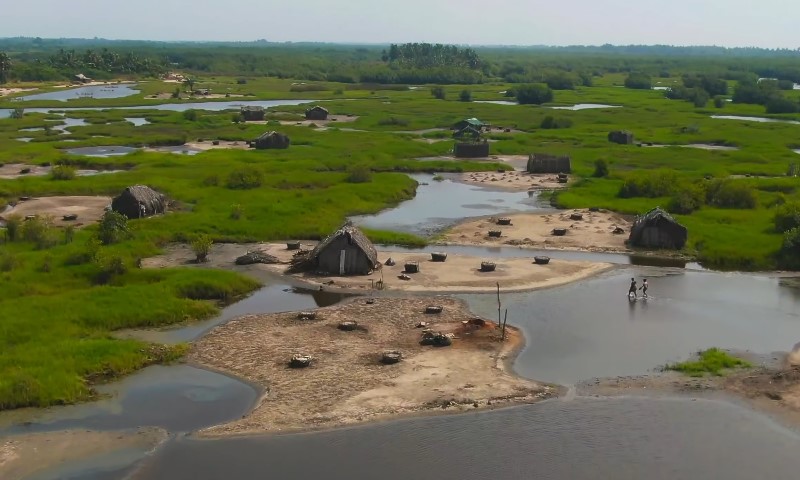
Growing interest in Benin is closely tied to history, belief systems, creativity, and ease of travel.
Multiple layers of past and present coexist in ways that feel visible and accessible to visitors, creating strong reasons to prioritize the country in 2026 travel plans.
Cultural and Historical Significance
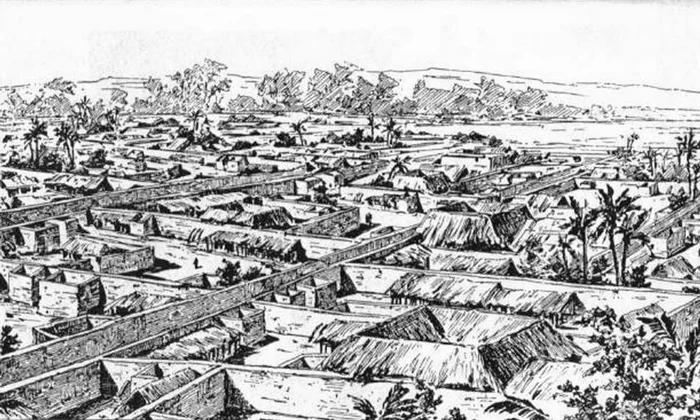
Benin holds a central position in West African history, particularly tied to the transatlantic slave trade and pre-colonial kingdoms.
Ouidah plays a major role in preserving memory and historical truth, offering spaces that confront visitors with difficult realities while providing educational context.
Royal Palaces of Abomey reflect centuries of governance under the Dahomey Kingdom, displaying symbols of power, artistry, and social organization that shaped regional politics.
Ouidah’s Museum of History deepens historical context by connecting earlier kingdoms, colonial intervention, and long-term social change.
Key historical sites that define this experience include:
- Slave Route in Ouidah, retracing the final path taken by enslaved Africans
- Door of No Return, marking a physical and emotional point of departure
- Royal Palaces of Abomey, recognized internationally for cultural preservation
Birthplace of Vodun and Living Traditions
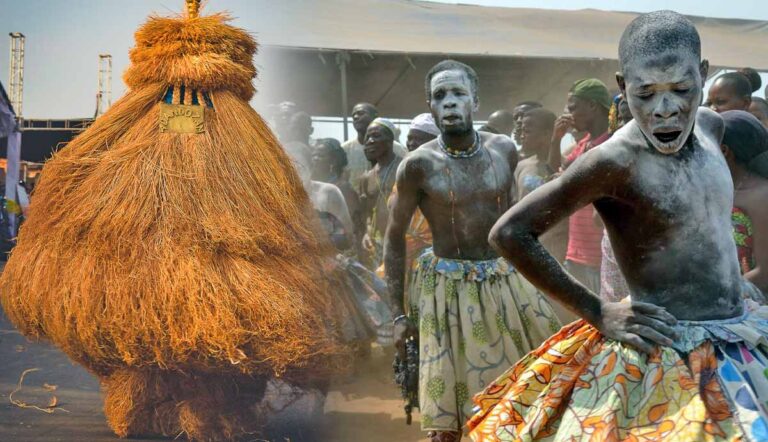
Benin is widely regarded as the spiritual birthplace of Vodun, a belief system still practiced openly and consistently.
Daily life in several communities reflects spiritual continuity through rituals, symbols, and sacred spaces. Ouidah serves as a focal point for Vodun practice, hosting respected religious locations and annual gatherings.
Temple of Pythons remains an active site where snakes are protected rather than feared, reflecting belief systems rooted in coexistence.
January brings the Vodun Festival, transforming streets into public celebrations centered on dance, drumming, and ceremonial attire.
January celebrations typically feature:
- Community-wide ceremonies led by Vodun priests
- Traditional dances are performed in public squares
- Music rooted in ancestral rhythms and storytelling
Contemporary Arts and Culinary Culture
Modern creative expression plays a visible role in Benin’s urban centers.
Cotonou hosts Fondation Zinsou, an institution supporting contemporary African art while connecting present-day expression to historical themes.
Exhibitions rotate frequently, encouraging repeat visits and ongoing dialogue around identity and social change. Food culture adds another layer to daily experience, offering meals that feel both familiar and locally grounded.
Grand Popo and Cotonou restaurants reflect French influence alongside indigenous preparation methods and ingredients.
Signature food experiences often include:
- Tomato-based stews paired with corn or cassava staples
- Freshly grilled fish served near the coastline
- Street food markets offering affordable local meals
Top Reasons Travelers Are Choosing Benin
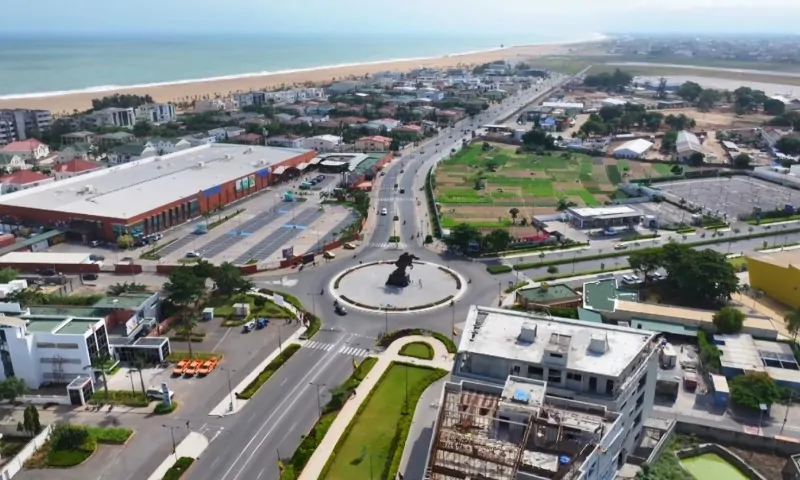
Multiple practical factors influence traveler decisions, especially cost, accessibility, and overall comfort.
Benin continues to attract visitors seeking meaningful experiences without logistical complications.
1. Touring and Travel Logistics
Travel within Benin is relatively simple compared to several neighboring countries.
Ganvié, the well-known stilt village, is organized for visitors and accessible by canoe without complex arrangements.
Road connections linking Cotonou, Ouidah, and Porto Novo support efficient short trips and day excursions.
Transportation options remain straightforward, reducing stress and time spent planning. For organizing your trip, using the best traveling apps can help with itinerary building, flight and hotel bookings, and on‑the‑go navigation.
2. Affordable and Accessible Travel
Travel expenses remain one of Benin’s strongest advantages. Entry costs are low, particularly for Nigerians traveling through land borders.
Transportation between Lagos and the Seme border can cost as little as one thousand naira, making short trips realistic even on limited budgets.
Accommodation ranges widely, allowing travelers to choose between basic guesthouses and comfortable beach lodges.
Food prices stay consistently affordable while maintaining quality and portion size.
Cost-related advantages include:
- Low cross-border transport expenses
- Budget-friendly lodging options across major cities
- Affordable meals in both urban and coastal areas
3. Wildlife and Outdoor Experiences
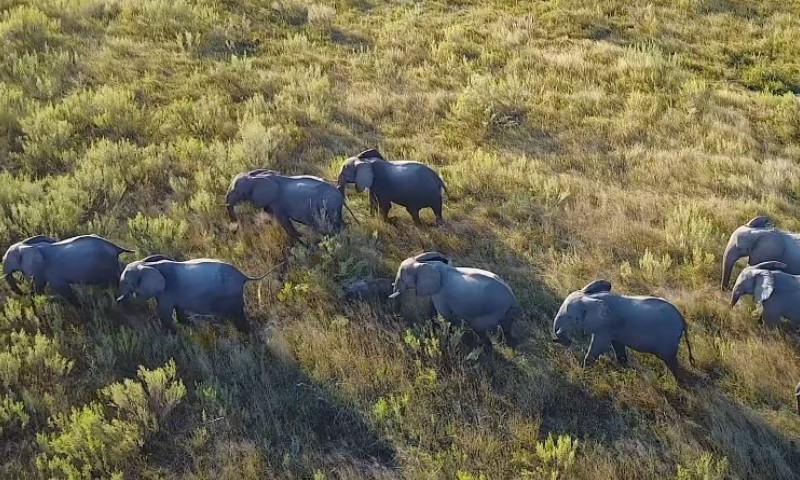
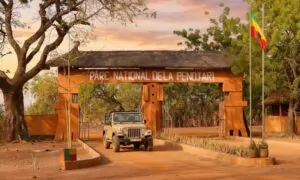
Northern Benin hosts Pendjari National Park, considered one of West Africa’s most rewarding safari destinations.
Protected savannah zones support large mammals and diverse bird species, creating opportunities for wildlife observation without heavy tourism traffic.
Camping and birdwatching add depth to the outdoor activities offered within the park.
Wildlife commonly observed includes:
- Elephants moving across the open savannah
- Lions within protected reserves
- Hippos near river systems
4. Local Culture and Social Atmosphere
Visitors often describe social interactions in Benin as relaxed and welcoming.
Community life feels noticeably calmer once the distance increases away from border towns.
Daily routines provide insight into traditions, family structures, and social norms that vary by region.
Language adds another layer to cultural exchange, as French serves as the primary language while English speakers find frequent opportunities to practice conversational skills.
Positive social experiences often involve:
- Informal conversations with locals in markets
- Shared meals in neighborhood restaurants
- Participation in community events and festivals
Must-Do Experiences in Benin
View this post on Instagram
Experiences across Benin range widely, combining history, daily life, wildlife, and urban culture.
Visit Stilt Village Ganvié
Ganvié is often referred to as the Venice of Africa due to structures built entirely on stilts above Lake Nokoué.
Homes, schools, and markets operate on water, with canoes serving as the primary form of transportation.
Daily routines unfold in plain view, offering visitors close observation of fishing practices, trade, and family life shaped by aquatic living.
Historical Sites in Ouidah
Ouidah offers concentrated access to major historical locations connected to global history.
Route des Esclaves traces forced migration paths, while Door of No Return marks a symbolic endpoint.
The Museum of History ties these elements together by providing broader historical framing connected to regional and international events.
Experience Pendjari National Park
Pendjari National Park sits near the Atakora Mountains and remains a key refuge for endangered species in West Africa.
Guided safaris balance visitor access with conservation priorities, offering meaningful wildlife encounters while supporting sustainable tourism.
Discover Porto Novo
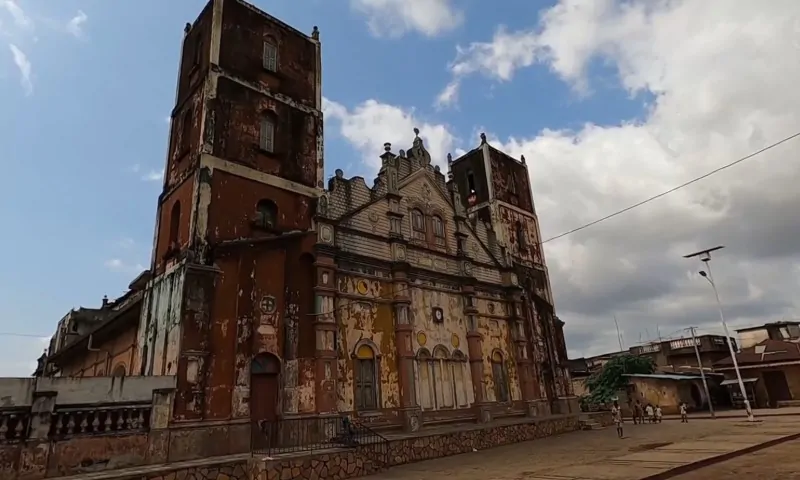
Porto Novo serves as the official capital and carries a quieter pace compared to Cotonou.
The Ethnographic Museum and da Silva Museum provide insight into cultural exchange, religion, and artistic traditions shaped by those historical links.
Market Life in Cotonou
Marche Dantokpa stands as one of the largest open-air markets in West Africa.
Vendors sell a wide range of goods, including:
- Textiles
- Spices
- Electronics
- Produce
- Traditional medicine
Movement, sound, and color dominate the environment, offering a clear view into daily urban life and commercial activity in Benin.
The Bottom Line
Benin Republic delivers an immersive travel experience centered on history, spirituality, wildlife, and relaxation without overwhelming crowds.
Cultural depth, meaningful heritage sites, accessible travel costs, and varied activities make the country a strong choice for travelers seeking something distinctive in 2026.
Benin offers space to reflect, connect, and experience West Africa in a grounded and rewarding way.