
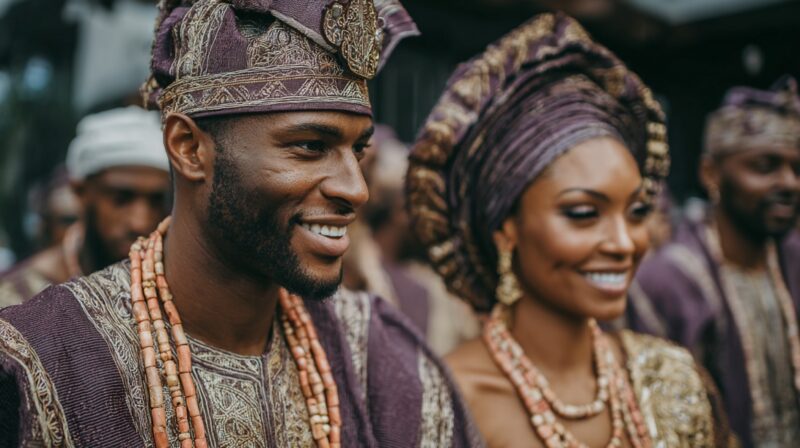
Walk into a wedding anywhere across West Africa, and you will feel it before anyone explains it. Music sits in the walls. Fabric moves like language. Elders carry quiet authority. Laughter, drumming, prayer, teasing, negotiation, and food all share the same air.
Marriage here rarely belongs only to two people. It belongs to families, lineages, and sometimes whole neighborhoods.
West Africa is not a single culture with a single wedding script. Hundreds of ethnic groups, languages, and religious traditions shape how unions are formed and celebrated. Even within one country, ceremonies can look completely different from one city to the next.
Still, shared foundations repeat across the region. Introductions come first. Gifts and bridewealth formalize responsibility. Elders bless and witness. Music and clothing carry meaning. Public celebration seals everything into memory.
Modern weddings often layer multiple ceremonies into one long weekend. A customary rite establishes family legitimacy. A religious ceremony follows, either an Islamic nikah or a Christian church wedding.
Then comes a reception that can feel like a festival with drums, dance, coordinated outfits, praise singers, and tables that never seem to empty.
Shared Foundations Across West Africa
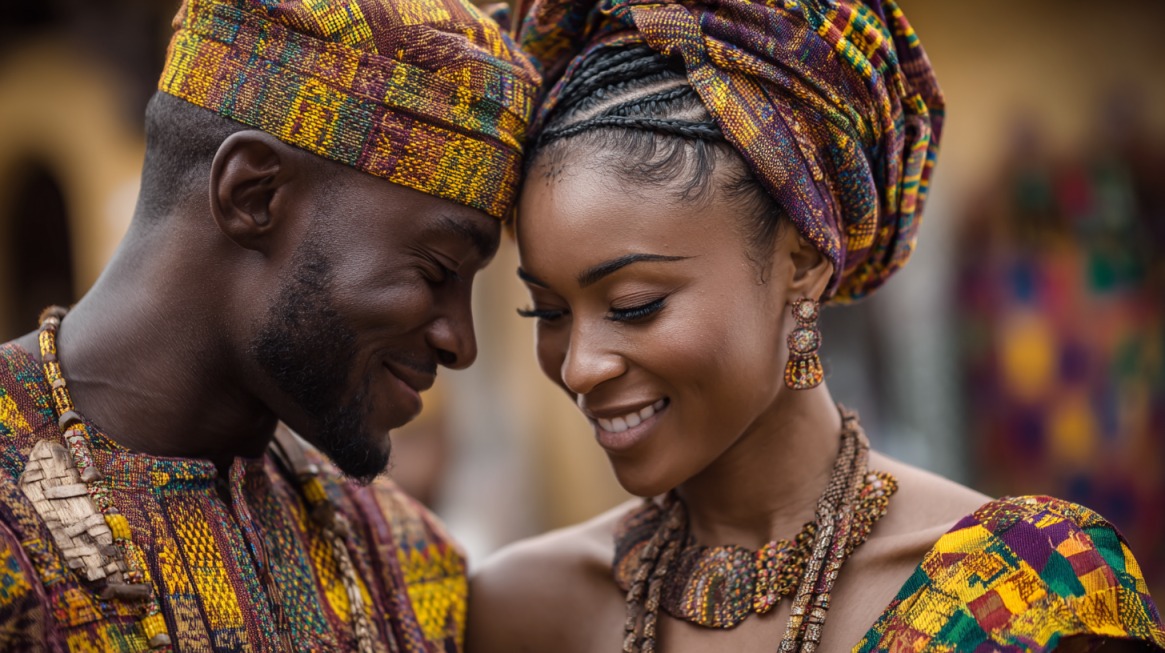
Across countries, languages, and faith traditions, wedding customs in West Africa rest on a set of shared social principles that shape how families meet, give, bless, and publicly confirm a marriage.
Marriage Is Family To Family
In many West African communities, marriage forms an alliance between households and lineages. Personal affection matters, yet family legitimacy remains central.
Introductions, negotiations, and public acknowledgement serve as social proof that a union carries community approval. Even where love matches are common, customary rites still sit at the core.
A wedding without family recognition can feel unfinished to older generations. A wedding with full customary acknowledgment carries public weight that extends into inheritance, child naming, and dispute resolution.
Formal Introductions Come First
Before any large celebration, families often meet in a structured visit. In Ghana, one well-known version is called the knocking ceremony. The groom’s family formally approaches the bride’s family to declare marriage intentions and begin official ties.
Other communities use different names and rituals, yet the purpose stays similar. It marks respect, opens negotiation, and sets expectations.
Bridewealth And Gift Lists
Across West Africa, some form of bridewealth or marriage gifts appears. Sometimes cash is involved. Sometimes, symbolic items, drinks, fabrics, or household goods take center stage.
The purpose is described as respect to the bride’s family and formal recognition of responsibility. Debates about rising cost pressure exist, yet the cultural logic remains strong.
In Ghana, marriage lists often mix customary items with modern goods and beverages. Families negotiate amounts and sometimes soften expectations to ease financial strain.
In northern Nigeria, reporting on bride price practices shows deep cultural commitment alongside concern about affordability and social pressure.
Elders And Public Witnesses
Customary weddings often revolve around elders, family spokespersons, and community witnesses.
Ceremonies frequently center on who can speak for each family, who confirms that obligations have been met, and who offers blessings. Prayers, libation, speeches, and ritual gestures create a public record of legitimacy.
Music, Praise, And Performance
Drumming, dance, and praise singing are part of the ceremony itself. In parts of the Sahel and Senegambia, griots have long served as genealogists and praise singers who preserve family histories.
Weddings provide a public stage for that role. Music announces lineages, celebrates reputations, and energizes collective memory.
Clothing As Social Language
Textiles speak. Fabric signals family affiliation, status, and cultural identity. Kente in Ghana functions as ceremonial dress and has received UNESCO recognition for its craftsmanship as intangible cultural heritage.
In Yoruba contexts, handwoven aso oke holds a strong association with special occasions and status. Coordinated outfits worn by friends and relatives express visible support.
A Quick Map Of Common Elements
| Wedding Element | How It Often Shows Up | What It Signals Socially |
| Introduction Visit | Formal approach by one family to another | Respect, legitimacy, family consent |
| Bridewealth Or List | Negotiated gifts, symbolic items, cash | Responsibility, alliance, public proof |
| Public Blessing | Elders, prayers, libation, speeches | Community witnessing and approval |
| Statement Ritual | Wine-carrying, prostration, offerings | Acceptance of union, visible commitment |
| Uniform Dressing | Friends and family in coordinated fabric | Collective support, social belonging |
| Dance And Praise | Drummers, griots, money dance, sabar | Celebration, reputation, generosity |
Nigeria As a Lens, Yoruba And Igbo Traditions
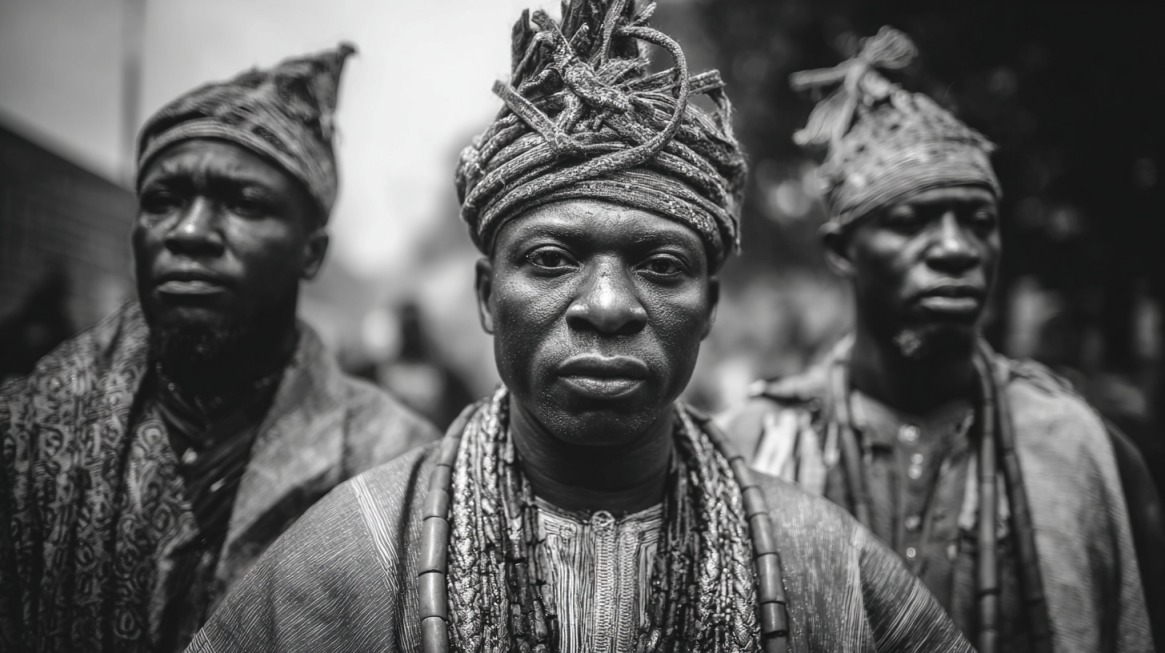
Nigeria alone contains many wedding cultures. Yoruba and Igbo traditions stand out for public structure and rich symbolism.
Yoruba Traditional Engagement
Yoruba engagement ceremonies often rely on two family representatives. The Alaga Ijoko represents the bride’s family.
The Alaga Iduro represents the groom’s family. Both guide the sequence, manage negotiations, and maintain etiquette.
- Formal entrance and greetings, sometimes choreographed family processions
- Respect gestures, including groom prostration in some families
- Presentation of requested items, varying by household
- Talking drums and praise performance announcing lineages
Clothing, Aso Oke, Gele, And Aso Ebi
Aso oke holds prestige as handwoven cloth worn at special events. Gele, the Yoruba term for female headwrap, completes ceremonial appearance through structured tying styles.
Friends and relatives often wear aso ebi, coordinated outfits that signal affiliation and support. The room itself becomes a visual map of social belonging.
Money Spraying And Modern Debate
At many Nigerian parties, guests “spray” money during dancing as a sign of affection and good fortune.
Lifestyle and wedding media describe the money dance as a highlight. Recent reporting also shows how enforcement of currency laws has turned the practice into a public policy flashpoint. Cultural celebration and legal frameworks now meet on dance floors.
Igbo Traditional Marriage, Igba Nkwu
In many Igbo communities, the public center of the ceremony is Igba Nkwu. The bride carries a drink, often palm wine, searching through guests to find her groom.
She receives the drink from her father, dances through the crowd, and offers it to her groom. Acceptance publicly affirms the union.
- Family negotiations and introductions before public celebration
- Symbolic food and drink rituals, including kola nut in many areas
- Layered outfits marking different phases of the ceremony
The search itself creates anticipation and humor. Guests cheer, music rises, and cameras stay alert.
Ghana, Knocking, Marriage Lists, And Kente
@mc_manye1 #foryou #trending #fyppppppppppppppppppppppp #goviral #traditionalmarriage #ghana @Unbreakable Joyce Blessing @MC Ohemaa Esther @Divine Stitches @Lady-Rev. Gloria Kafui Lamptey @Dede Mensah @Akua Brown_official @Apostle Abraham Lamptey @Kofi Sam266 @kofisiawsarpong ♬ original sound – MC_MANYE1
Ghanaian customary weddings open with formal family approaches, negotiated marriage lists, and the visual authority of kente fabric, creating a public framework that defines legitimacy, responsibility, and celebration.
The Knocking Ceremony
In Ghanaian customary marriage practice, the knocking ceremony serves as a formal approach. The groom’s family declares marriage intentions and begins official family ties. It sets the relationship frame long before any reception.
The Marriage List
Many Ghanaian traditional weddings center on a marriage list. Families negotiate requested items that may include fabrics, drinks, and symbolic goods.
Modern flexibility allows some families to reduce burden while preserving cultural form. Negotiation itself becomes part of social bonding.
Kente As Ceremonial Language
Kente functions as ceremonial dress in Ghana. Arts education sources describe it as formalwear for major events. UNESCO recognizes the craftsmanship of traditional woven kente as intangible cultural heritage.
Museum collections situate it within West African strip weaving traditions and formal status dress. Wearing kente at a wedding speaks before any speech begins.
Northern Nigeria And The Sahel, Hausa Traditions
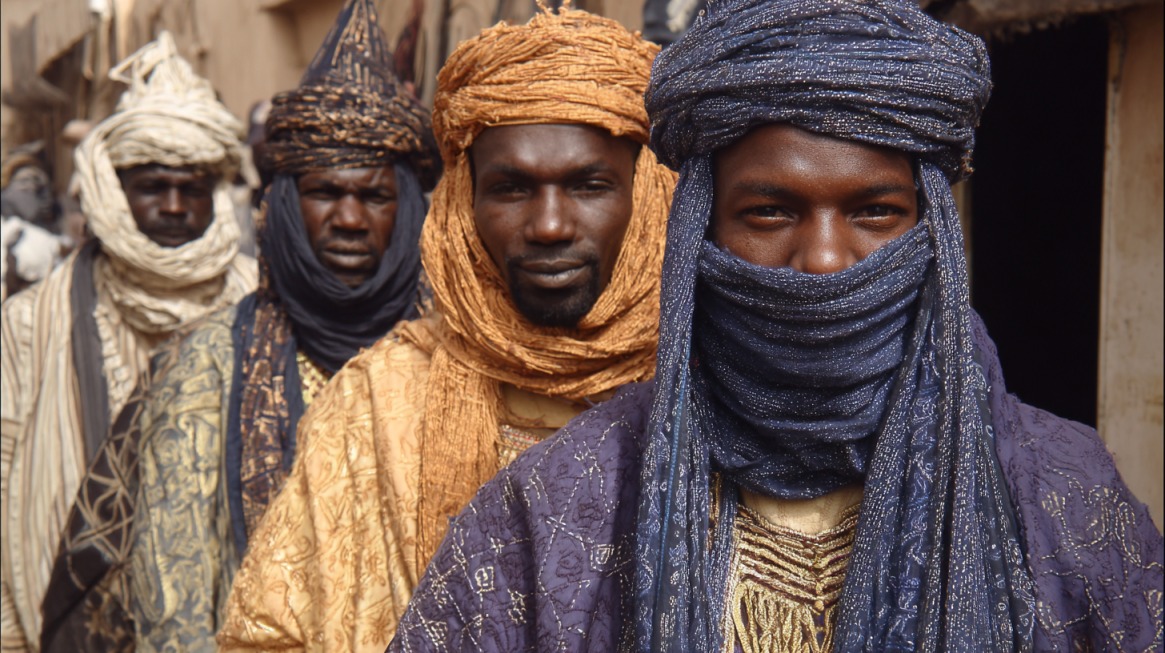
In northern West Africa, Islam shapes wedding structure alongside local legal tradition and community norms.
Hausa Marriage Stages
- Intention signaling
- Bridewealth called sadaki
- Formal marriage contract ceremony framed as Islamic nikah
- Escorting the bride to her new home
Researchers also document evolving courtship patterns in urban Hausa communities, showing shifting norms around partner selection.
Henna, Lalle
Henna, often called lalle, holds a strong wedding association in northern Nigeria. Academic work treats it as decorative and socially meaningful.
News reporting on bride price customs references lalle as common practice. Bridal hands, feet, and sometimes faces carry intricate designs that mark the transition into married life.
Senegambia, Sabar, And Griot Performance
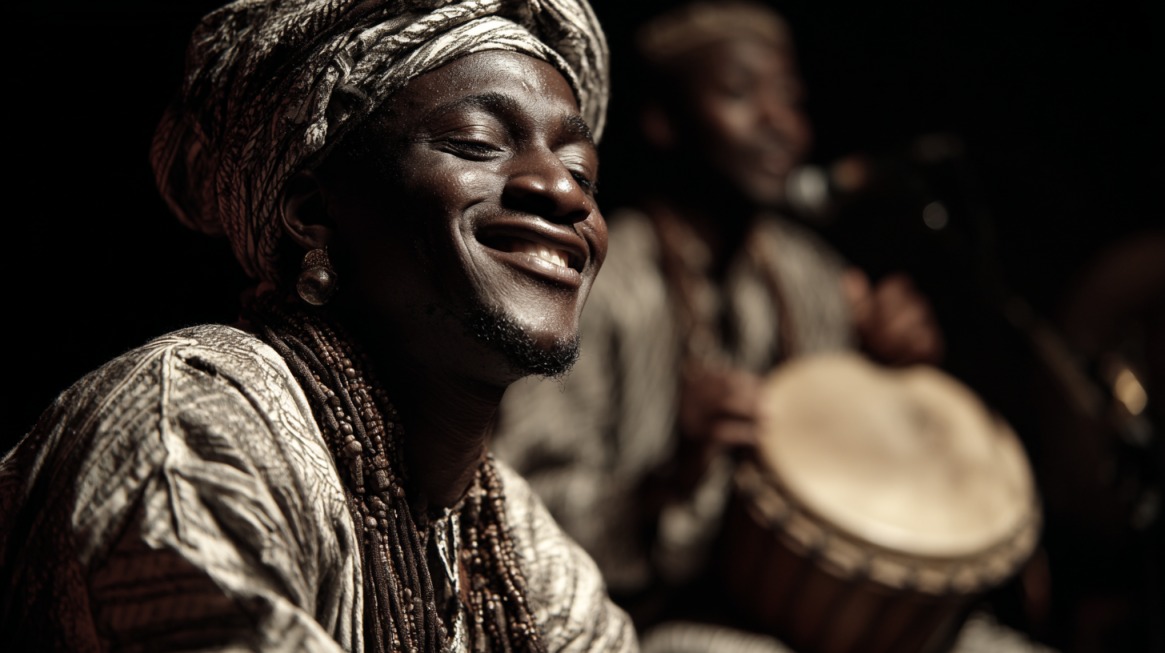
In Senegambia, weddings lean on sabar drumming, circle dancing, and griot praise singing to turn family history and community reputation into live performance.
Sabar Dance Culture
In Senegal, sabar dance and drumming appear at community gatherings, including weddings. Dancers respond in real time to drum patterns.
Arts institutions describe circle formats and polyrhythmic setups that reveal an organized structure behind the apparent spontaneity.
Griots As Public Memory
Griots serve as hereditary troubadour historians who preserve genealogies and perform praise songs.
Museum writing frames griots as genealogists and musicians who keep epic histories alive. Weddings offer natural space for public lineage recognition and praise performance.
Modern Social Debates
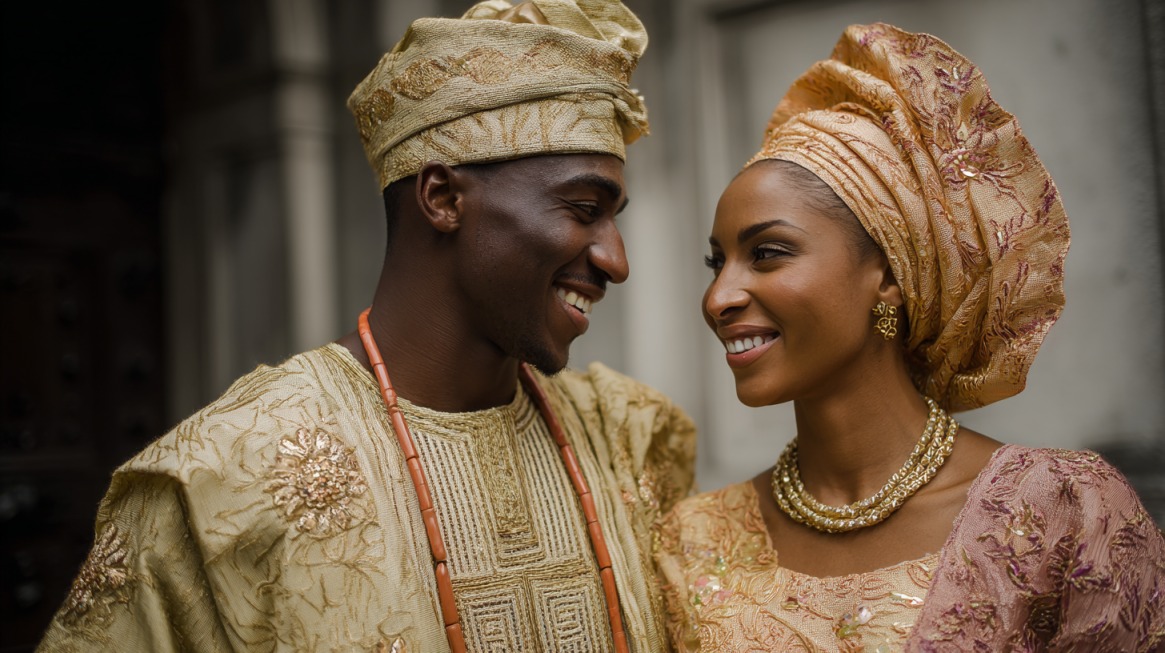
Public celebration, fashion, money rituals, and evolving family structures now shape how marriage is discussed across West Africa, both inside communities and in wider public life.
Polygyny Context
Marriage traditions sit within broader family systems. Polygyny remains present in parts of West Africa. DHS-linked demographic analysis summarized by the Population Reference Bureau shows polygyny rates at or above 30% in multiple West African countries.
Peer-reviewed research also tracks long-run declines in polygynous household arrangements across sub-Saharan Africa.
Big Wedding Expectations And Social Media
Public, fashion-forward wedding styles attract admiration and pressure. Ethnographic and social research writing on Nigerian wedding culture highlights display, uniform dressing trends, and cost escalation as growing concerns. Social media amplifies visibility.
On the money spraying issue, international reporting shows how economic conditions and law enforcement priorities collide with culturally meaningful practices.
Takeaways For Respectful Participation
Walking into a West African wedding with the right expectations, timing, and cultural awareness shapes how warmly families receive your presence.
If You Are Attending
- Ask which ceremony you are attending, customary, religious, reception, or multiple
- Follow dress guidance closely, coordinated fabric or color rules may apply
- Respect elders and family representatives controlling ceremony pace
- Avoid interrupting ritual moments for photos
- Arrive on time, greeting and food hold social meaning
If You Are Researching Or Writing
- Name specific communities, Yoruba, Igbo, Akan, Wolof, Hausa, and others
- Treat textiles and music as cultural communication
- Separate customary tradition from modern wedding industry styling
- Explain how both merge in contemporary practice
Summary
West African weddings carry rhythm, color, prayer, laughter, and memory into public space. They link families, mark responsibility, and preserve lineage through fabric, music, and ritual.
Each community writes its own script, yet shared foundations connect ceremonies across borders. Walk into one with curiosity, respect, and attention to detail. You will leave carrying stories that stretch far beyond the dance floor.