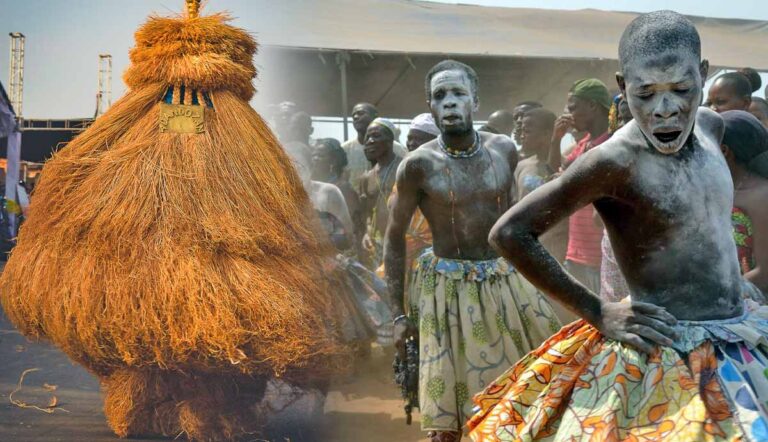
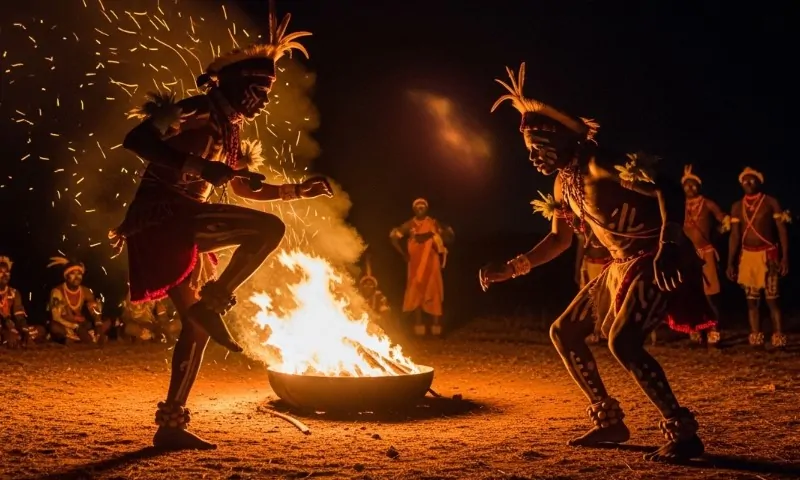
African spirituality consists of many belief systems shaped by different ethnic groups and regions. No single unified religion defines it.
Traditions pass through oral transmission, carried by stories, songs, rituals, and communal ceremonies rather than written doctrine.
A shared worldview appears across many traditions. Belief in a Supreme Being exists, though that presence often remains distant in everyday affairs.
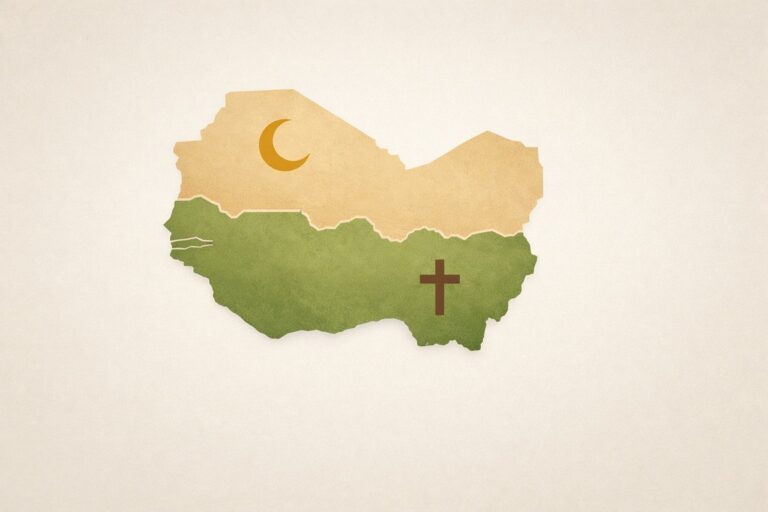
Christianity and Islam exist across the continent, yet traditional practices continue.
Many communities combine older spiritual systems with newer religions, creating layered systems of belief and practice that persist today.
Let us talk about the most interesting ones that can be seen even today.
1. Libation Rituals (Honoring Ancestors)
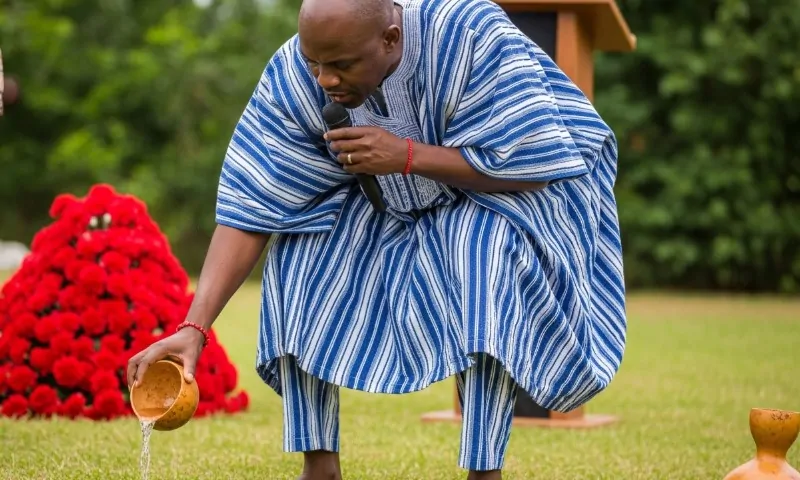
Ancestor veneration holds a central place in many African spiritual systems. Libation rituals form a key method of honoring those who have passed on.
Participants pour offerings such as water or alcohol onto the ground while calling upon ancestral spirits.
Ritual actions often follow a structured pattern that connects the living with ancestral presence.
Common elements include:
- Invocation of specific ancestors by name or lineage
- Use of sacred spaces such as family compounds or community shrines
- Verbal prayers that ask for guidance, protection, or forgiveness
These acts function as direct communication. Ancestors are believed to remain present, offering protection, guidance, and moral direction.
Communities use libation rituals to reinforce respect across generations. Social values gain reinforcement through repeated practice.
Outcomes of these rituals often include:
- Strengthening family bonds and shared identity
- Reinforcing respect for elders and authority
- Maintaining continuity of moral expectations across generations
Moral systems gain strength through acknowledgment of those who came before, linking past, present, and future within a shared spiritual structure.
2. Healing and Herbal Rituals
Healing practices combine physical treatment with spiritual intervention.
Traditional healers hold knowledge of medicinal plants along with ritual techniques that address spiritual imbalance.
Core components of healing practice include:
- Identification of plants with specific medicinal properties
- Preparation of remedies through grinding, boiling, or mixing
- Ritual actions that activate or strengthen the treatment
The role of the healer extends beyond physical care. Communication with spiritual forces helps identify causes of illness.
Chants, prayers, and ritual actions accompany herbal remedies to restore balance.
Illness often appears as a disruption within a broader system, not only as bodily dysfunction.
Holistic care defines these systems. Body, mind, community, and spiritual forces interact, forming a complete approach to healing grounded in long-standing cultural knowledge.
In contrast, modern consumption habits, including products like Canadian lights cigarettes, reflect a shift toward commercially produced substances that differ significantly from traditional plant-based remedies.
3. Initiation Ceremonies (Rites of Passage)
Initiation ceremonies mark important transitions in life, especially movement into adulthood. Many societies continue to practice puberty rituals that introduce young members to adult roles and expectations.
The structure of these ceremonies often includes several distinct phases that guide transformation. Key stages may involve:
- Separation from everyday community life
- Instruction led by elders or designated mentors
- Ritual acts that symbolize the death of childhood and the birth of adulthood
Education forms a central part of these ceremonies. Participants learn social responsibilities, ethical codes, and cultural identity.
Knowledge passes through mentorship, storytelling, and guided experience rather than formal schooling.
Seclusion often plays a role, allowing individuals to step away from ordinary life.
During that time, symbolic acts mark transformation and prepare participants for new responsibilities.
Skills and teachings shared during this period often include:
- Gender roles and expectations within the community
- Rules governing marriage, family, and social conduct
- Spiritual beliefs tied to identity and responsibility
Community recognition follows, confirming a new social status. Public ceremonies, feasts, or symbolic markings often signal completion.
Collective participation shows that identity develops within the group. Individual growth connects directly to community structure and shared values.
4. Divination Practices (Seeking Spiritual Guidance)
Divination provides a method of accessing spiritual insight. Specialists such as priests, healers, or diviners act as intermediaries between visible and invisible forces.
Systems used in divination vary widely but share common principles rooted in symbolism and interpretation. Common tools and methods include:
- Bone casting, where patterns reveal messages
- Shell systems that rely on position and arrangement
- Complex oracle traditions with established symbolic codes
Training for diviners often involves long apprenticeships and strict discipline.
Spiritual causes often receive attention alongside physical or social factors. Diviners interpret signs as part of a broader system of meaning.
The connection between physical and spiritual dimensions remains central. Events in daily life often link to unseen influences, and divination offers a way to interpret those connections.
5. Spirit Possession and Trance Ceremonies
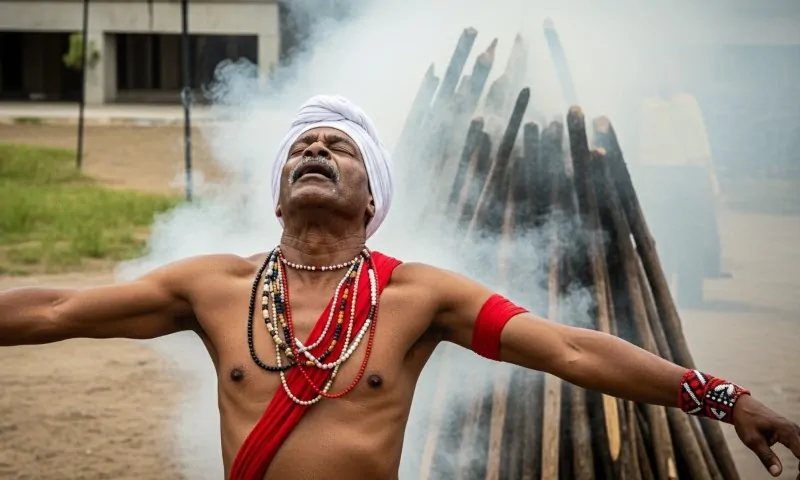
Belief in direct interaction between humans and spiritual beings appears across many African traditions.
Ceremonies involving spirit possession allow participants to enter altered states of consciousness.
Ritual environments play a critical role in inducing trance states.
Participants may become vessels for spirits or deities, allowing communication and expression through movement and speech.
Purpose includes healing, guidance, and protection. Outcomes sought during these ceremonies often involve:
- Messages or warnings delivered through possessed individuals
- Emotional release and psychological relief
- Restoration of balance within individuals or communities
Experiences hold strong emotional and spiritual significance for those involved, similar to dream intepretations . Practice shows that spirituality involves lived experience.
Engagement occurs through the body and senses, not only through abstract belief.
6. Sacred Dance and Drumming Rituals
Music and dance hold sacred meaning in many African traditions. Rhythmic patterns and coordinated movement function as tools for spiritual engagement rather than simple entertainment.
Performance follows structured patterns that align with spiritual goals. Important aspects of these rituals include:
- Specific drum rhythms linked to particular spirits or occasions
- Choreographed movements passed through generations
- Group participation that creates shared energy and focus
Ceremonial performance invites the presence of ancestors and spiritual forces.
Drumming establishes a rhythm that guides participants into shared states of awareness.
Movement expresses devotion, memory, and connection.
Transmission of knowledge occurs through performance in ways that shape identity.
Participation strengthens collective identity and unity within the group. Festivals and ceremonies continue to feature these practices, maintaining their importance in modern contexts.
7. Totemism and Nature Worship
@curioucitychannel The Dancing Stick Ritual In Africa In the Casamance region of Senegal, the Kumpo is more than a performer—it’s a sacred figure believed to be a spirit or ancestral ghost. Covered in palm leaves, the Kumpo appears to dance on its own, but its identity remains hidden, protected by strict cultural rules. Touching the Kumpo or attempting to look inside is considered a serious act of disrespect. This ritual dance is part of a centuries-old tradition that connects the living with the spiritual world, enforcing community values and honoring ancestors. Discover the meaning behind this mysterious figure and why it’s still deeply respected today. #kumpo #casamance #diola #westafrica #traditional #traditionaldance #africantraditions #rituals #heritagepreservation
Many belief systems recognize spiritual presence within elements of nature.
Trees, rivers, animals, and landscapes hold sacred meaning and power.
Totems represent family lineage, identity, and spiritual protection. Connection to a totem often shapes behavior and social rules. Key functions of totems include:
- Acting as symbols of ancestry and group belonging
- Providing spiritual protection and guidance
- Establishing taboos that regulate interaction with certain animals or plants
Individuals and groups maintain connections with specific natural symbols that guide behavior and reinforce belonging.
Rituals and stories often reinforce these relationships.
Nature does not exist as separate from human life. Interaction with the environment carries spiritual responsibility. Practices tied to this belief often involve:
- Respectful use of natural resources
- Ritual acknowledgment of sacred sites
- Avoidance of actions that disturb spiritual balance
Respect for natural forces supports balance and sustainability within communities.
Summary
African ceremonies function as living systems that continue to shape identity and community life. Practices adapt over time while maintaining core beliefs and values.
Integration with global religions shows flexibility and continuity.
Older traditions remain active alongside newer influences, forming layered systems of practice.