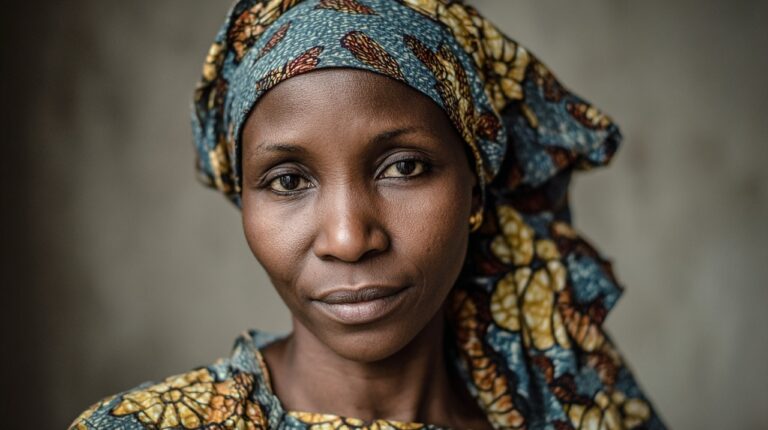

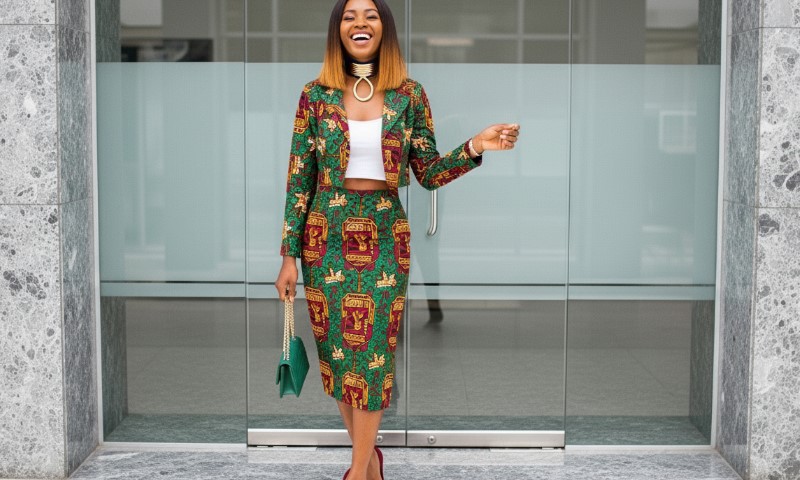
Afro fusion fashion refers to a style approach that merges contemporary clothing with African-inspired elements. Modern silhouettes combine with bold prints, vibrant colors, and cultural references to create outfits that balance heritage with current fashion expectations.
Growing visibility of Afro fusion fashion reflects increasing interest in culturally expressive clothing across local and global markets.
Designers continue presenting collections that align cultural identity with modern aesthetics, strengthening relevance across professional and social spaces.
Nigerian workwear has historically followed Western tailoring norms due to colonial influence and global professional standards.
Recent fashion practices show Nigerian designers adapting those conventions by integrating indigenous fabrics, symbolic motifs, and traditional craftsmanship into office-appropriate clothing.
Let us see how the local professionals made a combination of modern tailoring and tradition.
Cloth’s Language in Nigerian Dress Culture
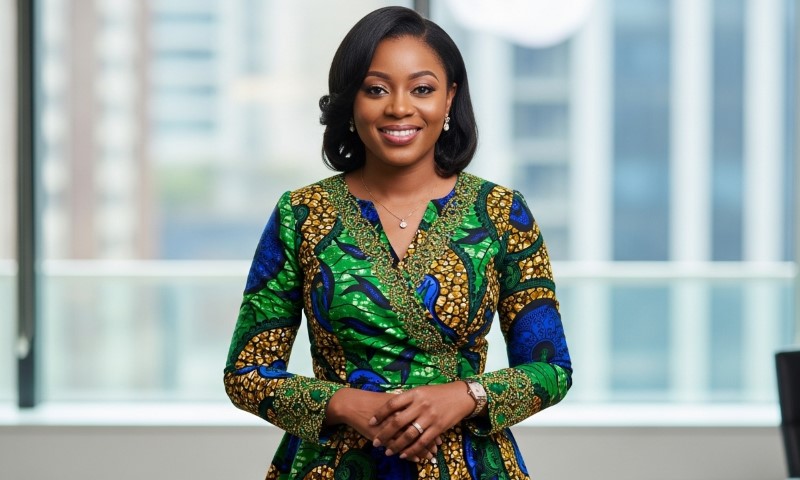
Nigeria’s textile heritage provides a strong base for Afro fusion workwear and shapes how professional dress communicates identity within Nigerian society.
Textile use has long functioned as a social code, signaling belonging, status, and cultural alignment in both ceremonial and everyday contexts.
Aso Oke represents hand-woven Yoruba cloth traditionally reserved for ceremonies, title celebrations, and formal gatherings.
Contemporary designers adapt Aso Oke into refined office garments through controlled tailoring, fabric paneling, and subtle pattern placement.
Adire features indigo-dyed patterns created through resist techniques tied closely to Yoruba cultural practice.
Modern applications favor restrained color balance to suit professional environments.
Akwete cloth originates in Igbo communities and showcases detailed hand-woven designs associated with social history and regional identity, now reinterpreted through structured silhouettes.
Accessories such as USportsGear custom socks extend cultural expression into subtle, contemporary details, allowing professionals to incorporate African-inspired patterns and colors into their workwear without disrupting formal dress expectations.
Clothing operates as a visual language that conveys values and cultural memory rather than serving decorative purposes alone, even within professional dress codes.
Afro Fusion Workwear Moves Into the Modern Wardrobe
Modern Nigerian designers merge indigenous fabrics such as Ankara, Adire, and other African prints with Western tailoring methods adapted for professional settings.
Garment construction prioritizes a balance between cultural expression and workplace appropriateness.
Structured blazers, fitted dresses, and sharply cut garments reposition traditional materials as credible office attire.
Design approaches often center on silhouette refinement and fabric control to achieve professional polish:
- Structured jackets using Ankara panels placed selectively for visual restraint
- Tailored dresses cut with Adire accents to maintain pattern clarity
- Minimalist office separates paired with statement textiles used sparingly
Contemporary interpretations include silk African kaftan dresses and tailored women’s clothing shaped with clean lines and refined proportions.
Garments retain cultural reference points while aligning with expectations tied to meetings, presentations, and formal work settings.
Urban growth, globalization, and cultural exchange contribute to wider acceptance of Afro fusion workwear.
Designers respond to changing professional lifestyles by reshaping traditional motifs into clothing compatible with modern office routines and international fashion standards.
Regional Dress Codes Recast for Professional Life
Northern Nigerian fashion reflects centuries of cultural interaction shaped by trade routes, religious influence, and social hierarchy.
Traditional garments such as Babban Riga, embroidered kaftans, Abayas, Zani wrappers, and Hula caps influence modern professional designs through streamlined cuts and restrained embroidery.
Color symbolism plays an active role in northern dress culture and continues guiding contemporary workwear choices:
- White is associated with purity, spirituality, and ceremonial authority
- Indigo is associated with wealth, tradition, and social stature
Southwestern Yoruba traditions contribute to Aso Oke and Adire textiles adapted into professional garments through modern tailoring.
Igbo weaving practices, including Akwete cloth, add patterned depth and tactile presence to Afro fusion workwear.
Regional inputs introduce variation across Nigerian professional fashion while preserving cultural specificity.
Afro Fusion Workwear Through Cut, Fabric, and Craft

Contemporary tailoring techniques reshape fabrics traditionally reserved for ceremonial or casual use into garments suitable for office environments.
Clean seams, structured fits, and balanced proportions elevate traditional materials into polished professional wear without diminishing cultural reference.
Designers rely on precise construction methods to maintain fabric integrity:
- Reinforced linings supporting hand-woven textiles during daily wear
- Controlled panel placement preserving pattern visibility
- Tailored cuts balancing comfort with structure for extended work hours
Artisan craftsmanship remains central to Afro fusion fashion.
Designers collaborate with local weavers, dyers, and tailors skilled in heritage techniques.
Hand-woven and hand-dyed textiles reinforce cultural value while supporting sustainable creative economies across Nigerian communities.
Culture at Work Inside Nigerian Professional Spaces
Professional environments across Nigeria increasingly recognize Afro fusion attire as appropriate office wear. Corporate spaces that once favored strictly Western dress codes now accommodate culturally expressive garments that maintain formality and refinement.
Workwear choices often reflect intentional negotiation between self expression and institutional norms. Afro fusion garments enable professionals to signal confidence, cultural awareness, and individuality without compromising professionalism.
Clothing becomes a visual statement that aligns career identity with cultural values rather than separating the two.
Cultural representation carries professional importance within Nigerian workplaces. Afro fusion workwear allows individuals to assert their heritage while operating within international corporate standards and expectations.
Such attire supports a sense of belonging and visibility, particularly within multinational organizations and formal industries where representation has historically followed Western conventions.
Growing recognition is closely to media exposure and global platforms that shape perceptions of Nigerian fashion. Fashion showcases, digital publications, and international buyers contribute to the wider acceptance of culturally grounded professional attire.
Lagos Fashion Week, founded in 2011 by Omoyemi Akerele, functions as Nigeria’s largest fashion showcase and presents designers merging cultural reference with modern fashion. Collections shown at the event frequently demonstrate how indigenous textiles and traditional aesthetics translate into contemporary professional dress.
International visibility gained through the platform influences how Nigerian workwear is viewed globally and reinforces Afro fusion workwear as a credible professional style category.
Afro Fusion Workwear Between Challenges and Opportunities
@afrofusionapparel Tired of repeating the same office looks? Here are 5 fresh ways to rock African print at work: bold, stylish, and still totally professional. ✨ Because culture belongs in every room you walk into, even the boardroom 💼🌍 Which one would you wear to work? 👇🏾 Let me know in the comments & follow @afrofusion.apparel for more workwear inspo! #AfrofusionApparel #AnkaraWorkStyle #AfricanPrintFashion #DiasporaStyle #WorkwearWithCulture #BoldPrintsBoldWomen
Workplace dress codes remain conservative in certain corporate sectors.
Professionals often navigate a careful balance between cultural expression and office norms rooted in Western tradition.
Industry growth presents clear openings for designers and brands:
- Rising international demand for African inspired professional wear
- Increased digital access through social platforms
- Expanding retail opportunities across global cities
Nigeria’s fashion sector continues attracting international attention, creating pathways for Afro fusion workwear brands to scale production and broaden reach.
Exposure through fashion weeks, digital platforms, and global retail channels strengthens recognition of Nigerian fashion and positions Afro fusion workwear as an influential voice in global professional style conversations.
Summary
Afro fusion workwear demonstrates how Nigerian professionals integrate cultural tradition with modern tailoring practices.
Clothing choices reflect identity, professionalism, and stylistic confidence within office environments.
Continued global interest in Nigerian fashion suggests growing influence on professional style norms.
Afro fusion workwear is positioned to shape future conversations around cultural expression and contemporary dress standards.