
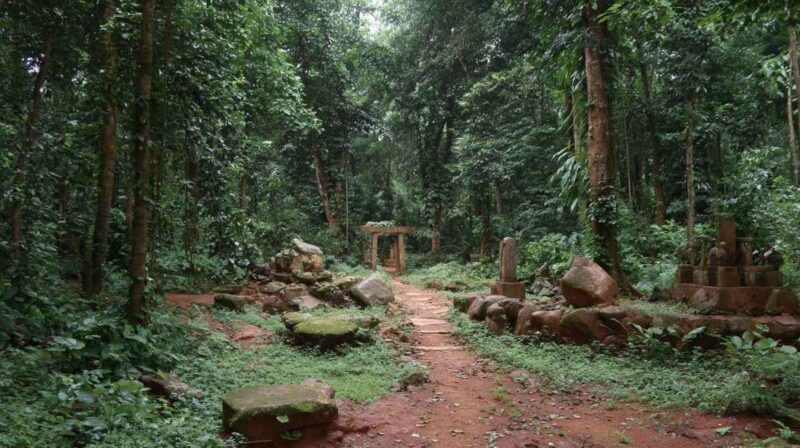
Osun-Osogbo Sacred Grove is a celebrated UNESCO World Heritage Site in Osogbo, the capital of Osun State in southwestern Nigeria.
Spanning roughly seventy-five hectares of protected forest, the area remains one of the last surviving Yoruba sacred groves and functions as a spiritual center dedicated to Osun, the revered goddess of fertility and love.
Osun River flows through the grounds and carries deep symbolic value, so significant that it has been compared to Nigeria’s own version of the Ganges due to its ritual importance and long-standing mythic associations.
Since this is easily among the most visited places in Nigeria, we decided to talk about it and show our readers what they should be focused on before they actually visit it.
Planning Your Visit
A clear sense of timing and logistics assists visitors in preparing for a respectful experience.
Cultural activity intensifies during certain months, while environmental conditions vary throughout the year.
When to Visit
August draws pilgrims and travelers for the annual Osun-Osogbo Festival, offering full immersion in cultural and spiritual activities.
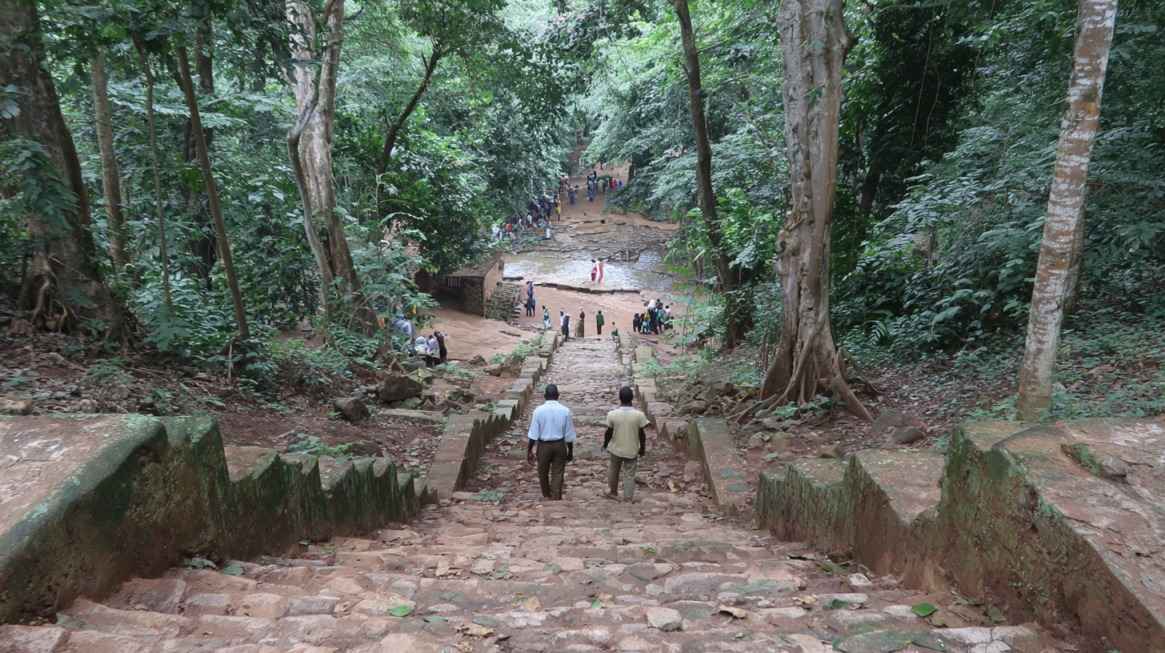
Dry season months between November and March usually allow easier movement through forest paths and typically favorable weather.
Getting There
Travelers leaving Lagos can reach Osogbo by private car or by using intercity buses that depart from hubs such as Oshodi Bus Terminal.
A well-paced road trip often lasts around four hours, depending on traffic and travel arrangements.
Some travelers prefer early departures to avoid congestion, while others plan mid-morning departures for comfort.
Tour Options
Guides are available on site and are strongly recommended for first-time visitors.
Some possess archaeological training and offer details on mythic narratives, the meaning of sculptures, and worship customs.
- Explanations of deity symbolism
- Demonstrations of shrine pathways
- Context for ritual traces, such as offerings or markings
- Use of an AI detector may be helpful for those reviewing or verifying written accounts.
- Tips are commonly offered, though not officially part of the entry fee.
Entry Costs and Tour Logistics
An overview of fees and guiding arrangements helps visitors anticipate expenses. Cultural sites in Nigeria often maintain tiered pricing systems, and Osun-Osogbo Sacred Grove follows a similar structure.
View this post on Instagram
Entry Fees
Recent visitor reports indicate approximate fees such as 200 to 500 naira for Nigerian citizens and about 500 naira for foreign visitors.
Phone cameras often require an additional fee of around 1,000 naira, and DSLR cameras may require about 3,000 naira.
Visitors who plan extended photography or documentary work should inquire about on-site rules.
Spiritual and Cultural Significance
An expanded view of the grove’s spiritual framework helps visitors grasp why Yoruba communities hold the area in such high regard.
Shrines and sculptural groups rise throughout the forest, each linked to a specific deity and maintained by custodians who follow long-established ritual systems.
Human-made forms merge with spiritual purpose, creating an environment shaped by devotion, artistry, and cosmological structure.
- Osun
- Ogun
- Yemoja
- Esu
- Obatala
- Iya Mapo
- Aje
These installations function as physical expressions of spiritual forces, maintained by priests and artisans who continue long-held traditions.
Ceremonial practice remains active throughout the year, and visitors regularly observe traces of offerings.
Certain traditions involve materials symbolizing gratitude, plea, or continuity of life paths.
@okisspixel • OSUN OSOGBO GROVE The Osun-Osogbo Sacred Grove, a dense forest on the outskirts of Osogbo, the capital of Osun State in Nigeria, is not just a sanctuary but a living testament to the spiritual and cultural richness of the Yoruba people. Dedicated to Osun, the Yoruba goddess of fertility, love, and water, it is a place of profound spiritual significance and an essential cultural site for the Yoruba people. Its rich history and cultural importance will surely intrigue you. The Osun Sacred Grove is situated in the dense forest on the outskirts of the city of Osogbo Osun State capital remains one of the existing major high forests in southern Nigeria. It boasts scores of shrines, sculptures and other various works of art erected to honour the goddess Osun. This ancient temple, founded over 400 years ago, is believed to be her home. Yoruba myth has it that Osun, a goddess of fertility and a beauty queen, was one of the three wives of Sango, the third Alaafin of Oyo Empire and Orisa (god) of thunder. It is believed that Osun, having left the Oyo palace in Oyo-Ile, settled at the grove and transformed into the Osun/Oshun River. 📸: by yours truly 📍: Osun Grove, Osun state. #okisspixel #osunstate #history #art #photography #osunosogbo #osogbo #oreyeye #culturalheritage #documentary #explore #travelphotographer #storytelling ♬ original sound – Okiss Pixel 💡📸
- Palm oil markings on sacred stones
- Cassava flour is placed near selected shrines
- Feathers remaining after offerings involving chickens or guinea fowl
Performances at the central altar sometimes involve fire-eating or controlled skin-piercing, interpreted by devotees as signs of Orisha presence.
Animals living in the forest, including white-throated monkeys, carry sacred status and must never be harmed, disturbed, or fed.
Exploring the Grove
An introductory look at the grove’s spatial layout helps visitors anticipate the variety of experiences awaiting them, ranging from artistic installations to active religious spaces.
Sculptures created by Wenger and local artisans populate multiple sections of the forest and portray distinct Orishas.
A suspension bridge dating back to 1935 remains one of the most recognized structures in the area and is often described as shaky but reliable.
Osun River flows through central ritual zones, and swimming, bathing, or fishing is prohibited.
Temples scattered across the grove serve as active centers where priests conduct daily offerings, often involving pap and eko.
Certain shrines may be restricted during ceremonies, and guides usually indicate appropriate distances and respectful behavior.
Respect for traditional customs is expected at all times. Visitors should maintain quiet behavior during ceremonies, comply with marked boundaries, avoid disturbing wildlife, and follow all instructions issued by priests or guides.
Festival periods require additional sensitivity to cultural protocols followed by devotees, as ceremonial activities intensify and sacred spaces may shift in function or accessibility.
View this post on Instagram
Historical and Cultural Background
A broader look at the grove’s past reveals how Yoruba oral traditions and lived experiences shaped its present form.
Stories surrounding its creation serve as cultural anchors and define spiritual expectations for worshippers and caretakers alike.
Accounts trace the creation of the grove to around 1670 AD. A hunter named Olutimilehin reached the river and alerted Oba Larooye Gbadewolu about its presence.
A well-known tale describes the goddess Osun speaking the words, “Laro! Timehin!! You have broken my dyeing pots,” a moment that marked the beginning of formal rituals and shrines built to honor her.
Practices instituted after that moment shaped the identity of the grove and continue to influence worship patterns in Osogbo today.
Susanne Wenger and the New Sacred Art
An expanded view of Susanne Wenger’s role clarifies why she remains such an important figure in Osogbo’s cultural memory. Her involvement went far beyond artistic contribution and extended into full participation in Yoruba spiritual life.
Austrian artist Susanne Wenger, later known as Adunni Olorisha, arrived in Nigeria during the 1950s and committed herself to Yoruba spiritual philosophy.
Her collaboration with priests and local artists resulted in monumental sculptures made of clay and cement, depicting Orishas such as Ogun, Esu, Yemoja, and Osun.
Her artistic and conservation work helped protect the grove during a period of urban expansion and community disengagement.
Wenger passed away in 2009 at the age of ninety-three, and her Osogbo residence has since become a museum visited by travelers and researchers.
Final Thoughts
Osun-Osogbo Sacred Grove functions as a spiritual stronghold, a cultural treasure for Yoruba communities, and an artistic site shaped by centuries of devotion.
Visitors gain more value by approaching the space with openness, respect for ongoing practices, and willingness to learn directly from guides and locals.
Anyone drawn to Yoruba folklore often finds the experience memorable and profoundly meaningful.