
Hunting safaris refer to guided hunting trips, most commonly organised in parts of Africa, where participants pursue wild game under the supervision of licensed professionals.
Interest in these trips often comes with strong public debate.
Supporters view regulated trophy hunting as a conservation tool when properly managed.
Opponents criticise it as unethical and harmful to wildlife.
Trophy hunting remains legal in many countries, but strict rules are usually applied to control sustainability and protect endangered species.
Without further ado, let us talk about this in greater detail.
Countries Where Hunting Safaris Are Allowed
Legal hunting safaris remain concentrated in several African countries where governments permit trophy hunting under controlled systems.
Regulations often focus on limiting animal take, directing revenue into conservation programs, and creating financial benefits for rural communities.
Botswana
Botswana resumed trophy hunting in 2019 after a five-year suspension that had been introduced in 2014. Policy reversal followed concerns about elephant overpopulation and rising conflict between wildlife and rural communities.
Officials argued that increasing animal numbers were threatening crops, property, and local safety. International reporting confirmed that hunting was reinstated as part of population management and community pressure.
Government authorities now issue only restricted licenses through quota systems aimed at supporting community-based development.
More than half of hunting quotas are allocated directly to Community-Based Organizations, ensuring rural communities maintain a role in resource management.
Wildlife Management Areas remain separated from ecotourism zones to reduce conflict between hunting operations and photographic tourism.
Botswana’s policy remains controversial, with some conservation groups warning about the depletion of older bull elephants under current quotas.
South Africa
South Africa is widely recognised for private game ranches operating under regulated hunting systems.
Private land ownership plays a major role in conservation management, creating extensive controlled areas where trophy hunting is legally practised.
Many private reserves support both dangerous game hunting and plains game activity. Hunting operators advertise wide species availability under licensing systems.
Commonly pursued animals include:
- Buffalo
- Lion
- Antelope and other plains game species
Private ranch structures allow controlled breeding programs, regulated harvests, and sustained hunting tourism.
South Africa remains one of the most established destinations for legal safari hunting due to its infrastructure and large private wildlife holdings.
Namibia
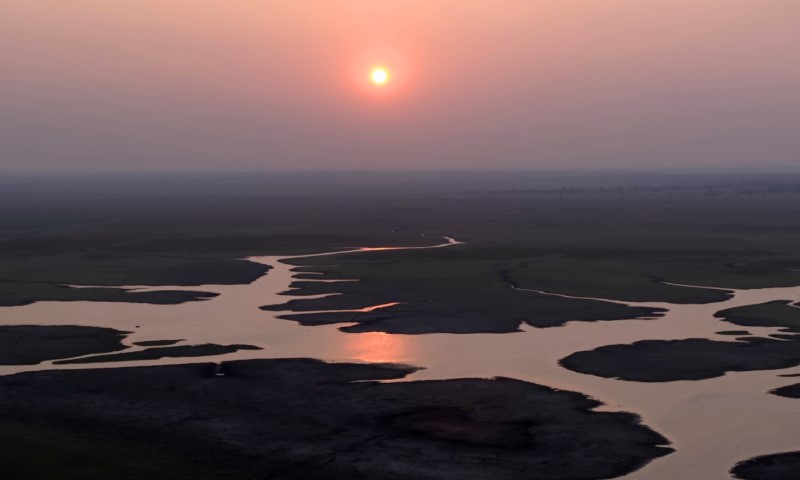
Namibia operates one of Africa’s most community-focused hunting systems through its Communal Conservancy Program.
Rural communities manage conservancies where both hunting and photographic tourism generate income.
Conservancies elect committees through Annual General Meetings, ensuring local governance structures remain central. Two major revenue sources support conservancy operations:
- Photographic tourism
- Trophy hunting tourism
Controlled hunting revenue helps fund conservation projects while also supporting local development initiatives such as employment, infrastructure, and anti-poaching enforcement.
Namibia’s conservancy model is often referenced as a leading example of community-based wildlife management.
Zimbabwe
Zimbabwe relies heavily on regulated trophy hunting as a financial pillar for wildlife management.
Hunting concessions contribute revenue directly to protected area administration.
Funds generated through trophy hunting often support:
- Anti-poaching patrol operations
- Park management budgets
- Wildlife enforcement infrastructure
Many protected zones depend on this income stream due to limited alternative tourism revenue in remote regions.
Zimbabwe’s system remains significant, though long-term outcomes depend strongly on governance and enforcement capacity.
Tanzania
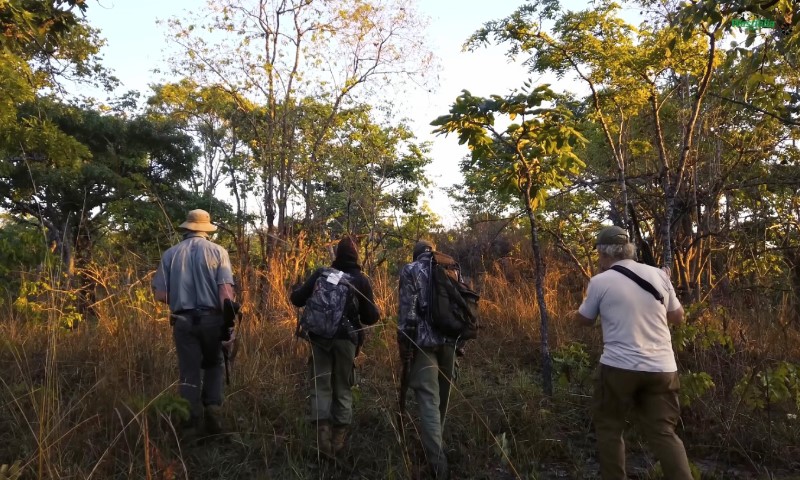
Tanzania offers large-scale safari hunting opportunities under strict government oversight.
Licensing systems regulate hunting concessions, ensuring control over how hunts are conducted and which areas may be accessed.
Traditional hunting blocks remain active, but access is tightly monitored through permit structures. Government agencies oversee quotas, concession allocation, and compliance requirements.
Tanzania continues to be known for large hunting areas operating under centralised regulation, often marketed as one of the most traditional safari hunting environments in Africa.
Zambia, Uganda, Cameroon, and Mozambique
Several other African countries also allow trophy hunting under strict regulation.
Zambia, Uganda, Cameroon, and Mozambique maintain legal frameworks that emphasise sustainability and community partnership.
Regulation in these states often involves:
- Limited quotas tied to conservation planning
- Mandatory outfitter licensing
- Community benefit requirements
Sustainability goals remain tied closely to enforcement quality and local economic distribution.
Many hunters book guided trips through reputable operators to ensure compliance with local regulations and ethical standards. One such outfitter is Global Hunting Solutions, a professional hunting guide service that organises both international safari hunts in Africa and domestic expeditions.
Countries With Bans or Restrictions
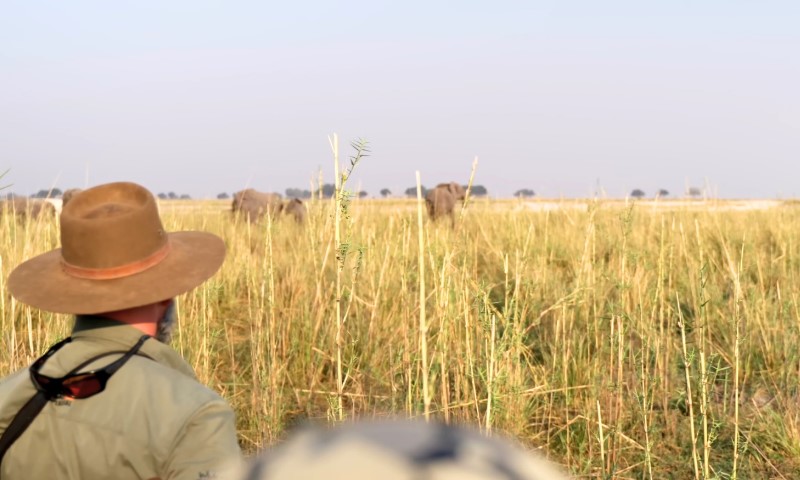
Legal safari hunting is not permitted across all African nations.
Several governments have adopted permanent bans, while others impose temporary restrictions during ecological crises.
Policy decisions are often shaped by wildlife population trends, ethical concerns, economic priorities, and international pressure related to endangered species protection.
Kenya
Kenya enacted a full trophy hunting ban in 1977 and has maintained that policy for decades, making it one of the earliest African states to prohibit sport hunting entirely.
Hunting was once a major activity during the colonial period, but government leaders moved toward complete prohibition as wildlife populations declined and illegal poaching increased.
Scholarly and conservation sources note that the ban became a turning point that encouraged stronger wildlife protection tied to tourism development.
Conservation strategy shifted toward non-consumptive tourism models, relying primarily on photographic safaris and wildlife viewing industries. Wildlife now serves as an economic foundation through park visitation rather than hunting permits.
Kenya’s approach is often cited as an example of conservation built around preservation and observation rather than trophy harvest.
Key outcomes of the ban include:
- Long-term prohibition of all game hunting since 1977
- Conservation financing tied to ecotourism rather than hunting revenue
- Wildlife protection strengthened through tourism-based incentives
Kenya’s model remains influential, though debates continue about whether hunting revenue could support conservation in other contexts.
Tourism and preservation-based approaches continue as the central framework of Kenya’s wildlife economy.
Additional Restrictions Across Africa
Restrictions also appear in other African countries during periods of environmental strain or wildlife population decline.
Governments may impose targeted rules to prevent overharvest, protect vulnerable species, and respond to ecological emergencies.
Policies remain highly variable, with bans often applying only to certain animals or specific regions rather than entire national hunting systems.
Regulatory measures commonly used during such restrictions include:
- Species-specific hunting bans aimed at protecting threatened populations
- Temporary moratoriums introduced when numbers decline sharply
- Emergency restrictions tied to ecological pressure or conflict conditions
Permanent nationwide bans remain uncommon outside cases such as Kenya, but temporary suspensions and partial prohibitions continue to shape hunting policy across the continent.
Many African states adjust rules frequently in response to conservation assessments, political change, and international trade regulation linked to trophy exports.
International Legal Framework
@candaceabroad SAFARI IN TANZANIA 🐘 P.S. — full blog post on how to plan a safari trip to Tanzania in my bio 🇹🇿 From sunrise game drives to glamping in the Serengeti and seeing the Great Migration up close, safari in Tanzania was such a once-in-a-lifetime experience (and my first time in Africa!) Is safari on your bucket list? Let me know in the comments! Happy travels, Candace ✈️ — Tanzania Safari Itinerary, Tanzania Safari, Safari in Tanzania Guide, Africa Safari #tanzaniasafari #safariintanzania #africasafari
International agreements play an important role in shaping hunting safari legality.
CITES remains one of the most influential frameworks, regulating trade in wildlife products across borders and restricting the movement of trophies linked to endangered species.
National governments still retain primary authority over hunting inside their borders, meaning legality changes across countries based on domestic wildlife policy.
Regulation often includes limits tied to scientific assessments and conservation planning.
Key international controls include:
- Restrictions on export of trophies for protected species
- Monitoring of cross-border wildlife product trade
- Enforcement standards aimed at preventing illegal trafficking
Common Legal Requirements
Legal safari hunting almost always depends on formal documentation and controlled access.
Licensed operations require hunters to follow national procedures before any hunt takes place.
Permits and quotas are designed to limit environmental impact and ensure sustainability.
Required legal steps usually include several official approvals. Hunters normally must secure:
- National hunting permits issued by wildlife authorities
- Species-specific licenses tied to quotas
- Tags linked to approved hunting zones
Seasonal rules also apply, limiting hunts to specific times of year.
Certified outfitters and professional hunters are commonly mandatory, ensuring that hunts meet legal standards and comply with conservation requirements.
Legal Structure and Regulation in Hunting Countries
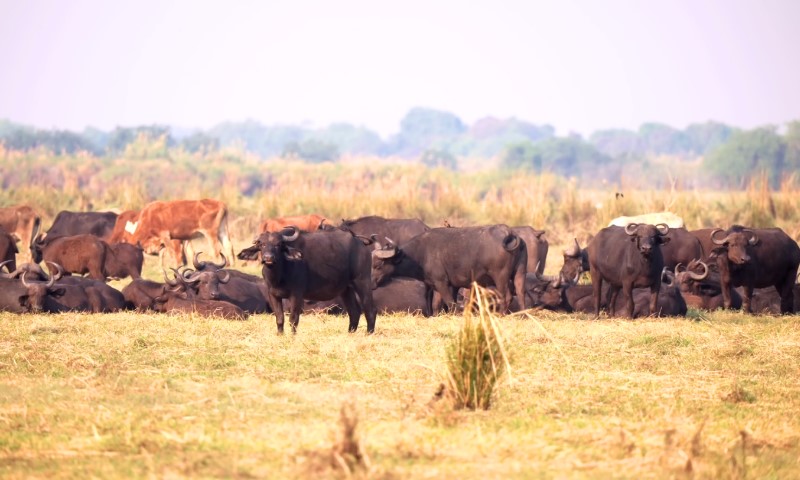
Strong legal structure determines how safari hunting is controlled in countries where it remains permitted. Wildlife laws typically combine conservation rules, enforcement systems, and community-based governance.
Wildlife Laws and Enforcement
National wildlife laws usually define protected species, permitted hunting methods, and punishments for illegal activity. Enforcement challenges remain common, especially in remote regions where government presence is limited.
Weak oversight can increase vulnerability to poaching networks and corruption.
Legal systems often include penalties such as fines, license revocation, and imprisonment for violations.
Regulation commonly depends on:
- Protected species listings
- Approved hunting equipment guidelines
- Anti-poaching enforcement mechanisms
Permit Systems
Permit frameworks remain central to controlling trophy hunting. Authorities regulate how many animals may be taken, which species are approved, and what zones are accessible. Duration of hunts is also monitored through formal licensing.
Export controls apply through official authorization tied to international wildlife trade restrictions. Trophy exports often require additional approval beyond hunting permits.
Community and Land Use Regulations
Community-managed conservation programs play an important role in many safari hunting systems. Namibia’s conservancies remain one of the strongest examples, giving local governance a direct stake in wildlife revenue.
Revenue-sharing mechanisms often support public services and conservation enforcement. Funding frequently contributes to:
- Schools and clinics in rural districts
- Anti-poaching patrol units
- Community development infrastructure
Botswana also ties hunting licenses to local council involvement, aiming to ensure local benefits remain part of national hunting policy.
Summary
Hunting safaris remain legal in many African countries, supported by national regulatory frameworks and international oversight.
Well-managed hunting can contribute to conservation funding and community development.
Ethical debates continue, and lasting sustainability depends on transparency, enforcement, and responsible quota management.