

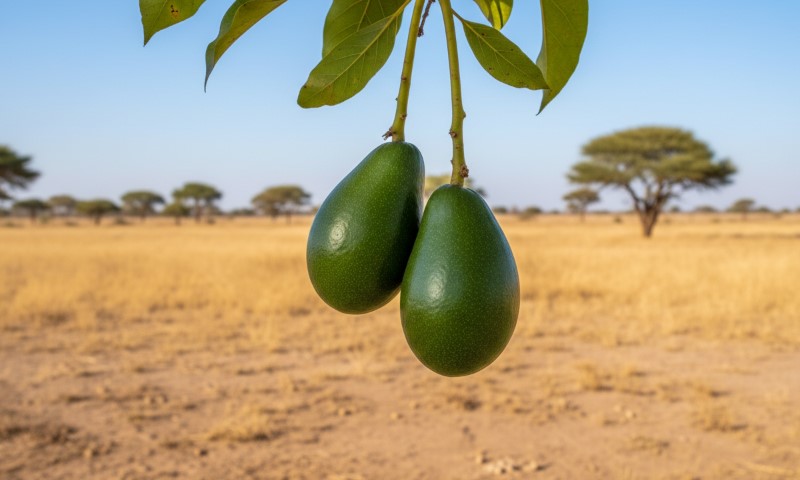
Akuamma refers to a medicinal plant traditionally used in West and Central African herbal medicine.
Seeds of the plant hold particular importance in traditional healing systems due to their analgesic and therapeutic properties.
Scientific investigation indicates that several compounds in akuamma interact with opioid receptors in the nervous system.
Interaction with these receptors may explain many traditional applications involving:
- pain relief
- fever reduction
- relaxation
Although laboratory studies provide insight into these mechanisms, clinical research remains limited.
Traditional knowledge continues to shape modern curiosity surrounding akuamma.
Let us see what we know about Akuamma.
Traditional Uses of Akuamma
View this post on Instagram
Traditional healing systems in West and Central Africa have long relied on plant medicine for treatment of pain, infection, fever, and digestive illness.
Akuamma seeds gained recognition within these practices due to their strong bitterness and noticeable physiological effects after consumption.
Healers typically prepared remedies using crushed or ground seeds, which could be mixed with water or other herbal preparations.
Pain Relief
Pain relief represents one of the most widely documented traditional uses of akuamma seeds. Indigenous healers historically prepared crushed or powdered seeds to help alleviate various types of discomfort.
Preparation methods often involved grinding dried seeds into powder and administering the mixture orally.
Traditional use often targeted conditions involving persistent or inflammatory pain.
Healers relied on the plant when individuals experienced long-term physical discomfort that interfered with daily activity.
Common situations addressed through akuamma preparations included the following:
- Chronic pain affecting muscles or joints
- Physical injuries resulting in ongoing soreness
- Rheumatism and inflammatory joint conditions
- Arthritis-related pain and stiffness
Fever and Malaria Treatment
Febrile illness represented another important area of traditional akuamma use.
Communities living in tropical regions frequently encountered diseases associated with fever, including malaria.
Herbal preparations prepared with akuamma seeds were often administered during such illnesses.
Bitter-tasting medicinal plants were commonly associated with treatment of febrile conditions in many African herbal traditions.
Ethnomedical records describe several symptoms addressed with these preparations:
- High fever during infectious illness
- Malaria-related symptoms such as chills and fatigue
- Persistent fever associated with parasitic infections
Anti-Inflammatory and General Healing Uses
Inflammatory conditions represented another major reason for akuamma use in traditional medicine.
Healers frequently administered preparations when illness involved swelling, heat, pain, or general bodily discomfort.
Ground seed mixtures often appeared in treatments for conditions affecting muscles, joints, and connective tissue.
Such conditions were frequently associated with inflammation, injury, or infection.
Common situations that prompted the use of akuamma preparations included the following:
- Muscle pain associated with physical strain
- Joint inflammation resulting in restricted movement
- Fever accompanied by body aches
- General illness producing widespread pain
Digestive and Parasitic Conditions
Digestive disorders also appear in historical records describing akuamma use. Traditional practitioners sometimes used seed preparations when individuals experienced stomach discomfort or intestinal disturbances.
Ground seeds could be combined with other medicinal plants and administered in small quantities. Bitter herbal substances were traditionally believed to stimulate digestive processes and assist in clearing intestinal pathogens.
Potential Health Benefits of Akuamma
Modern interest in akuamma has increased as researchers examine compounds present in the seeds and their biological effects.
Many proposed health benefits originate in traditional use patterns, while laboratory research provides insight into possible pharmacological mechanisms.
Scientific evidence remains limited, though early findings suggest several areas of potential therapeutic interest.
Natural Pain Relief
Pain relief represents one of the most frequently discussed potential benefits of akuamma.
Alkaloids found in the seeds interact with opioid receptors located in the central nervous system, which is why interest in plant-based analgesics continues to grow among herbal enthusiasts and researchers exploring sources such as Kratomade.
Activation of these receptors can influence signaling pathways involved in pain transmission.
Research indicates that several akuamma alkaloids bind to these receptors and produce measurable analgesic effects.
Mechanism of action generally involves interaction with the following biological systems:
- Opioid receptor pathways involved in pain modulation
- Central nervous system signaling associated with pain perception
- Neurochemical pathways linked to physical discomfort
Reported effects are generally milder compared with conventional opioid medications. Researchers continue examining these compounds as potential candidates for development of alternative pain management therapies.
Anti-Inflammatory Effects
Inflammation contributes to many chronic health conditions, particularly those involving joint pain and musculoskeletal disorders.
Compounds identified in akuamma may influence inflammatory pathways that regulate swelling and tissue irritation.
Reduction of inflammation often leads to improved comfort in conditions characterized by both pain and swelling.
Research exploring these mechanisms remains ongoing in laboratory environments.
Relaxation and Mood Support

Interaction between akuamma alkaloids and neurological pathways may contribute to calming effects reported in some observations.
Traditional herbal practitioners occasionally used the seeds when individuals experienced emotional stress or mental agitation.
Reported experiences associated with these effects include the following:
- Reduced physical tension during periods of stress
- General calming sensations linked to nervous system activity
- Stabilization of mood during discomfort or illness
Sleep Support
Physical pain and inflammation often interfere with restful sleep.
Analgesic and calming properties associated with akuamma may contribute indirectly to improved sleep quality.
Individuals experiencing persistent pain sometimes report difficulty maintaining consistent sleep patterns.
Reduction of discomfort and muscle tension may support relaxation during nighttime rest.
Immune and Antiparasitic Potential
Laboratory research has revealed that several compounds present in akuamma exhibit antiparasitic activity.
Observed activity includes effects against parasites responsible for malaria.
Historical medicinal use in regions affected by parasitic diseases aligns with these findings.
Researchers have examined these properties in controlled laboratory settings to evaluate potential therapeutic value.
Antiparasitic activity associated with akuamma includes:
- Activity against malaria parasites
- Effects observed in laboratory testing against drug-resistant strains
- Potential influence on organisms responsible for intestinal infections
Additional research is required to clarify how these compounds interact with immune responses and infectious disease processes.
Side Effects and Safety Considerations

Use of akuamma in traditional medicine generally involved moderate doses administered by experienced practitioners. Modern use requires awareness of possible side effects and interactions with other substances.
Although many individuals tolerate the plant without severe reactions, physiological effects can occur, particularly at higher doses or in individuals sensitive to bitter herbal preparations.
Common Side Effects
Adverse reactions reported in herbal communities typically involve mild neurological or digestive symptoms. Effects often increase as dosage rises.
Reported reactions include the following:
- Nausea
- Dizziness
- Gastrointestinal discomfort
- Drowsiness or sedation
Sedative effects likely relate to interaction between alkaloid compounds and neurological receptors associated with relaxation.
Digestive Issues
Strong bitterness of akuamma seeds can irritate the digestive system in some individuals. Consumption of large quantities may increase the likelihood of stomach upset.
Common digestive reactions include the following:
- Nausea after ingestion
- Vomiting associated with strong bitterness
- Diarrhea or stomach irritation
Individuals sensitive to bitter herbs may experience these effects even at moderate doses.
Possible Dependence or Interactions

Presence of alkaloids that interact with opioid receptors raises concerns regarding potential dependence when used frequently in large amounts. Risk appears lower compared with many pharmaceutical opioids, though caution remains advisable.
Interaction with certain medications may also occur. Substances that affect the central nervous system or opioid receptor activity could interact with compounds present in akuamma.
Situations requiring additional caution include the following:
- Use alongside opioid medications
- Combination with sedative drugs
- Interaction with medications affecting neurological function
Consultation with a healthcare professional is advisable for individuals using prescription medication.
Responsible Use
Responsible use involves careful attention to dosage, product quality, and potential interactions.
Herbal communities frequently recommend beginning with small amounts to evaluate tolerance.
Practices commonly suggested for safer use include the following:
- Starting with low doses and adjusting gradually
- Avoiding combination with sedatives or opioids
- Choosing products manufactured by reputable suppliers
Standardized extracts may help reduce variability in potency among different products.
Closing Thoughts
Akuamma has a long history in traditional African medicine for treatment of pain, fever, and infectious disease symptoms.
Knowledge preserved through generations of traditional healers contributed to ongoing scientific curiosity regarding the plant.
Alkaloids present in the seeds interact with opioid receptors in the nervous system.
Modern research continues to investigate pharmacological effects linked to these compounds.