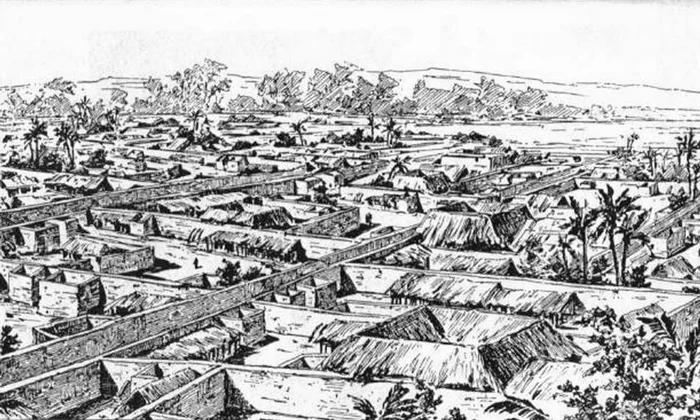

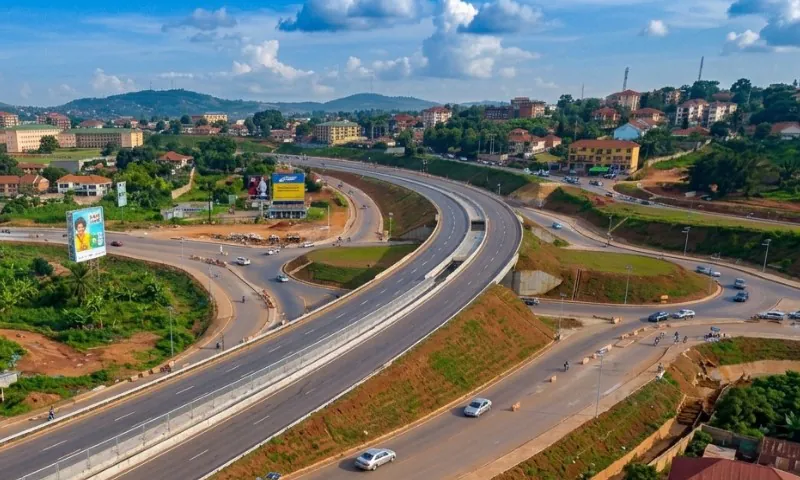
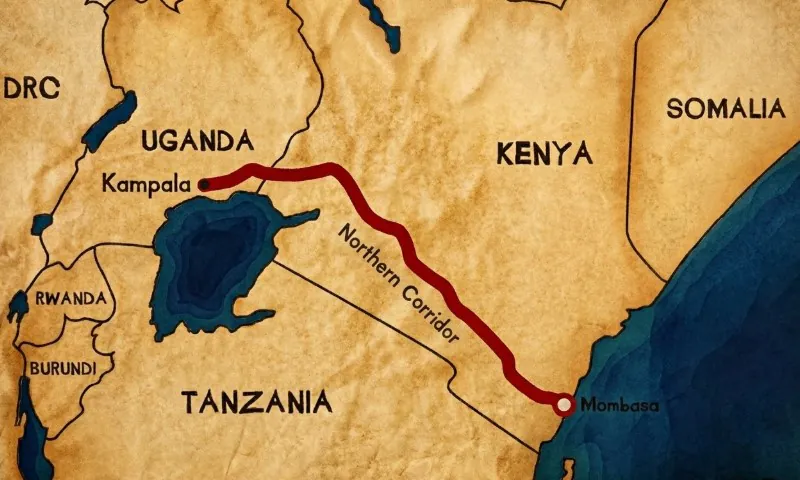
East African trade depends on the Northern Corridor, which links the Port of Mombasa with Uganda and the wider Great Lakes region.
Landlocked economies need this route to reach global markets.
Cost, speed, and reliability along the route affect import prices, export competitiveness, and supply chains in Kampala.
In March 2026, Presidents William Ruto and Yoweri Museveni launched key unfinished sections of the Kenya and Uganda rail link, renewing attention on the corridor’s future.
Why Mombasa Matters

Mombasa is Uganda’s main seaport for imports and exports. Uganda has no coastline, so access to Mombasa is essential for trade.
Cargo entering the port moves inland to Kampala and other markets through the Northern Corridor.
Any delay at the port can slow the movement of fuel, machinery, food products, construction materials, and consumer goods.
Port performance affects costs inside Uganda. Slow cargo clearance can increase storage charges, truck waiting times, and delivery delays.
Businesses in Kampala then face higher expenses, and many of those costs reach consumers through higher prices.
Faster cargo handling can reduce uncertainty, improve delivery schedules, and help firms plan stock more effectively.
Several figures show why Mombasa matters to inland trade:
- Around 30% of containers arriving at Mombasa are destined for Uganda, Rwanda, South Sudan, and the Democratic Republic of Congo.
- Uganda depends on Mombasa because its access to overseas markets requires a reliable route to the coast.
- A delay at Mombasa can affect several inland economies at once, not only Kenya.
Mombasa’s importance therefore reaches across East Africa. Port efficiency affects prices, supply chains, and trade competitiveness in landlocked markets.
For Uganda, the port is not simply a place where cargo arrives. It is the main link connecting Kampala businesses with global suppliers and buyers.
Politics and Financing
SGR extension plans are nine years behind the original 2017 completion target. Financing problems, political shifts, and institutional delays have slowed progress.
Earlier plans relied heavily on government-to-government loans, especially Chinese financing, but that approach became slow and contested.
Newer plans give more room to private-sector participation. Such participation could include logistics platforms, rail operators, and digital services connected to the wider freight marketplace model.
Private investment may help close funding gaps, but it raises questions about risk, pricing, and long-term sustainability.
Financing is central because rail projects require a large upfront investment.
Governments must pay for construction, stations, signaling systems, land access, and cross-border connections.
When funding is delayed, construction slows and project costs can rise. Political changes can also affect priorities, especially when new leaders review previous agreements.
Kenya, Uganda, and regional partners must keep political commitment steady for the corridor to work.
Cross-border rail requires coordinated budgets, shared rules, and long-term cooperation. Any policy shift in one country can slow progress across the route.
Private-sector participation may help move the project forward, but it must be managed carefully.
Investors need returns, while governments need affordable freight rates that attract users.
If rail prices are too high, businesses may continue using trucks. If prices are too low, operators may struggle to cover costs.
Road Transport and Its Problems
@nbstvug VIDEO: Ugandans continue to battle impassable roads despite heavy borrowing for infrastructure, and now the Ministry of Works wants UGX 8.074 trillion for 2026/27; a 37.7% increase. 🎥: Shamim Nabakooza #NBSUpdates
Uganda still depends on trucks for approximately 90% of its imports and exports moving through Mombasa.
Road freight gives shippers flexibility because trucks can collect and deliver cargo directly.
However, heavy dependence on trucks creates high costs, slower delivery times, and pressure on roads along the Northern Corridor.
Road freight faces many delays. Trucks can be slowed by traffic near Mombasa and Nairobi, weighbridge checks, border procedures, damaged road sections, and long queues near Malaba.
Delays are especially serious for goods that need predictable delivery, such as food products, fuel, medical supplies, and factory inputs.
Key cost and time figures show why road transport creates pressure:
- Moving a 40-foot container between Mombasa and Kampala by road costs about USD 3,500.
- Cargo usually takes four to seven days by road or mixed transport.
- Border congestion can extend that trip and make delivery schedules less reliable.
- Uganda relies on trucks for approximately 90% of imports and exports moving through Mombasa.
High road freight costs raise prices in Kampala because importers include transport expenses in final prices.
Exporters also face a disadvantage because expensive inland transport makes Ugandan goods less competitive.
For businesses, the problem is not only the cost itself. Unpredictable delivery times also make it harder to plan inventories, meet contracts, and avoid shortages.
Rail Promise
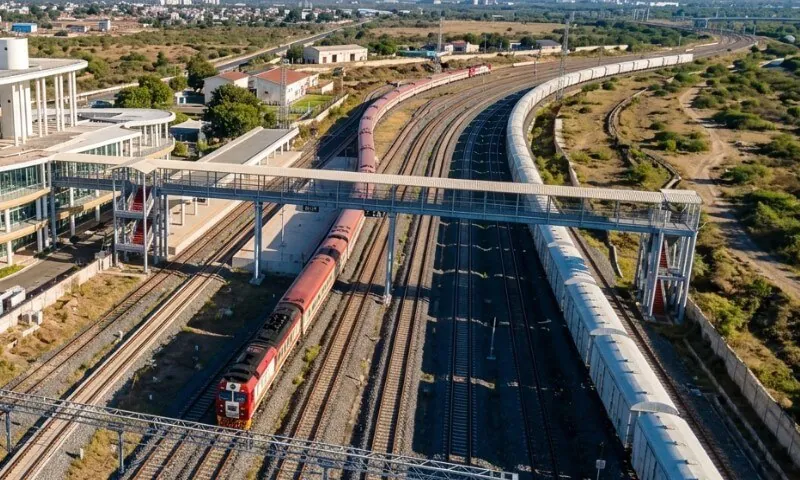
Standard Gauge Railway expansion aims to cut freight costs and transit times.
Kenya’s SGR already operates between Mombasa and Naivasha, while new work targets the link toward Malaba and Kampala. Uganda’s Malaba to Kampala section is about 272 kilometers.
Construction began in late 2024 and accelerated in 2026. Current timelines point to possible completion of the core Mombasa to Kampala rail corridor around 2028.
Rail could change cargo movement by carrying more freight at lower cost.
Trains can move large volumes in fewer trips than trucks, reducing road pressure and improving reliability.
For Uganda, faster rail service would make access to Mombasa more predictable and could reduce the cost of doing business.
Projected gains are large enough to change how cargo moves inland:
- Rail could reduce the cost of moving a 40-foot container to about USD 1,500.
- Road movement for the same container costs roughly USD 3,500.
- Cost savings could reach about 40% to 50%.
- Rail could cut freight transit to less than 24 hours.
- Current road or mixed transport usually takes four to seven days.
A faster and cheaper rail link would help importers plan inventory, reduce delays, and lower logistics costs.
Exporters would also benefit because predictable transport makes it easier to meet shipping schedules.
Manufacturing firms could receive inputs more reliably, while retailers could reduce the need for large emergency stocks.
Policy and Border Coordination
Kenya and Uganda need aligned customs systems, tariffs, rail standards, and border procedures. Faster trains will have limited value if cargo waits at border terminals.
Efficient rail service depends on smooth cargo clearance, compatible systems, and clear operating rules between both countries.
Border coordination is especially important at Malaba.
Cargo moving between Kenya and Uganda must pass through official checks, and delays there could weaken the value of faster rail transport.
Rail freight needs predictable schedules, so border agencies must process documents, inspections, and approvals quickly.
Several coordination issues still need practical answers:
- How trains will cross the Kenya and Uganda border
- How freight tariffs will be set
- How rail operators will share responsibilities
- How customs checks will be handled without creating new delays
- How will cargo be transferred between rail terminals and final delivery points
Weak coordination could shift delays off roads and into rail terminals. Efficient trade requires both rail capacity and faster institutions.
Without that alignment, businesses may continue using trucks even if rail becomes available.
Importers, exporters, and logistics companies need clear prices, reliable schedules, and predictable rules before shifting large volumes to rail.
A strong corridor requires infrastructure, but it also needs customs agencies, rail operators, port authorities, and border officials to work as one system.
Environmental Importance
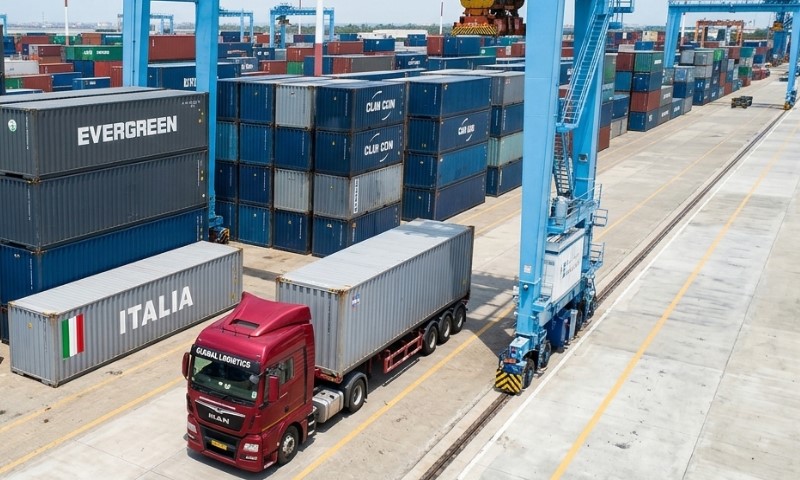
Rail could reduce congestion, road damage, and emissions along the Northern Corridor. Heavy truck traffic increases fuel use, road wear, and traffic delays.
Moving more containers by rail could lower the number of trucks on the road and reduce pressure on public infrastructure.
SGR trains could carry about 150 containers per trip, with six to eight trips per day. That capacity could remove roughly 900 to 1,200 trucks per day off the corridor road.
Fewer trucks would reduce congestion, road wear, fuel use, and greenhouse gas emissions.
Environmental data gives the issue added weight:
- Northern Corridor emissions are estimated at 1.72 MMtCO₂e.
- Central Corridor emissions are estimated at 1.24 MMtCO₂e.
- A 2021 TMEA study found that Northern Corridor greenhouse gas intensity had declined by 3% compared with the 2018 baseline.
Lower emissions would support cleaner regional trade, but environmental gains depend on actual rail use.
Companies will shift cargo only if rail offers clear advantages in cost, speed, reliability, and terminal access.
Green goals need practical incentives, such as fair tariffs, dependable schedules, efficient loading systems, and strong last-mile connections.
Rail can reduce environmental pressure, but it must fit business needs.
If cargo owners see rail as slow, expensive, or difficult to access, they will keep using trucks.
For that reason, cleaner transport along the Northern Corridor depends on both rail capacity and a service model that businesses trust.
Conclusion
East African trade relies on the Northern Corridor because it connects Mombasa with Uganda and other landlocked economies.
Uganda depends on trucks for approximately 90% of imports and exports moving through Mombasa. Road freight costs about USD 3,500 for a 40-foot container and usually takes four to seven days.
Rail could lower that cost to about USD 1,500 and cut transit to less than 24 hours.
SGR capacity could also remove roughly 900 to 1,200 trucks per day away the road route. Success depends on rail investment, customs coordination, reliable financing, fair tariffs, and practical incentives for businesses to shift cargo to rail.