

Crossing several West African countries on one trip can make the region easier to appreciate as a connected cultural space rather than a collection of isolated destinations.
Ethnic groups, languages, religious traditions, trade routes, and historical events often cross modern national borders, so visiting several neighboring countries can add context that a single-country itinerary may miss.
Visas, border procedures, road transport, language changes, currencies, health rules, and unpredictable schedules can turn an ambitious itinerary into a stressful one unless enough preparation happens before departure.
Careful planning matters most when deciding how many countries to include and how much time to leave between major transfers.
Check Visas and Border Rules Early
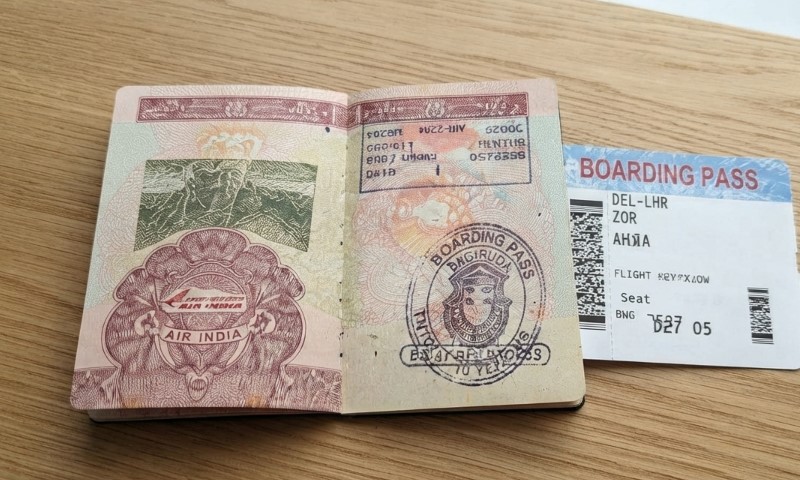
Immigration rules vary widely across West Africa, and passport nationality can completely change what paperwork is required.
Checking each country separately is essential, even when several destinations belong to ECOWAS.
Travelers who enjoy handling details such as visa requirements, entry rules, routing, and cross-border logistics may also see those planning skills as a professional opportunity.
Anyone interested in turning that experience into client trip planning can start a travel business with Yeti Travel and learn how travel advising works alongside access to training and booking resources.
Several current rules can make regional planning easier for African travelers:
- Ghana stopped charging visa fees to African passport holders visiting for tourism or business on May 25, 2026.
- Travelers who still need a Ghanaian visa must use the country’s electronic application system.
- Togo allows African nationals carrying valid passports to visit visa-free for up to 30 days.
- Togo still requires an online immigration form at least 24 hours before arrival.
- ECOWAS citizens already benefit from visa-free movement among member states.
Travelers carrying passports issued outside ECOWAS may face different visa rules, processing times, fees, and entry documentation.
Border procedures can also change with limited notice. Checking official immigration or embassy information shortly before departure is useful even when visas were arranged months earlier.
Choose Countries That Fit Together
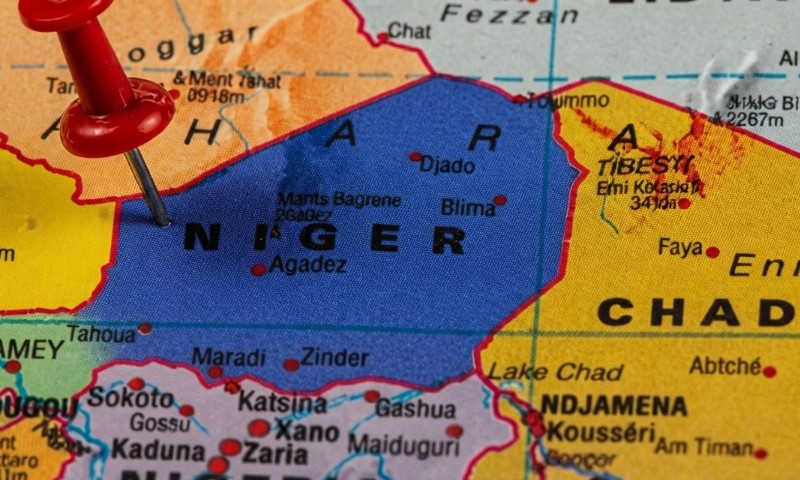
Neighboring countries usually make more sense than collecting destinations simply because they look interesting on a map.
Ghana, Togo, and Benin make a practical combination for travelers who want to move mainly by road. Accra, Lomé, and Cotonou sit along the Gulf of Guinea and can be linked in sequence without adding unnecessary regional flights.
Ghana recorded 1,288,804 international arrivals in 2024, a 12% increase compared with 2023, while international tourism receipts reached about $4.82 billion.
ECOWAS currently includes 12 member states after Burkina Faso, Mali, and Niger officially withdrew on January 29, 2025. Travelers relying on regional mobility rules should check that every country on their itinerary is still covered by the bloc before departure.
Destinations farther west, such as Abidjan or Dakar, often make more sense as air connections because road travel can consume several days.
A Ghana, Togo, and Benin route also packs several very different experiences into a relatively compact area:
- Cape Coast and Elmina connect visitors with the history of the Atlantic slave trade.
- Kumasi offers access to Ashanti history and cultural traditions.
- Ouidah is closely associated with Vodun practices.
- Ganvié is known for its settlement built over Lake Nokoué.
- Koutammakou in Togo is recognized by UNESCO for its earthen tower houses and Batammariba culture.
Koutammakou now extends across Togo and Benin as a 271,826-hectare UNESCO World Heritage property, making it a strong example of why cultural routes in West Africa do not always fit neatly inside modern national borders.
Plan Transport Realistically
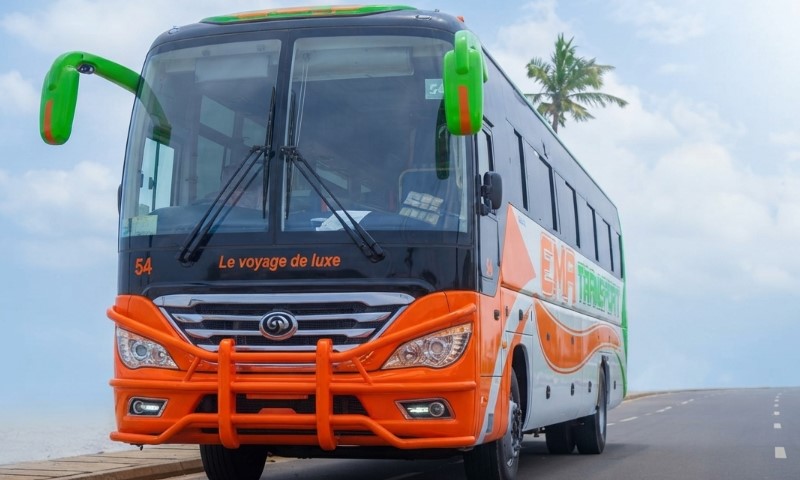
A route measuring only a few hundred miles may involve traffic, informal departure schedules, checkpoints, border queues, road conditions, luggage transfers, and long waits before a shared vehicle leaves.
Accra to Lomé and Lomé to Cotonou are among the more manageable cross-border road connections. Even on these routes, travelers should avoid planning around ideal driving times shown by navigation apps.
Older backpacking experiences show how dramatic delays can become on less predictable routes.
A roughly 140-kilometer trip between Nzérékoré in Guinea and Man in Côte d’Ivoire once required two days.
Shared bush taxis could also wait for hours before leaving because drivers often wanted every seat filled first.
Leave Room for Delays
Tight schedules create most of the avoidable stress on regional trips.
Border crossings, road transfers, domestic flights, and shared taxis all become more difficult when another important booking depends on an exact arrival time.
One documented backpacking experience involved purchasing a ticket at 7 a.m. and waiting until 1 p.m. before the vehicle finally had enough passengers to leave.
Several scheduling choices can reduce the damage caused by a late departure:
- Avoid booking an important flight shortly after an overland border crossing.
- Spend the final night near the airport when an international departure cannot be missed.
- Allow a full transfer day when moving between countries by shared road transport.
- Leave extra space around festival dates or other fixed-time activities.
Trying to fit Accra, Lomé, Cotonou, and another major city into only a few days can produce more time inside vehicles than at museums, markets, beaches, historic sites, or cultural venues.
Build each stop with enough flexibility to absorb one slow travel day.
Extra time can also make space for experiences that were not booked in advance, such as local festivals, market days, community visits, or recommendations received after arrival.
Prepare for Language and Money Changes

English is widely used in Ghana, while French becomes much more useful in Togo, Benin, Côte d’Ivoire, Senegal, and several nearby countries.
Basic French can make transport and daily logistics much easier. Travelers do not need advanced grammar, but practical phrases for prices, directions, meals, bus stations, border questions, and accommodation can prevent confusion.
Knowing numbers is especially helpful when negotiating taxi fares or purchasing tickets. Downloaded translation apps can provide backup when mobile data is unavailable.
Currency changes are easier on some routes than others. Togo, Benin, Côte d’Ivoire, and Senegal all use the West African CFA franc, so travelers passing through several of them do not need to exchange money after every crossing.
Ghana uses the cedi, which means a currency change is still necessary when entering or leaving the country.
Cash planning deserves its own backup system, particularly outside large cities:
- Carry enough local currency for transport, food, small hotels, and unexpected delays.
- Keep emergency cash separate from daily spending money.
- Travel with more than one bank card when possible.
- Avoid assuming every town will have a working ATM.
Payment options are changing quickly across much of the region. Electronic-money accounts across the West African Monetary Union reached 248 million in 2024, while merchant acceptance points more than doubled to over 3.7 million.
Mobile payments can therefore be common in places where card use is less dependable, although short-term visitors may not always have access to the same local payment accounts as residents.
Handle Health and Safety Before You Go

Health planning should cover every country on the itinerary. Requirements and recommendations can vary even among neighboring states.
Travel health guidance recommends yellow fever vaccination and malaria prevention measures for Ghana, Togo, and Benin. Vaccination certificates should stay easily accessible, especially on border days when officials may request them.
Malaria preparation deserves attention before departure because medication choices can depend on medical history, trip duration, and destination.
A travel health appointment several weeks before departure allows time to discuss suitable preventive medication and other recommended vaccines.
A compact medical kit is also useful on long road routes. Practical items can include:
- Oral rehydration salts
- Basic wound care supplies
- Insect repellent
- Sunscreen
- Pain relief
- Personal prescription medication
- Any preventive medicine recommended by a clinician
Safety research should focus on specific regions rather than treating an entire country as having one risk level.
Coastal cities such as Accra, Lomé, Cotonou, and Abidjan may have security conditions very different to northern border zones in the same countries.
Pack for Border and Transit Days
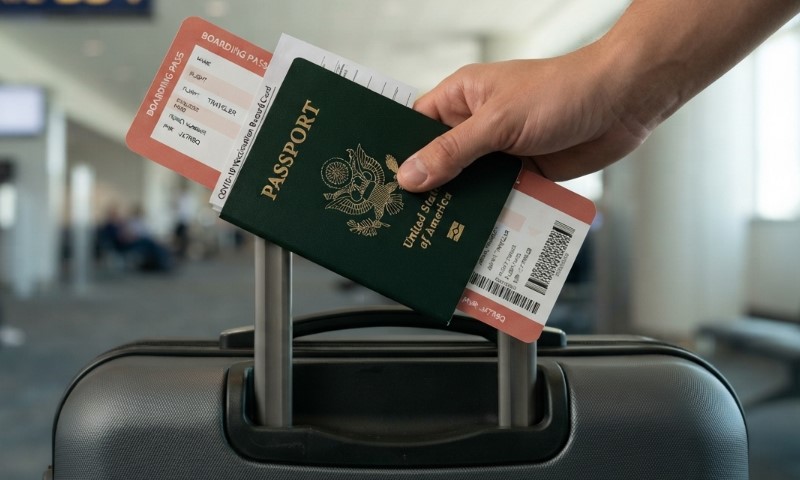
Border days require a different packing approach than ordinary sightseeing days.
Essential items should stay in a small bag kept with you instead of inside a suitcase stored under a bus or tied to a vehicle roof.
Items worth keeping within easy reach include:
- Passport, visas, and vaccination documents
- Local cash and a backup payment card
- Drinking water and snacks
- Prescription medication and basic medical supplies
- Phone, charging cable, and power bank
- Hand sanitizer and simple toiletries
- Accommodation addresses and contact numbers
- Offline maps and downloaded translation tools
Long waits are common enough that experienced overland travelers have recommended carrying reading material for hours spent waiting for transport to fill or border procedures to finish.
Phone preparation also matters. Save hotel numbers, driver contacts, emergency contacts, and border accommodation details before leaving Wi-Fi coverage.
Offline maps can be particularly helpful after crossing into a new country, since a mobile data plan may stop working immediately. Having the destination pinned in advance can also help when communicating with taxi drivers.
FAQs
Summary
Successful multi-country travel in West Africa depends less on covering as much ground as possible and more on building a route that works in practice.
Neighboring countries, realistic transfer times, early visa checks, backup cash, health preparation, and flexible scheduling can remove many of the problems that cause rushed regional trips.
Traveling at a slower pace also creates more time for markets, historical sites, food, festivals, conversations, and ordinary daily life.
Crossing several borders can add valuable context, but only when the schedule leaves enough space to experience each destination rather than racing toward the next passport stamp.